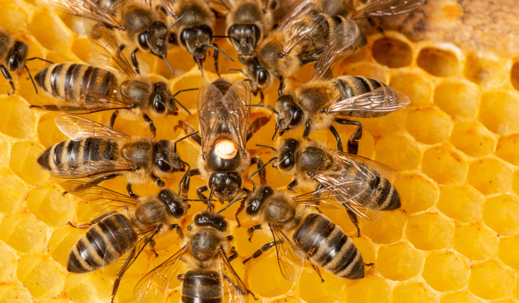
Do Queen Bees Sting? A South Florida Homeowner's Guide
Do Queen Bees Sting can cause costly problems when early signs are missed. Learn the signs, risks, and when to call Native Pest Management.
Key Takeaways
- Queen bees have stingers and are physically capable of stinging, but stings that people experience near their homes are typically delivered by worker bees rather than queens.
- When a bee sting occurs near your home, When a bee sting occurs near your home, it is typically from a worker bee, as workers are the bees you are most likely to encounter outside the hive.
- A bee hive on or near your property may pose a concern, and a professional assessment can help you determine the best course of action.
- If you notice bees entering or exiting an opening on your home's exterior, prompt attention can help prevent a colony from becoming established in wall voids or other sheltered spaces.
How to Identify Do Queen Bees Sting
Understanding whether a queen bee can sting starts with knowing what you are looking at. Many bee species play important roles in pollinating wildflowers and fruit crops, and honey bees provide honey and wax used in many products. Because bees and wasps are largely beneficial, according to Kansas State University Extension, proper identification helps you decide the right next step before disturbing a nest.
How to Tell do queen bees Types Apart
There are many different bumble bee species, and most bumble bees belong to the genus Bombus. Telling bee species apart matters because some species may be of conservation concern. As the University of Minnesota Extension recommends, photographing the insect and confirming it is not a rusty-patched bumble bee or another protected species is an important first step before taking action.
Wasps can look similar to bees but behave differently. Some wasp species are more aggressive and may fly several feet to sting someone near the nest site. Bees, by contrast, tend to be calmer unless their nest is directly disturbed.
How to Spot do queen bees Activity Inside Your Home
A common sign of bee activity indoors is a steady stream of bees flowing through a gap in siding or a soffit opening. If you see this pattern, the colony may already be established inside a wall void.
Where do queen bees Activity Shows Up Around Homes
Outdoors, nests can appear in a variety of spots. Most bee species are not aggressive unless you reach directly into the nest or accidentally step on it. If the area around a nest can be avoided, the colony may die off naturally in the fall. Some common species are only active until early August, with the rest ending activity in September.
Exterior Entry Points do queen bees Use
Bees typically enter through small gaps on the exterior of a home. Cracks along the roofline, openings near utility penetrations, and unsealed joints can all serve as access points. Once a colony moves in, honeycombs may build up inside wall voids over time.
If you notice steady bee traffic around an exterior opening, a professional review can help determine next steps. Once a colony moves in, the nest can grow quickly, which can make the problem harder to manage on your own.
Why Do Queen Bees Sting Problems Develop
Understanding where bees nest, what draws them to your property, and how colonies interact with your home helps explain why queen bee stinging risks arise in the first place. Social colonies have dedicated defenders, and proximity to a nest is the main factor that turns a no real threat buzzing insect into a genuine concern.
Outdoor Nesting Areas for do queen bees
Bumble bees are social insects that nest in the ground, according to the University of Georgia pest guide. These ground-level colonies can be easy to overlook in landscaped beds, along walkways, or near foundations. You may not realize a nest is there until activity picks up and defenders respond to foot traffic or lawn equipment passing overhead.
Social wasp colonies are also common near homes. These colonies are annual, meaning a nest is used only during the season it is built. A colony consists of an egg-laying queen and many sterile female workers that share responsibility for maintaining and protecting the nest.
Food and Shelter That Attract do queen bees
Each new bumble bee queen selects a nest site and starts a new colony. Sheltered ground cavities provide the kind of protected spot a queen looks for when founding her colony.
Social wasps build paper nests and can form populous colonies when the structure and surrounding area offer steady access to shelter. The closer a colony establishes to high-traffic areas around your home, the greater the chance of an encounter with nest defenders.
How do queen bees Move Around Homes
Social hymenopterans, including honey bees, bumble bees, and yellowjackets, have colony members whose task is to defend the nest. Only female bees and wasps can sting, as stingers are modified egg-laying structures that deliver venom used defensively when individuals or the colony is threatened.
Bumble bees can become aggressive when their nest is threatened, which means routine yard work or pet activity near a ground nest may trigger a defensive response you did not anticipate.
Trails and Entry Points do queen bees Use
Bees often enter homes through small gaps in exterior walls, soffits, or eaves. Once inside a wall void, a colony can grow undetected until you notice steady bee traffic at an outside opening. Identifying these access points early is important because a poorly handled nest situation carries real risk. As the University of Georgia pest guide warns, a mistake during nest treatment can result in hospitalization or death from excessive stings.
If you notice bees repeatedly using a specific spot on your home's exterior, professional assessment is safer than attempting removal on your own.
Risks From Do Queen Bees Sting
Health Risks Linked to do queen bees
The health risk from a queen bee sting depends largely on the species involved. Female digger bees only sting if they become trapped against the skin, and according to Kansas State University Extension, the sting is milder than a honey bee or wasp sting. Female carpenter bees possess a stinger but seldom use it unless handled or provoked. Because carpenter bees have no queen or nest to protect, they are not aggressive.
Ground-nesting bumble bee colonies can put you closer to bees during yard work or outdoor activities. Understanding which species you are dealing with helps you gauge the actual sting risk around your home.
Property Damage From do queen bees
When large numbers of digger bees are present, they may affect lawn appearance. Their nesting activity can create small mounds of soil across turf areas. While a few individual nests may go unnoticed, a concentration of nesting sites can become a cosmetic concern for homeowners who maintain their yards.
Bumble bee colonies typically do not return to the same location year after year, so property impacts from a single ground nest tend to be temporary. Still, a nest near a walkway, patio, or garden bed can disrupt how you use your outdoor space during the warmer months.
Food Areas and do queen bees Activity
When large numbers of bees are present near your home, they may interfere with outdoor activities. Dining areas, barbecue setups, and other gathering spaces can become less comfortable when bees are foraging nearby. Honey bees are a key pollinator, so their presence near flowering plants is expected, but proximity to high-traffic areas can create a nuisance.
When to Look Closer at do queen bees Activity
A single bee passing through your yard is rarely a concern. However, consistent bee traffic flowing in and out of one spot on your home may indicate a hive has formed inside a wall void or similar sheltered space. Repeated activity in one location warrants a closer look.
Honey bees face a range of challenges to colony health, and most bee researchers believe that Varroa mites and the viruses they transmit are the biggest single mortality factor for honey bees. A professional review helps you identify the species involved and determine the right approach, whether that means leaving beneficial pollinators alone or addressing a hive that poses a real nuisance.
Professional Pest Control for Do Queen Bees Sting
Whether you are dealing with queen bees, worker bees, or stinging wasps near your home, understanding when professional help is appropriate can keep you and your family safer. Some stinging insects can be managed with simple prevention steps, while others call for a trained technician who knows how to handle hives and nests without creating additional risk.
How to Reduce Attractants for do queen bees
Reducing conditions that draw bees and wasps to your property is a practical first step. Seal cracks along your foundation line and repair screen tears to limit entry points where bees may establish hives inside wall voids. Paint or stain exposed wood surfaces, as this may deter carpenter bees from burrowing into structures.
Plug any existing holes on the exterior of your home. If bees are actively using a single opening on a wall or eave, that gap may lead to an active hive inside the structure. Addressing openings early can reduce the likelihood of a colony settling in.
Why do queen bees Control Starts With Inspection
Identifying the species matters before any treatment begins. Native Pest Management starts with a free phone consultation to determine what type of stinging insect is present. Knowing the species helps the technician prepare the right approach for any hive activity around the home.
Proper identification is also important because some control products may be toxic to honey bees and other beneficial insects. According to UC IPM, systemic insecticides that target stinging pests are only available to licensed pest control professionals, so accurate identification helps ensure the correct product is applied responsibly.
What to Expect During Professional do queen bees Treatment
When a Native Pest Management technician arrives, they wear a bee suit for protection and apply product to the entry points of the hive. This approach typically addresses bee activity within three to five days. The technician then returns to seal the entry points with caulk.
Native Pest Management recommends that homeowners act quickly when bees appear near the home, since Africanized bees may be present and can pose a risk. Once the bees are gone, the company recommends hiring a contractor to open the wall void and remove any honeycombs left behind.
What to Expect From a do queen bees Control Plan
A thorough control plan goes beyond a single treatment visit. After the initial application and follow-up seal, your technician can advise on longer-term steps to keep stinging insects from returning to the same entry points.
If you are stung during any encounter with bees, remove the stinger as soon as possible to stop additional venom from entering your skin. Keeping a calm distance from active hives and leaving removal to a trained professional helps lower the chance of multiple stings while the situation is being resolved.
Bottom Line on Do Queen Bees Sting
Queen bees can sting, but the real concern for homeowners is the broader colony activity around your property. Whether you are dealing with honey bees, bumble bees, or stinging wasps, a nest near your home's exterior can pose a risk, especially if Africanized bees may be present. Attempting to handle a nest on your own can be dangerous. If you notice bees using an opening on your home, contact Native Pest Management for a free phone consultation so a technician can identify the pest and recommend the right approach.
Frequently Asked Questions
Can Only Female Bees Sting?
Yes. Only females possess stingers. Male bees and wasps lack this anatomy entirely. A queen bee is female and does have a stinger, though she reserves it primarily for rival queens inside the colony. Worker bees, which are also female, are the ones you are most likely to encounter near your home.
What Should I Do if I Find a Bee Nest on My House?
Do not attempt to remove or treat it yourself. Mishandling a nest can lead to a dangerous number of stings. Native Pest Management technicians wear protective bee suits and apply a targeted product to the hive's entry points. Activity typically stops within three to five days, after which the technician returns to seal the openings. A contractor can then remove any honeycombs from the wall void.
Are Bumble Bees Aggressive?
Bumble bees are ground-nesting social insects that can become aggressive when their nest is threatened. If you can avoid the area around the nest, it may be best to leave them alone and However, if the nest is in a high-traffic area of your yard, professional help can reduce the risk of stings.. However, if the nest is in a high-traffic area of your yard, professional help can reduce the risk of stings.
Why Should I Call a Professional Instead of Treating a Nest Myself?
Some stinging insects are more aggressive than others, and certain wasps may pursue anyone who walks near the nest site. Specialized control products are only available to licensed professionals and require careful application to protect beneficial insects. A trained technician can identify the species, determine the safest treatment path, and handle the job with proper protective equipment.