What West Palm Beach Homeowners Should Know About Queen Carpenter Bee
Queen Carpenter Bee can cause costly problems when early signs are missed. Learn the signs, risks, and when to call Native Pest Management.
Key Takeaways
- Carpenter bees are solitary insects, so there is no true queen carpenter bee the way honey bees or bumble bees have queens. Each female carpenter bee acts independently, boring into wood to create her own nest.
- Female carpenter bees can sting but seldom do so unless handled or provoked, while male carpenter bees lack a stinger entirely.
- Prevention steps include painting or staining exposed wood, sealing cracks along your foundation, and plugging existing holes. Fall is the ideal time for these measures since nests will be empty.
- If carpenter bees are already burrowing into wooden structures around your home, options range from DIY deterrents like citrus spray or almond oil to professional treatment for persistent activity.
How to Identify a Queen Carpenter Bee
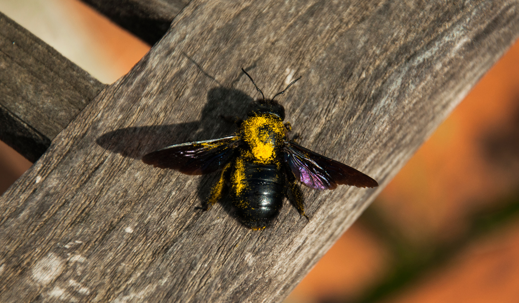
Carpenter bees belong to a group of solitary bee species. Unlike social bees such as honey bees and bumble bees, carpenter bees do not have a queen caste in the traditional sense. Each female carpenter bee selects and prepares her own nest. Understanding this distinction helps you recognize what you are actually seeing around your home.
How to Tell Queen Carpenter Bee Types Apart
Because carpenter bees are solitary, there is no true queen to distinguish from workers. Every female carpenter bee functions on her own. Social species like bumble bees and paper wasps operate differently. According to the University of Minnesota Extension, a single paper wasp queen or several queens may start a nest, with one becoming dominant and responsible for laying eggs while others maintain the nest. Carpenter bees skip this hierarchy entirely.
There are many bee species you might encounter, and telling them apart matters. Bees and wasps are largely beneficial insects, with many bee species playing important roles in pollinating wildflowers and fruit crops. Identifying the species at your home helps you decide how to respond.
How to Spot Queen Carpenter Bee Activity Inside Your Home
Since carpenter bees are solitary, they do not defend their nest the way social species do. According to Purdue Extension, solitary bees do not defend their nest or burrow the way honey bees, bumble bees, paper wasps, hornets, and yellowjackets do. You might see a single bee hovering near wood surfaces inside a garage, porch ceiling, or similar area.
Where Queen Carpenter Bee Activity Shows Up Around Homes
Female carpenter bees work alone to find suitable wood for nesting. You may notice individual bees returning to the same spot on exterior wood structures repeatedly. Unlike social bees that swarm when relocating, a single female working near wood is the typical sign of carpenter bee activity around your property.
Exterior Entry Points Queen Carpenter Bees Use
Bees emerging from a consistent spot on the exterior of a home is one of the most common signs homeowners report. Look for individual bees flying in and out of wood trim, fascia boards, or other exposed wood. Plugging holes and sealing cracks along your foundation line can help reduce access. Painting or staining wood may also deter carpenter bees, as untreated surfaces tend to attract them.
Fall is the ideal time to implement preventive measures since the nests will typically be empty. Using hardwood instead of soft wood and repairing screen tears are additional steps that can help keep carpenter bees from targeting your structures.
Why Queen Carpenter Bee Problems Develop
Homeowners sometimes confuse carpenter bees with bumble bees, which can create confusion about what kind of nesting activity is happening. According to Purdue Extension, carpenter bees are solitary and do not have a communal colony and a queen as bumble bees do. That solitary nature shapes where and how they nest around your property.
Outdoor Nesting Areas for Queen Carpenter Bees
Carpenter bees bore holes into wooden structures for their nests. Unlike bumble bees, which nest in the ground, carpenter bees seek out exposed wood on buildings, fences, and other outdoor structures. Each female carpenter bee creates her own nesting gallery, drilling into wood to lay her eggs.
Food and Shelter That Attract Queen Carpenter Bees
Available wooden surfaces are the primary draw for carpenter bees. They earn their name from their wood-boring behavior, as noted by Kansas State University Extension. While the bees themselves visit flowers for food, the females return to wooden structures to build and maintain their nests. Accessible, unfinished wood provides both shelter and a place to raise young.
How Queen Carpenter Bees Move Around Homes
Because carpenter bees have no colony to protect, they are not aggressive. Female carpenter bees possess a stinger but seldom use it unless handled or provoked. Males may hover and buzz near people, but this territorial behavior is no real threat since they lack a stinger. The large holes created by the females are often stained yellow or brown, which can help you spot active areas around your home.
Trails and Entry Points Queen Carpenter Bees Use
Carpenter bees typically return to wooden surfaces that already have existing holes or galleries. The entrance holes they create in wood are their primary entry points. Maintaining sealed wood surfaces and repairing screen tears can help limit access and discourage future boring activity.
Risks From Queen Carpenter Bees
When you spot a large bee hovering near the wooden trim or eaves of your home, your first concern is usually whether it can sting. Understanding the actual risks helps you decide how to respond without overreacting or ignoring something that deserves attention.
Health Risks Linked to Queen Carpenter Bees
Female carpenter bees can sting, but according to Mississippi State University Extension, they are not aggressive and do not sting unless forced to do so. A queen carpenter bee typically reserves her sting for situations where she is handled or feels trapped.
If a female does sting, the stinger can remain in the skin. According to Kansas State University Extension, you should remove it by scraping the skin from the side rather than squeezing, which may force more venom under the skin. This differs from yellow jackets, paper wasps, and bumble bees, which can sting more than once because they pull their stinger out without injuring themselves.
Property Damage From Queen Carpenter Bees
A queen carpenter bee bores into wood to create nesting galleries. Over time, repeated nesting in the same wooden structures can become a concern for homeowners. Painting or staining wood and plugging existing holes are steps that may deter these pests from targeting your home's wood surfaces.
Food Areas and Queen Carpenter Bee Activity
Remove this subsection or replace with a supported claim, e.g., 'Carpenter bees focus on wood surfaces where they can nest, rather than scavenging like some social wasps. Their focus stays on wood surfaces where they can nest, so the nuisance near kitchens or patios is generally minimal compared to other stinging pests.
When to Look Closer at Queen Carpenter Bee Activity
Some people feel threatened by the hovering and buzzing of carpenter bees near exterior entry points. As Mississippi State University Extension notes, males are no real threat despite their intimidating behavior. If you notice bees entering and exiting holes in wood, that is a sign a female has already established a nest and the activity is worth monitoring.
Fall is the ideal time to inspect for empty nests and take preventive steps such as sealing openings and treating wood with borate. Addressing these pests before a new female selects the same nesting site the following season helps protect your wooden structures over time.
Professional Pest Control for Queen Carpenter Bees
Knowing how to tell a queen carpenter bee apart from other bees is the first step toward protecting your home. Female carpenter bees have solid black faces, while males have a distinct white spot in the middle of the face. Recognizing which bee you are dealing with helps you decide the right course of action.
How to Reduce Attractants for Queen Carpenter Bees
Prevention is your strongest tool against queen carpenter bees. According to Mississippi State University Extension, painted or sealed wood is seldom attacked by carpenter bees, making it the best long-term method of prevention. If you have bare or weathered wood on your property, consider painting or staining it to deter these bees.
Plugging existing holes, repairing screen tears, and sealing foundation cracks can further reduce potential entry points.
Why Queen Carpenter Bee Control Starts With Inspection
Before any treatment begins, an inspection matters. Native Pest Management identifies the pest via a free phone consultation. Often, the issue involves bees emerging from a specific spot on the home's exterior. Understanding whether the bee is a female or male helps guide next steps, since their behavior and facial markings differ.
During the consultation, the team can also help you determine whether the bees may be Africanized, which Native Pest Management recommends addressing the situation as soon as possible.
What to Expect During Professional Queen Carpenter Bee Treatment
When Native Pest Management sends a technician to your home, the technician arrives wearing a bee suit for protection and applies a product to the entry points of the hive. This approach targets where the bees enter and exit. Activity typically ceases within 3 to 5 days, at which time the technician returns and seals up the entry points with caulk.
If necessary, a follow-up application may occur in 7 to 10 days to address young bees emerging from pupae. After hive activity has ceased, Native Pest Management recommends opening the walls and removing all dead bees, wax, and honey. Native Pest Management recommends hiring a handyman or carpenter to handle that removal step.
What to Expect From a Queen Carpenter Bee Control Plan
A complete queen carpenter bee control plan pairs treatment with ongoing prevention. After all entry points are sealed and any remaining hive material is removed, keeping your wood surfaces painted or sealed helps discourage future activity. This two-step approach addresses both the current issue and reduces the chance of a return visit from these bees.
If you notice new holes or bee activity after treatment, a reapplication within 7 to 10 days can address bees that may have emerged after the initial service. Staying attentive to bare or aging wood around your home is the most direct way to keep carpenter bees from returning.
If you already see round bore holes in wooden trim or fascia boards, contact Native Pest Management for a free phone consultation to discuss next steps.
Frequently Asked Questions
Do Female Carpenter Bees Actually Sting?
Female carpenter bees can sting, but they rarely do so unless physically handled or provoked. Males lack a stinger entirely and cannot sting despite their hovering behavior.
How Can I Tell a Carpenter Bee Apart From a Bumble Bee?
Carpenter bees are solitary and bore into wood for their nests, while bumble bees are social insects that nest in the ground. Observing where the bee goes after it leaves you is one of the simplest ways to tell the two apart. A bee disappearing into a round hole in wood is likely a carpenter bee.
What Is the Best Way to Prevent Carpenter Bees?
Painted or sealed wood is seldom attacked, making surface treatment the best long-term prevention method. You can also plug existing holes, seal cracks along your foundation, and repair torn screens. Fall is the ideal time to take these steps since nests will typically be empty. Natural deterrents such as citrus spray or almond oil may also help repel carpenter bees from wood surfaces.
When Are Carpenter Bees Most Active?
Carpenter bees produce one generation per year. Activity tends to pick up when new adults emerge and begin searching for nesting sites. If you notice fresh sawdust or round entry holes in wooden structures around your home, that is a good time to reach out for professional help before additional tunnels are created.