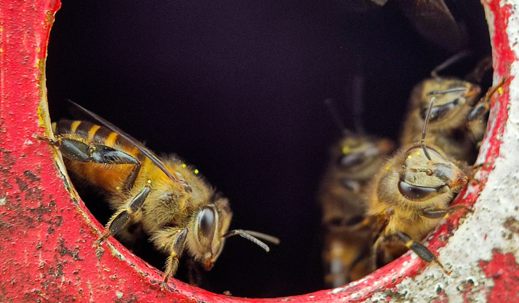
How to Bee-proof Outdoor Trash Cans in Doral
Outdoor trash cans can become a regular stop for stinging insects when food scraps, sugary residue, and uncovered waste remain easy to reach. If you notice striped insects hovering around your bins in Doral, start with a practical question: are they bees, or are they wasps?
The distinction matters. Many insects homeowners describe as “bees” around garbage cans are actually social wasps, including yellowjackets and paper wasps. These insects may forage around food waste and drink containers, especially when a lid does not close properly, or residue builds up along the rim.
You cannot make an outdoor waste area completely insect-proof. However, a few routine changes can make your trash cans less attractive and reduce the chance of stings near walkways, patios, and exterior doors.
Key Takeaways
- Many striped insects around trash cans are wasps rather than bees. Yellowjackets, hornets, and paper wasps may forage near garbage cans and outdoor food areas.
- Use outdoor trash cans with intact, tight-fitting lids. Replace damaged or warped containers that leave gaps around the rim.
- Place food scraps inside securely tied bags before moving them to the outdoor bin.
- Clean spills, sticky residue, and food debris from the inside and outside of the container.
- Keep trash cans away from frequently used doors, patios, outdoor dining areas, and children’s play spaces when possible.
- Request an inspection when insects repeatedly travel toward a wall gap, shrub, roofline, or ground opening near the bins.
Why Do Bees and Wasps Gather Around Outdoor Trash Cans?
Garbage containers can hold several attractants in one place. Fruit scraps, drink containers, food packaging, grill waste, and other discarded items may leave sugary or food-based residue behind. Even after collection day, a thin layer of residue around the lid or inside the bin can continue drawing insects.
The EPA’s household pest-prevention guidance recommends placing garbage with food scraps in tightly covered trash cans and removing waste regularly. These simple habits reduce the food sources that allow pest activity to continue around your home.
Trash cans can attract flies, ants, and other pests as well as stinging insects. However, recurring wasp activity creates an additional concern because people may reach for the lid or walk past the container without noticing the insects nearby.
Sugary Residue Attracts Foraging Wasps
Discarded soda cans, juice containers, fruit scraps, and food packaging can leave a sweet residue inside the bin. Wasps may return to the same location when they find a reliable source of food.
Pay attention to sticky liquid around the lid, handles, wheels, and base of the container. A closed lid helps, but exterior residue can still keep insects active around the waste area.
Food Scraps Create an Ongoing Attractant
Unbagged food waste gives insects easier access to the contents of the can. Place food scraps inside a securely tied bag before taking them outside. This reduces direct contact with the waste and makes cleanup easier if a bag leaks.
Avoid overfilling the container. A lid that cannot close completely leaves an easy opening for wasps, flies, and other pests.
Trash Cans Near Outdoor Living Areas Increase Contact
A bin beside a patio door may be convenient, but the location can bring foraging insects closer to the spaces your household uses most. When possible, store outdoor trash cans away from entrances, seating areas, grills, and play spaces while keeping them accessible for collection.
The goal is not to hide the container in an overgrown corner. Choose a visible, easy-to-clean location where you can notice spills, inspect the lid, and monitor activity safely.
Are the Insects Bees or Wasps?
Not every striped insect around your trash cans is the same. Identification helps you decide whether routine prevention is enough or whether a nearby nest may require professional attention.
The UF/IFAS guide to common stinging insects notes that social wasps, including yellowjackets, hornets, and paper wasps, can become a nuisance while foraging near garbage cans or building nests close to human activity.
Yellowjackets
Yellowjackets are compact social wasps with distinct yellow-and-black markings. They may forage around food waste, drink containers, outdoor meals, and trash cans. They can also defend a nest when someone approaches too closely.
A few insects visiting an open bin may be searching for food. Repeated traffic toward a ground opening, wall gap, or sheltered area can point to a nearby colony and deserves a closer look from a safe distance.
Paper Wasps
Paper wasps have slimmer bodies and longer legs than yellowjackets. They build open, umbrella-shaped nests beneath eaves, porch ceilings, railings, and other sheltered surfaces.
Paper wasps may pass through a waste area while foraging. However, a nest attached to a nearby fence, shed, or roofline creates a different issue because regular trash disposal may bring you too close to the colony.
Hornets
Hornets belong to the broader wasp family. Baldfaced hornets, which are black and white, build enclosed paper nests in trees, shrubs, and sometimes on structures. The Florida yellowjacket and hornet profile explains that baldfaced hornets are closely related to yellowjackets.
An enclosed nest near the route you use to take out the trash requires caution. Do not disturb branches, trim nearby vegetation, or attempt to knock the nest down.
Honey Bees and Other Pollinators
Bees and wasps do not play the same role in the environment. Bees are important pollinators, while many wasps hunt or scavenge. This guide to the differences between bees and wasps can help you describe the insects more accurately before requesting service.
If you see a steady stream of bees entering a wall gap, roofline, tree cavity, or other fixed location, avoid disturbing the area. That pattern may require professional identification rather than routine bin cleaning.
How to Reduce Stinging-Insect Activity Around Your Trash Cans
Step 1: Use a Trash Can With an Intact Lid
Check whether the lid closes fully after every use. A warped lid, cracked rim, or damaged hinge can leave enough space for insects to reach the contents.
Replace a damaged container rather than trying to manage recurring activity around an unreliable lid. The EPA’s pest-control recommendations for outdoor waste areas emphasize tight-fitting lids and self-closing receptacles as practical ways to keep insects and rodents out.
Step 2: Tie Food-Waste Bags Securely
Place food scraps, fruit waste, and other kitchen garbage inside a securely tied bag before moving them outdoors. Do not toss loose food directly into the can.
Use a second bag when the first one leaks or contains wet food waste. This small step helps prevent residue from collecting along the bottom of the container.
Step 3: Clean the Lid, Rim, and Handles
Focus on the areas you touch most often. Wipe sticky residue from the lid, rim, handles, and exterior sides of the can. Check the ground beneath the container for spills and fallen scraps.
Cleaning only the inside may not solve the problem when sugary liquid has dripped down the exterior or collected near the base.
Step 4: Rinse the Bin When Residue Builds Up
Inspect the inside of the trash can after collection day. If you notice liquid, food debris, or odor, clean the container before adding new waste.
Let the bin dry before closing the lid. A routine check after pickup can prevent residue from building up over several weeks.
Step 5: Keep the Container Closed
Close the lid immediately after placing trash inside. Do not leave the container open while cleaning a patio, grilling, or gathering several bags from around the home.
Make sure children and visitors also know to close the lid. A reliable routine works better than correcting the problem after insects begin returning to the area.
Step 6: Avoid Overfilling the Trash Can
Do not stack bags above the rim or force the lid closed over bulky waste. An overfilled container can expose food scraps and create gaps around the top.
If household waste regularly exceeds the available space, adjust your disposal routine or review your local collection options.
Step 7: Store Bins Away From Doors and Patios
Place the cans away from the routes people use most often. Avoid storing them directly beside a kitchen door, outdoor dining table, grill, or play area.
Choose a location with enough clear space around the container for cleaning and visual inspection. Do not place bins inside dense shrubs or overgrown vegetation where nesting activity may be harder to notice.
Step 8: Clean Up Outdoor Food and Drinks
Trash-can prevention works best when the surrounding area stays clean. Remove drink cans, cups, food packaging, and leftover snacks after outdoor meals.
Do not leave pet food outdoors overnight. Clean grills and outdoor tables after use, especially when the area sits close to your trash-storage location.
Step 9: Inspect Recycling Containers
Recycling bins can also hold sugary residue from drink containers and food packaging. Check your local recycling guidance before rinsing items, then keep the bin closed when possible.
Pay attention to soda cans, juice bottles, and other containers that may retain small amounts of liquid.
What Not to Do Around Bees and Wasps
Do Not Swat at Flying Insects
Stay calm when one or two insects move around the container. Avoid swatting, striking the lid, or making sudden movements near a concentrated area of activity.
If several insects gather around the can, step away and give them space. Return later or request professional support when the activity makes normal trash disposal difficult.
Do Not Spray an Unidentified Nest
A visible insect does not tell you where the nest is or which species you are dealing with. Do not spray a wall opening, ground cavity, shrub, or roofline without understanding the source of the activity.
Disturbing a social-wasp nest can increase the risk of stings. Keep people and pets away from the area until the nest has been assessed.
Do Not Seal an Active Entry Point
If insects repeatedly enter and exit the same wall gap, soffit opening, or exterior cavity, do not close the hole immediately. Sealing an active opening before the insects have been identified may create a more complicated problem inside the structure.
Do Not Assume Every Bee Needs Removal
A single bee visiting a flower or passing through your yard does not indicate an infestation. Focus on recurring activity near the trash can, repeated insect movement toward a fixed location, and nests close to areas your household uses regularly.
How to Tell Whether a Nest Is Nearby
Cleaning and securing the trash cans should reduce ordinary foraging activity. If insects continue gathering after the waste area is clean, inspect the surroundings from a safe distance.
Watch for Repeated Flight Paths
A few insects moving randomly around the yard may be foraging. Repeated movement toward one fixed point is more significant.
Look for insects entering or leaving:
- A gap beneath an eave or roofline
- An opening in a wall, fence, or shed
- A hole in the ground near the bins
- A tree cavity or dense shrub
- An exposed nest beneath outdoor furniture or a covered patio
Keep Your Distance
Do not approach a nest to take a close-up photo. Use the location and visible activity to describe the issue when requesting an inspection.
A nest near the path you use for trash disposal, a side entrance, or an outdoor seating area deserves faster attention because routine activity can bring people too close to the colony.
Health Risks From Bee and Wasp Stings
Most stings cause localized pain, redness, itching, or swelling. However, some people experience a severe allergic reaction that requires emergency medical care.
The medical guidance for insect bites and stings advises calling 911 or the local emergency number when symptoms include difficulty breathing, wheezing, facial or mouth swelling, throat tightness, difficulty swallowing, or weakness.
Keep children and pets away from concentrated stinging-insect activity. Take added care when someone in your household has a known sensitivity to insect stings.
When to Request Professional Pest-Control Support
Routine sanitation can make outdoor waste areas less attractive to stinging insects. However, cleaning the bins will not solve a nearby nest problem.
Consider requesting an inspection when:
- Several insects gather around the trash cans each day.
- Activity continues after you clean the bins and secure the lids.
- Insects repeatedly travel toward a wall gap, shrub, roofline, or ground opening.
- A visible nest sits near a doorway, patio, walkway, or play area.
- Normal trash disposal brings you too close to concentrated activity.
- You cannot identify whether the insects are bees, wasps, or another pest.
Native Pest Management provides residential pest-control services in Doral. A professional inspection can help identify the insects, determine whether a nest is present, and recommend the appropriate next step for your property.
Keep Trash Cans Closed, Clean, and Away From Entrances
Reducing bee and wasp activity around your outdoor trash cans starts with the basics: use an intact lid, tie food-waste bags securely, clean spills, avoid overfilling the container, and store the cans away from heavily used doors and patios.
Pay attention to the pattern of activity. A few insects foraging near an open bin call for better sanitation. A steady flight path toward a wall gap, shrub, roofline, or ground opening may point to a nearby nest.
If stinging insects continue returning after you clean and secure the waste area, request a free quote from Native Pest Management to discuss the activity around your Doral home.
Frequently Asked Questions
Why Are Bees Gathering Around My Outdoor Trash Cans?
Sugary residue, fruit scraps, food packaging, and drink containers can attract flying insects. Many striped insects around garbage cans are social wasps rather than bees. Start by closing the lid, cleaning spills, and placing food waste inside securely tied bags.
How Do I Keep Wasps Away From My Trash Cans?
Use a trash can with a tight-fitting lid, avoid overfilling it, clean residue from the rim and exterior, and store the container away from frequently used doors and patios. Remove outdoor food and drink containers promptly after meals.
Do I Need to Wash My Outdoor Trash Can?
Clean the container when you notice food debris, sticky residue, liquid, or odor. Check the inside after collection day and wipe the lid, rim, handles, exterior sides, and ground beneath the bin.
Should I Spray Bees or Wasps Around My Trash Can?
Do not spray an unidentified nest or concentrated group of insects. Disturbing a nearby colony can increase the risk of stings. Clean the waste area first and request an inspection if activity continues.
How Can I Tell if There Is a Nest Near My Trash Cans?
Watch for insects repeatedly traveling toward the same wall gap, roofline, shrub, tree cavity, or ground opening. A consistent flight path is more significant than a few insects moving randomly around the yard.
When Should I Call a Pest-Control Professional?
Request support when several insects return daily, a nest sits near a high-traffic area, cleaning does not reduce activity, or you cannot identify the pest safely from a distance.