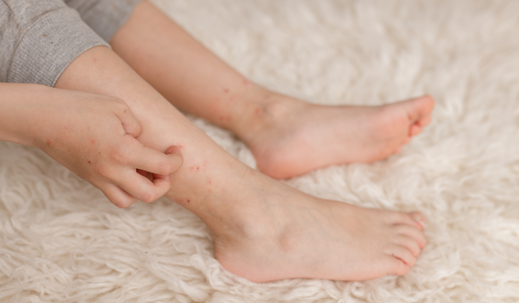
Chigger Bites vs Flea Bites Pictures: What South Florida Homeowners Should Know
Failing to recognize the early indicators of chiggers or fleas can result in expensive complications. Discover the symptoms and risks associated with these pests, and find out when professional intervention from Native Pest Management is necessary.
Key Takeaways
- Chigger bites and flea bites can look similar on the skin, so comparing pictures side by side helps you identify which pest may be involved.
- Bite location on the body, the pattern of marks, and how itching develops over time are practical clues that photos alone may not fully capture.
- Some people may experience an allergic reaction to either type of bite, making accurate identification important for choosing the right response.
- When bites are hard to tell apart, consulting a doctor can help rule out other causes and guide appropriate care.
How to Identify Chigger Bites and Flea Bites Pictures
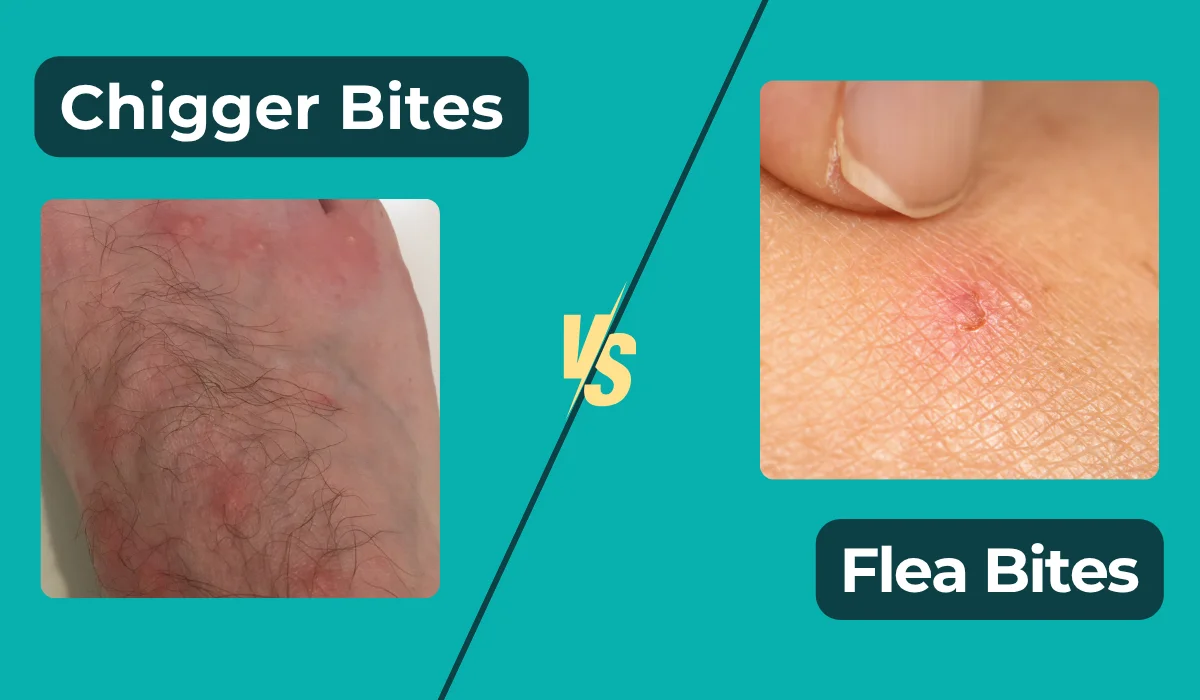
When comparing chigger bites vs flea bites pictures, the location of the bites on your body is one of the most practical ways to tell them apart. Chigger bites tend to cluster where clothing fits tightly against skin, such as the waistline or sock line. According to Purdue Extension, flea bites occur most often near the ankles and lower legs because fleas jump onto hosts from ground level.
How to Tell Chigger Bites and Flea BitesTypes Apart
Bite placement is the most reliable visual clue when reviewing chigger bites vs flea bites pictures side by side. Flea bites typically appear as small red bumps concentrated on your lower legs and ankles. Fleas are well known for their ability to jump, sometimes covering 8 to 10 inches, which explains why bites group around your feet and calves.
Chigger bites, by contrast, tend to appear higher on the body where elastic bands or seams press against skin. Appearance alone may not always confirm the source, so noting where the bites are located helps narrow down the culprit.
How to Spot Chigger Bites and Flea Bites Activity Inside Your Home
Fleas are more commonly associated with indoor activity. As Oregon State University Solve Pest Problems notes, adult fleas bite and feed on the blood of their hosts, including dogs, cats, and other pets. Fleas may also bite people, particularly if no other host is present. If you notice bites appearing after spending time indoors near pet resting areas, fleas are a likely source.
Chiggers are outdoor pests and rarely establish themselves inside a home. If bites appear after indoor activity and are focused on your lower legs, flea activity is the more probable explanation.
Where Chigger Bites and Flea Bites Activity Shows Up Around Homes
Chiggers are typically found in grassy, overgrown, or wooded outdoor areas. Bites usually develop after spending time in yards or natural spaces. Flea activity, however, can occur both indoors and outdoors. Pets moving between the yard and your home may carry fleas inside, spreading the problem across living spaces.
Exterior Entry Points
Fleas often enter your home on pets that spend time outdoors. Because fleas jump onto passing hosts, any doorway or access point your pet uses can serve as an entry route. Chiggers do not typically move indoors, so bites from chiggers are generally linked to time spent outside rather than to entry points on the home itself.
Paying attention to where and when bites appear on your body is the most practical first step toward identifying the source and deciding on next steps.
Why Chigger Bites and Flea Bites Problems Develop
When you compare chigger bites vs flea bites pictures online, the marks can look surprisingly similar. According to Kansas State University Extension, distinguishing bites from fleas, mosquitoes, or spiders is difficult, and the actual pest needs to be found to confirm the cause. That overlap is exactly why bite-comparison photos alone rarely give you a clear answer.
Understanding where each pest lives and how it reaches you is more practical than relying on pictures. The sections below cover the habitat and movement patterns behind both types of bites.
Outdoor Nesting Areas Adult fleas build populations wherever hosts rest or travel regularly. Bite discomfort varies from one individual to another, with reactions ranging from minor pain and itching to swelling, headaches, nausea, and fever. Without locating the pest itself, you may not know which bite source is present in your yard.
Food and Shelter
Fleas depend on blood meals from hosts. Dust mites, by contrast, feed on human and pet dander and do not bite, though high populations can contribute to allergies. Knowing whether the issue involves a biting pest or a non-biting one helps you focus your response. Reducing humidity, cleaning air filters, and using HEPA-filtered vacuums can address dust mite concerns specifically.
How Bugs Move Around Homes
Bed bugs feed on human blood and usually bite when people are sleeping. In most people, bites cause red welts and itching lasting several days. Some people have no reaction at all and may not be aware of an infestation. Because multiple pests produce similar-looking marks, a bite photo comparison can point you in the wrong direction without a confirmed sighting of the pest.
Trails and Entry Points
Spider bites can also create confusion when comparing bite photos. Symptoms may range from itching and rash to fever and nausea, and venomous spider bites can be more severe. Scratching any type of bite can lead to secondary skin infections, so confirming the actual pest matters more than matching a photo. Identification lets you address the right entry points and activity areas around your home.
Risks From Chigger Bites and Flea Bites
Bite appearance alone does not tell the whole story. Each bite type carries its own set of risks, and knowing those differences matters for choosing the right response. Chigger bites are generally a nuisance, while flea bites bring additional concerns for both you and your pets.
Health Risks
Flea bites are itchy and irritating, and some people and pets suffer from flea-bite allergic reactions. Allergic responses can intensify itching and lead to prolonged discomfort. Scratching any insect bite too aggressively can break the skin and open the door to secondary bacterial infections.
Historically, fleas transmitted the bacteria responsible for bubonic plague and also spread tapeworm to humans. According to Purdue Extension, both of these risks have largely been eradicated, especially in the developed world, and are of minimal concern today. Still, flea-bite allergic reactions remain a real risk for sensitive individuals and pets.
Chigger bites cause intense itching but are not associated with disease transmission. The primary risk is irritation and the potential for infection from scratching. As the University of Minnesota Extension notes, most people overdiagnose bite sources based on symptoms such as redness, swelling, or pain, which are usually caused by other factors, including bacterial skin infections.
Property Damage
Neither chiggers nor fleas cause structural damage to your home. The risk with fleas is that they can establish themselves indoors, especially in carpeting and pet bedding, making the nuisance ongoing rather than a one-time encounter. Chiggers typically stay outdoors in vegetation and do not infest indoor spaces.
Food Areas and Activity
Fleas and chiggers are not drawn to food preparation areas. Fleas follow hosts, so their activity centers on areas where people and pets rest or sleep. Chiggers remain in outdoor vegetation. Neither pest poses a direct risk to stored food or kitchen surfaces.
When a Closer Inspection Is Needed
If you notice recurring bites indoors, fleas are more likely than chiggers. Persistent itching, visible bite clusters on ankles or lower legs, and allergic reactions in household pets all point toward a flea problem that warrants closer inspection. Comparing photos is a helpful starting point, but confirming the pest itself is the most reliable way to understand your risk and plan next steps.
Professional Pest Control for Chigger Bites Vs Flea Bites
Bite appearance alone rarely tells the full story. Chigger welts, flea bites, and bed bug marks can all produce small, itchy welts that overlap in appearance. A thorough inspection of your home and yard is the most reliable way to confirm the source and guide the right treatment plan.
How to Reduce Attractants
Preventing bites starts before any treatment takes place. According to Purdue Extension, insect repellents containing DEET or permethrin can prevent chigger bites. Apply the repellent to clothing around the ankles, waist, and arms before spending time outdoors.
After time spent in areas where chiggers may be present, bathing in hot, soapy water as soon as possible can reduce the number of bites. Once welts appear, there is little that can be done beyond physician-prescribed local anesthetics to lessen irritation and itching.
For fleas, reducing conditions that support an infestation inside the home is key. Consistent cleaning and attention to areas where pets rest can help limit flea activity before it grows.
Why Control Starts With Inspection
Bed bug bites, for example, may be the first sign of an infestation. They usually appear as small welts similar to mosquito bites and do not cause immediate itching or pain, which can delay detection.
Other skin conditions, such as those caused by the scabies mite, also produce persistent itching. Scabies requires medical diagnosis and prescription treatment, making it important to rule out before pursuing pest control. A professional inspection helps confirm whether chiggers, fleas, bed bugs, or another source is responsible.
What to Expect During Professional Treatment
A pest control professional will identify the pest species involved and recommend a treatment approach tailored to that pest. Chigger management typically focuses on outdoor conditions, while flea treatment often addresses both indoor and outdoor areas to disrupt an infestation at multiple stages.
Allergic reactions to pest treatment products are very rare, but you should seek emergency medical help if a treatment causes hives, difficult breathing, or swelling of the face, lips, tongue, or throat. Your service professional can walk you through what to expect before any application begins.
What to Expect From a Control Plan
A control plan begins with accurate identification and moves into targeted treatment and ongoing prevention. For chigger concerns, repellent use and prompt bathing after outdoor exposure remain central to reducing future bites.
Flea infestations may require more than one visit because fleas develop through multiple life stages. Your service professional will outline a plan that addresses the current infestation and helps reduce conditions that could support a return.
Native Pest Management serves homeowners across South Florida and Tallahassee. Our service professionals can inspect your property, confirm the pest behind the bites, and build a plan that fits your situation.
Bottom Line on Chigger Bites Vs Flea Bites
Comparing chigger bites vs flea bites pictures is a useful starting point, but appearance alone is not always enough to confirm the source. Chigger bites tend to cluster where clothing fits snugly, while flea bites often appear on the lower legs and ankles. Both can cause itching and discomfort, so identifying the right pest matters for choosing the right response. If you are dealing with fleas or other pests in or around your South Florida home, contact Native Pest Management for a free inspection.
Frequently Asked Questions
Can You Tell Chigger Bites and Flea Bites Apart Just From Photos?
Photos can offer clues, but bite appearance varies from person to person. Some people react more strongly than others, which can change how a bite looks. Bite location and recent outdoor activity are often more helpful than photos alone when narrowing down the cause.
Where on the Body Do These Bites Usually Show Up?
Chigger bites commonly appear around the waist, ankles, and other spots where clothing presses against the skin. Flea bites tend to concentrate on the lower legs and feet, especially after walking through areas where newly emerged adult fleas are present.
Do Both Bites Cause the Same Level of Itching?
Both chigger and flea bites can cause noticeable itching. Individual reactions vary. Some people experience mild irritation, while others may have a more persistent response. If itching is severe or unusual, consulting a physician is a good step.
What Should You Do if You Suspect Fleas in Your Home?
Start by checking pets and common resting areas for signs of flea activity. Fleas can bite people as well as pets, and addressing the source is important for reducing ongoing bites. A pest control professional can help identify the problem and recommend an appropriate plan for your home.