Dealing With Fleas and Ticks in Palm Beach County Homes
Missing the initial indicators of a flea or tick infestation can result in expensive complications. Discover the warning signs, the importance of early detection, and the right time to reach out to Native Pest Management.
Key Takeaways
- Fleas and ticks can affect both people and pets, and knowing how to identify each pest helps you respond quickly.
- Both pests carry health risks worth understanding, from itchy bites to tick-borne diseases that may require medical attention.
- A long-term control plan that includes regular pet inspections and working with your veterinarian can help prevent fleas and ticks from gaining a foothold in your home.
- Professional pest control can support your prevention efforts when infestations develop beyond routine maintenance.
How to Identify Fleas And Ticks
Knowing what fleas and ticks look like and where they tend to show up helps you catch activity early. Both pests behave differently, so the signs you notice will vary depending on which one has found its way into your home or yard.
How to Tell Fleas And Tick Types Apart
Fleas are small, dark, wingless insects that move quickly through pet fur. They are well known for their ability to jump, sometimes covering 8 to 10 inches in a single leap. When a potential host walks by, a newly emerged adult flea uses that jump to land on its next meal.
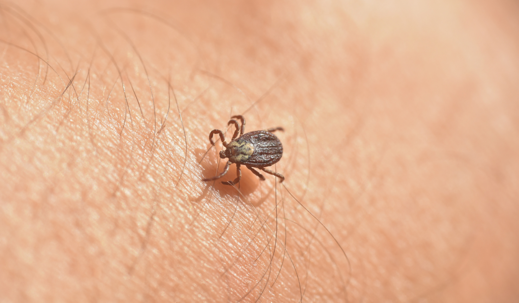
The brown dog tick looks quite different. It is flat and oval before feeding, then becomes engorged after a blood meal. According to UF/IFAS Extension, a fully blood-fed female brown dog tick can lay over 7,000 eggs, with 4,000 on average. The number of eggs depends on the tick's size and the amount of blood ingested. The female dies after she finishes laying her eggs.
How to Spot Flea and Tick Activity Inside Your Home
Flea bites on people are one of the earliest indoor clues. Fleas may bite people, particularly if no other host is present. Because fleas jump from floor level, bites occur most often near the ankles and lower legs.
The brown dog tick may sometimes become a problem indoors, primarily in association with dogs. If your dog carries ticks inside, the pests can drop off and find sheltered spots to lay eggs or wait for another host.
Where Fleas And Tick Activity Shows Up Around Homes
Fleas tend to concentrate where pets rest or spend time outdoors. Shaded areas of your yard can harbor newly emerged adults waiting for a host to pass by.
Brown dog tick larvae and nymphs can survive off a host for up to six months, while adult females can survive up to a year without feeding. That long survival window means tick activity can persist around your home well after a pet brings them in.
Exterior Entry Points
Fleas typically hitch a ride indoors on pets that have been outside. Their powerful jump allows them to board a passing dog or cat with ease, and from there they travel directly into your living space.
Brown dog ticks follow a similar path, arriving on dogs that pick them up outdoors. Once inside, these ticks can establish themselves in hidden areas and continue their life cycle without returning outside, making early identification important for your home.
Why Flea and Tick Problems Develop
Flea and tick problems rarely appear out of nowhere. These pests follow predictable patterns tied to where they nest, what they feed on, and how they travel between outdoor areas and your living spaces. Understanding those patterns helps you recognize conditions that may invite an infestation before it takes hold.
Outdoor Nesting Areas
After feeding, brown dog ticks drop off their host and seek secluded spots for egg incubation. Cracks and crevices in houses, garages, and dog runs are ideal locations for this process, which can last about one to two weeks. These sheltered areas give ticks the undisturbed space they need to complete their life cycle close to a future host.
Food and Shelter
Blood meals drive the entire flea and tick life cycle. The brown dog tick is a three-host tick, meaning each active stage, whether larva, nymph, or adult, feeds once, then leaves the host to digest and molt to the next stage or lay eggs. As long as a dog or other host animal is present, the cycle continues. Fleas similarly concentrate on pets.
According to Texas A&M AgriLife Extension, the face, neck, and the area in front of the tail tend to harbor the highest numbers of adult fleas on dogs and cats.
How fleas and Move Around Homes
Ticks do not stay hidden once they begin seeking a host. During host-seeking activity, which occurs across all active life stages, brown dog ticks move toward a dog. This behavior draws them out into the open on furniture, baseboards, carpeting, and dog bedding. That increased movement is often the first sign homeowners notice.
Trails and Entry Points
Pets are the primary vehicle that brings fleas and ticks indoors. Once inside, brown dog ticks spread from sleeping and resting areas to nearby cracks and crevices where they can hide between feedings. Adult females mate on the host after feeding, then drop off to find a quiet incubation spot. Garages and dog runs connected to the home give ticks a direct path between outdoor and indoor environments, keeping the cycle going without interruption.
Risks From Fleas And Ticks
Fleas and ticks create more than a nuisance when they move into your living space. Both pests bite people and animals, and some carry pathogens that can affect your household. Understanding what these pests can do helps you decide how quickly to respond.
Health Risks
Flea bites are itchy and irritating for both people and pets. Some individuals and animals suffer from flea-bite allergic reactions. Bite responses can range from minimal marks to, in rare cases, severe anaphylactic responses. Historically, fleas transmitted the bacteria responsible for bubonic plague, though according to Purdue Extension, this disease has largely been eradicated in the developed world. Fleas also spread tapeworm to humans in the past, but that risk is minimal today.
Ticks pose their own concerns. According to UF/IFAS Extension, tick bites can lead to tick-borne diseases such as Lyme disease and Rocky Mountain spotted fever. In the U.S., Rocky Mountain spotted fever is more commonly transmitted by the American dog tick and the Rocky Mountain wood tick. Brown dog ticks, however, are the major vector of the Rickettsia rickettsii bacterium in Mexico.
Property Damage
Fleas And Ticks do not cause structural damage to your home the way termites or rodents can. The real cost is in the persistent discomfort they bring to your household and the veterinary or medical attention bites may require. Tick eggs are deposited in grassy areas or woods, and larvae usually find small hosts such as rodents, rabbits, and squirrels before eventually reaching larger hosts indoors.
Food Areas and Activity
Fleas And Ticks are blood-feeding pests, so they are not drawn to kitchens or pantries the way stored-product insects are. Their presence in your home is tied to the movement of hosts rather than food sources. Pets that travel between outdoor and indoor spaces can carry both pests into living areas, including rooms where you prepare or eat meals.
When to Look Closer
If you or your pets experience persistent itchy bites, it is worth investigating further. Allergic reactions to flea bites in particular can develop over time with repeated exposure. Ticks develop through four life stages, and larvae are small enough to go unnoticed on clothing or pet fur. Early attention to bite patterns and pet scratching helps you identify a problem before the population grows throughout your home.
Professional Pest Control for Fleas And Ticks
Managing fleas and ticks around your home takes more than a one-time fix. A combination of prevention, regular inspection, and professional treatment can help keep these pests from gaining a foothold indoors or on your pets. Understanding each step gives you a clearer picture of what a thorough control approach looks like.
How to Reduce Attractants
According to Oregon State University Solve Pest Problems, the first step is prevention. Talk with your veterinarian to develop a monthly flea medication treatment for your pet. Consistent use of veterinarian-recommended products is one of the most practical ways to reduce the chance of fleas building up in your home.
According to UC IPM, administering oral or topical products early in the year, before flea populations begin to build, can prevent fleas from establishing themselves in your home. Newer product innovations have made this approach both convenient and low-risk for pets.
Special metal flea combs are also available that help remove adult fleas from the coat of pets. Regular combing is a simple, hands-on step you can take between veterinary treatments to catch fleas early.
The Importance of Initial Inspections
The foundation of a sustainable flea management strategy relies on consistent pet examinations. By performing frequent checks, you can detect flea activity before the population expands. Identifying these pests early allows for a more efficient and straightforward response.
Furthermore, a professional assessment of both your residence and outdoor spaces provides comprehensive coverage. Pest control experts can pinpoint specific locations harboring fleas or ticks and suggest a customized plan of action based on their observations.
Regular pet inspection is a core part of any long-term flea control plan. Checking your pet frequently lets you spot fleas before populations have a chance to grow. The sooner you identify activity, the easier it is to respond with the right approach.
A professional inspection of your home and yard adds another layer. Service professionals can identify areas where fleas or ticks may be present and recommend targeted next steps based on what they find.
What to Expect During Professional Treatment
Professional treatment typically begins with a thorough assessment of your property. Service professionals look for signs of flea and tick activity in areas where pets rest or spend time, then develop a treatment approach tailored to your home.
Some treatment compounds work by preventing flea reproduction rather than targeting adult fleas directly. This approach can help interrupt the flea life cycle over time, reducing the number of new fleas that develop in your living spaces.
Your service professional may also recommend pairing professional treatment with ongoing veterinary flea prevention to address both indoor and on-pet populations at the same time.
What to Expect From a Flea and Tick Control Plan
A long-term flea control plan combines veterinary prevention, regular inspection, and professional treatment into a consistent routine. Starting preventive measures before seasonal flea activity ramps up gives you the best advantage.
Native Pest Management works with homeowners across South Florida to develop a control plan that fits your property. By pairing professional service with the prevention steps you take at home, you can help keep flea and tick activity in check throughout the year.
Developing a long-term plan is more practical than reacting after a problem has already grown. Consistent effort on both the homeowner and professional sides gives you the best chance of staying ahead of these pests.
If you need help protecting your home, reach out to Native Pest Management to request a quote.
Frequently Asked Questions
How Can I Tell If My Pet Has Fleas?
A flea comb is one of the simplest tools you can use. These fine-toothed combs pull adult fleas from your pet's fur so you can see them directly. Pay special attention to the face, neck, and the area just in front of the tail, where fleas tend to concentrate.
What Health Concerns Are Associated With These Pests?
Flea bites can cause itching and irritation, and some people and pets may experience allergic reactions to the bites. Ticks can carry diseases that affect both humans and animals, so removing them quickly and monitoring for symptoms is important.
What Is the Best First Step for Prevention?
Work with your veterinarian to set up a monthly flea prevention plan for your pet. Regular inspections of your pet's coat and your living spaces help you catch activity early, before populations grow.
Can Ticks Survive Indoors Without a Host?
Some tick species can persist in indoor environments for extended periods even without feeding. That staying power makes it important to address any indoor tick activity promptly rather than waiting for the problem to resolve on its own.