Light Brown Cockroach: A South Florida Guide
Light Brown Cockroach can cause costly problems when early signs are missed. Learn the signs, risks, and when to call Native Pest Management.
Key Takeaways
- Several cockroach species can appear light brown, so correct identification is an important first step before choosing a control approach.
- Some cockroaches breed indoors while others live outdoors and only wander inside temporarily, and the distinction affects how you address them.
- Cockroach species vary in size, wing development, and preferred hiding spots, so knowing what to look for helps you act sooner.
- A targeted treatment plan matched to the right species improves cockroach management in your home.
How to Identify a Light Brown Cockroach
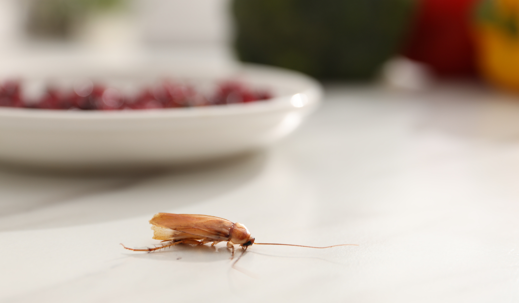
Several cockroach species can appear light brown, and telling them apart matters. According to UC IPM, you should identify the cockroach species before taking action, because each species has different habits and responds to different approaches. A light brown or tan roach in your home could be a German cockroach, an Asian cockroach, or a brownbanded cockroach, and each one behaves differently.
How to Tell Light Brown Cockroach Types Apart
The German roach is a common species and the one usually found in kitchens. Adults are comparatively small, about half an inch long, and tan in color. The nymphs have dark markings that make them appear dark brown to black. This species often occurs in large numbers.
The Asian cockroach looks similar but flies toward light sources, which distinguishes it from most cockroach species. If a light brown roach flies toward porch lights or lamps, you may be dealing with the Asian species rather than the German roach.
For comparison, the Oriental roach is about one inch long and shiny black or very dark brown. It is often called a "water bug" or "black beetle," so its darker color helps separate it from the tan species described above.
How to Spot Light Brown Cockroach Activity Inside Your Home
German and brownbanded cockroaches live and breed entirely indoors. If you notice small, tan-colored roaches in your kitchen or other indoor areas, these species are likely candidates. Sticky traps are useful for catching roaches so you can examine them closely and confirm what species you are dealing with, as UC IPM notes.
Because German roach nymphs appear dark brown to black due to their markings, you may see a mix of colors across different life stages in the same area.
Where Light Brown Cockroach Activity Shows Up Around Homes
Certain cockroach species live outdoors but can temporarily invade indoor spaces. American, Oriental, and Turkestan cockroaches fall into this category. The Oriental roach is common in damp areas and may live outdoors during warmer months, moving from home to home.
By contrast, the Asian cockroach is typically found in shaded outdoor areas. It can fly indoors, drawn by lighting, which sometimes leads homeowners to confuse it with the indoor-dwelling German roach.
Exterior Entry Points Light Brown Cockroaches Use
The Oriental roach may enter homes through sewer openings. Species that live outdoors but temporarily move inside can find their way in through gaps and openings connected to damp areas around your home.
Knowing which species you are dealing with helps determine whether the roach is breeding inside or entering from outdoors. Placing sticky traps near suspected entry points can help you catch specimens for a closer look and guide next steps.
Common Factors Behind Light Brown Cockroach Infestations
Light brown cockroach issues often start when roaches find the right mix of food, moisture, and undisturbed hiding spots in or around your home. Understanding what draws them in and how they spread can help you recognize a problem early.
Outdoor Nesting Areas for Light Brown Cockroach
Some cockroach species are more commonly associated with food establishments, but houses and apartments near those establishments frequently become infested as well, according to Purdue Extension. Outdoor areas with access to sewers or pet droppings can also harbor roaches that later move toward structures.
Food and Shelter for Light Brown Cockroach
Cockroaches gravitate toward locations where food is prepared or stored. Restaurants, grocery stores, and bakeries are typical hot spots. Fermenting food items, such as bread soaked with beer, can be particularly attractive to certain species. Keeping food sources cleaned up and sealed is one of the simplest ways to reduce pressure on your home.
How Light Brown Cockroach Move Around Homes
Unlike some species that stay close to the kitchen or areas with food, certain light brown cockroaches may infest an entire home. According to Purdue Extension, the brown-banded roach resembles the German roach in size but differs in habits, potentially spreading into bedrooms, closets, and living areas rather than staying confined to one room.
Females glue light brown egg cases, roughly 1/4 inch long, to ceilings, beneath furniture, or in closets and other dark places. These eggs incubate for several weeks before hatching, allowing populations to build in spots you may not check regularly.
Trails and Entry Points Light Brown Cockroach Use
Because some cockroach species may come into contact with human excrement in sewers or with pet droppings outdoors, they can carry bacteria capable of transmitting food poisoning such as Salmonella spp. and Shigella spp., as UC IPM notes. These roaches follow the same paths between food sources and harborage areas, which means the trails they use can spread contamination across surfaces in your home.
Dark, undisturbed spaces are the most common harborage points. Egg cases attached beneath furniture or inside closets show that roaches have already established a presence well beyond the kitchen.
Risks From Light Brown Cockroaches
The brown-banded cockroach (Supella longipalpa) is one of several cockroach species recognized as a household pest. Unlike species that stay near moisture sources, this roach spreads widely throughout the home, turning up in walls, closets, furnishings, and appliances. According to University of Tennessee Extension, brown-banded cockroaches are abundant in kitchens but distributed throughout the entire house. That broad range is what makes them a persistent nuisance.
Health Risks Linked to Light Brown Cockroaches
Because brown-banded cockroaches move through so many rooms, they can contact surfaces where you prepare or store food and then travel to less sanitary areas and back again. Their wide distribution throughout the house means more living spaces may be affected compared to species that stay in a single room. This movement pattern raises general hygiene concerns for your household.
Property Damage From Light Brown Cockroaches
Brown-banded cockroaches occupy spaces inside walls, closets, and appliances. Over time, shed skins and droppings can accumulate in these hidden spots, creating unpleasant conditions that are hard to notice until the population grows. Furnishings and stored items in closets may also harbor roaches, adding to the challenge of locating and addressing the issue throughout your home.
Food Areas and Activity
Kitchens tend to see the highest brown-banded cockroach activity. These roaches are abundant in kitchen spaces where warmth and food residues are available. However, their habit of dispersing into other rooms sets them apart from species like the German cockroach, which typically spends its entire life indoors in kitchen and bathroom areas. The brown-banded cockroach's willingness to occupy furnishings and appliances across multiple rooms means kitchen-only efforts may miss a large portion of the population.
When to Look Closer
If you spot a small, dark brown roach with two pale bands across its wings in a bedroom, closet, or living area, it is worth investigating further. A single sighting away from the kitchen can signal a broader presence behind walls and inside furniture. Because this species does not confine itself to wet areas, checking multiple rooms gives you a more accurate picture of activity in your home.
Professional Pest Control for Light Brown Cockroaches
Managing a light brown cockroach presence in your home starts with reducing the conditions that attract them, then moves to thorough inspection and targeted treatment. Below is what each step looks like and how Native Pest Management approaches the process.
How to Reduce Attractants
Cockroaches look for easy access to food and moisture. Keeping your kitchen clean, wiping down counters, and storing food in sealed containers removes some of those draws. Fix leaky faucets and reduce standing water wherever possible.
Sealing gaps around doors, windows, and utility entry points can help limit how cockroaches move into your living space. When cockroach populations are high, they tend to push into buildings with greater pressure, so removing attractants early matters.
Why Light Brown Cockroach Control Starts With Inspection
Before any treatment begins, a careful inspection helps identify where cockroaches are hiding. According to UC IPM, treatment of harborage sites may be required when cockroach populations are high and the pests are moving into buildings. Finding those harborage areas is the first priority.
An inspection also helps confirm which cockroach species you are dealing with. Different species respond to different approaches, so accurate identification guides the entire treatment plan. Native Pest Management technicians look for signs of activity in areas where cockroaches typically shelter.
What to Expect During Professional Cockroach Treatment
Treatment focuses on the harborage sites uncovered during inspection. For species other than German cockroaches, most granular treatments applied to those areas can address the problem. Native Pest Management tailors the approach to the species present in your home.
German cockroaches require a more thorough approach, including an insect growth regulator to stop the rate of reproduction. They also need a two-week follow-up after the initial service, with an optional fourth-week follow-up at no added cost if the technician determines it is needed. Other cockroach species generally respond well to standard granular applications.
What a Light Brown Cockroach Control Plan Includes
After the initial treatment, Native Pest Management transitions your home to quarterly service. This recurring schedule helps maintain coverage and addresses any new activity before it grows. Your technician monitors conditions at each visit and adjusts as needed.
Homeowner cooperation plays a role too. Keeping up with sanitation, sealing entry points, and reporting new activity between visits supports the overall plan. A consistent partnership between you and your technician keeps your home less hospitable to cockroaches over time.
If you are seeing cockroaches regularly, reach out to Native Pest Management for a professional assessment tailored to your South Florida home.
Frequently Asked Questions
How Can I Tell Which Cockroach Species I Have?
Pay attention to body size, color, and banding patterns. Sticky traps placed in areas where you notice activity can help you capture specimens for closer inspection. Comparing what you catch against species descriptions will narrow things down.
Do All Cockroaches Breed Indoors?
No. Some species live and breed entirely indoors, while others primarily live outdoors and only temporarily move inside. Knowing this distinction affects how the problem should be addressed.
What Treatment Approach Is Used for Different Species?
Other species, such as brown banded and American cockroaches, typically respond to granular treatments. Your technician may schedule an additional follow-up at no extra cost if needed.
Why Do Cockroaches Fly Toward My Lights at Night?
Certain species are strong fliers and are attracted to light sources, which can make them more noticeable around porches and illuminated windows. Not all cockroach species behave this way, so flight activity can actually be a helpful clue for identification.