Dealing With Flea Size in Palm Beach County Homes
Flea Size can create costly problems when early signs are missed. Learn what to look for, why it matters, and when to call Native Pest Management.
Key Takeaways
- Adult fleas are small, wingless insects that can be found on dogs, cats, and other animals, making size a helpful identification clue.
- Flea infestations involve both adult fleas on your pets and immature fleas developing in areas around your home, so flea control should address both.
- Fleas bite pets for a blood meal, and ongoing irritation can affect your pet's comfort and well-being.
How to Identify Flea Size
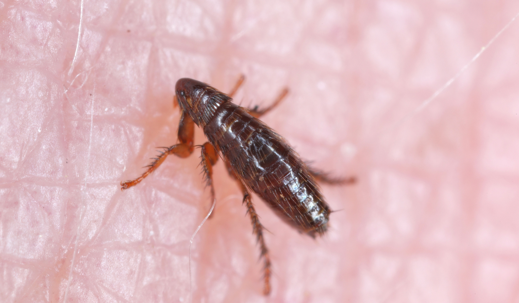
Understanding flea size is one of the fastest ways to confirm whether these pests have moved into your home. Adult fleas are roughly 1/8-inch long, dark brown, and wingless, according to Oregon State University Solve Pest Problems. At that scale, they are about the size of a pinhead, which makes them easy to overlook until an infestation is already underway.
How to Tell Flea Size Types Apart
Fleas look different depending on their life stage. Adults measure roughly 1/8 inch and appear dark brown. Their bodies are compressed from side to side, and their long legs are adapted for jumping, as the University of Tennessee Extension notes. Immature larvae are even smaller and feed on dried blood provided by adult fleas or biological debris.
Because flea larvae and eggs are so tiny, you may notice the adults first. Adults are reddish-brown to dark brown, wingless, and flat when viewed from above. That laterally compressed body shape helps distinguish fleas from other small household insects.
How to Spot Flea Size Activity Inside Your Home
The most common place to notice adult fleas is in the fur of dogs and cats. Adult fleas prefer to feed on dogs, cats, opossums, foxes, and sometimes rats and other urban animals. When pets are not available, humans may be targeted.
Beyond seeing the insects themselves, look for flea larvae and flea eggs in areas where your pets rest. Larvae are roughly 1/16 inch long, making them harder to spot than the adults. Regularly cleaning areas where you find adult fleas, flea larvae, and flea eggs helps reduce activity, as UC IPM recommends.
Where Flea Size Activity Shows Up Around Homes
Fleas and their immature stages tend to concentrate where pets spend the most time. Bedding, carpeted rooms, and upholstered furniture can harbor eggs and larvae. Larvae feed on dried blood and biological debris that accumulates in these resting spots.
Addressing flea activity should be two-pronged: directed at cats and dogs to handle adult fleas, and at breeding sites to address immature fleas. Focusing on only one area often leaves part of the population untouched.
Exterior Entry Points Flea Size Use
Adult fleas typically arrive on a host animal. Dogs and cats pick up fleas outdoors, then carry them inside. Wildlife such as opossums, foxes, and rats can also deposit fleas around the perimeter of your home, creating opportunities for the pests to move indoors.
Because fleas are wingless and rely on jumping to reach a host, entry points are wherever your pets enter and exit. Keeping those transition areas clean and monitoring your pets regularly can help you catch flea activity before it spreads to other rooms.
Why Flea Size Problems Develop
Because fleas are only about 1/8 inch long, they can go unnoticed on pets and in your home until populations build. Understanding where these tiny pests nest, what sustains them, and how they spread helps you catch a flea problem early.
Outdoor Nesting Areas for Flea Size
Adult cat fleas feed on dogs, cats, and a variety of furred animals, according to Texas A&M AgriLife Extension. Any outdoor area where pets or wildlife rest can become a breeding ground. Shaded spots where animals spend time give flea larvae a sheltered place to develop before they reach the adult stage.
Food and Shelter That Attract Flea Size
Flea larvae feed on dried blood and excrement that adult fleas produce while feeding on a pet. This debris falls from the animal's coat into bedding, carpet fibers, and resting areas, creating a ready food source that supports the next generation of fleas. Wherever a host animal spends time indoors, larvae can find the nourishment they need to mature.
How Flea Size Move Around Homes
Adult fleas have strong jumping legs that let them move quickly between hosts and surfaces. Their small size, just 1/8 inch long, makes them difficult to spot as they travel through fur or hop onto furniture. Pets that move freely between rooms carry fleas and flea debris throughout the house, spreading the problem from one area to another.
Trails and Entry Points Flea Size Use
Pets are the primary vehicle that brings fleas indoors. When combing your pet for fleas, pay special attention to the face and neck regions and the area in front of the tail, as these are common gathering spots. Special metal flea combs can help remove adult fleas from your pet's coat and give you a clearer picture of activity levels. Newer products aimed at controlling adult fleas on pets have made cat flea management without sprays, shampoos, and dusts feasible in most situations.
Risks From Flea Size
Because fleas are so small, they often go unnoticed until a population has already taken hold inside your home. Their tiny bodies let them hide deep in pet fur, carpet fibers, and upholstery, making early detection difficult. Understanding the risks tied to flea size helps you know what to watch for before the problem grows.
Health Risks Linked to Flea Size
Adult fleas bite and feed on blood, targeting dogs, cats, and other pets as their primary hosts. According to Oregon State University Solve Pest Problems, flea bites are itchy and irritating, and some people and pets suffer from flea-bite allergic reactions. Constant irritation from flea bites on pets can lead to skin problems, anxiety, and reduced overall well-being.
Fleas may also bite people, particularly if no other host is present. Because newly emerged adults can jump 8 to 10 inches toward a passing host, bites on people most often appear near the ankles and lower legs. The cat flea attacks both dogs and cats and will also bite humans, potentially spreading flea-borne diseases.
Property Damage From Flea Size
Fleas themselves do not cause structural damage, but their feeding habits leave visible evidence throughout your home. Feeding adults excrete large amounts of partially digested blood that appears as dark red to black "flea dirt" against your pet's skin and on bedding, furniture, and flooring. Under typical household conditions, the flea life cycle takes three to six weeks, which allows populations to build rapidly and spread this debris across living spaces.
Food Areas and Flea Size Activity
Fleas are generally pests of animals rather than stored food, yet according to the University of Minnesota Extension, dogs and cats serve as their primary hosts inside homes. Anywhere your pet rests or passes through, including areas near food preparation zones, can become a site for flea activity. Infestations readily take place indoors, so high-traffic pet areas deserve regular attention.
When to Look Closer at Flea Size Activity
A flea's small size makes casual inspection unreliable. If you notice your pet scratching persistently, check for dark specks of flea dirt close to the skin. People in the household receiving unexplained bites around the ankles are another sign worth investigating. Because populations can build within weeks, early attention matters when any of these signs appear.
Professional Pest Control for Flea Size
Because fleas are so small, they can build up in carpets, pet bedding, and other areas of your home before you notice a problem. Their tiny size also makes larvae especially hard to reach with standard treatments. A layered approach that includes prevention, thorough inspection, and targeted professional methods gives you the best chance of bringing a flea issue under control.
How to Reduce Attractants for Flea Size
Preventing fleas starts with your pets. According to Texas A&M AgriLife Extension, a pet's first defense against fleas should include a flea comb and a good bath. Soap in a pet bath acts as a gentle treatment and can help control lighter flea infestations. Using a flea comb, though time consuming, can also help reduce the need for additional treatments.
Prescription flea medications for your pets can provide long-term flea control. According to Oregon State University Solve Pest Problems, these medications are very easy to use, and controlling fleas is much easier with them than without them. Talk to your veterinarian about the right option for your pet.
Why Flea Size Control Starts With Inspection
Flea larvae develop at the base of carpet fibers, where their small size makes them difficult to detect and even harder to treat. Treatments that do not use insect growth regulators (IGRs) often fail to control flea larvae because the material does not reach them deep in the carpet. A careful inspection helps identify where larvae are concentrated so that the right products can be applied to the right areas.
Professionals trained in flea pest control know to check carpeted rooms, pet resting areas, and dry spots like pet houses where larvae may be present. This focused inspection step is what separates a targeted plan from a general approach that may miss the areas that matter most.
What to Expect During Professional Flea Size Treatment
A professional flea pest control treatment typically addresses both adult fleas and developing larvae. IGRs work by disrupting the normal development of flea eggs and larvae. Because IGRs mimic insect hormones, according to Texas A&M AgriLife Extension, they are among the safest products on the market for flea control.
Borate-based products are also available for flea control on indoor carpeting. These products can kill flea larvae in carpets, though adult fleas are not harmed by them. In dry environments, diatomaceous earth can be useful for killing flea larvae when applied as a dust to dry sites such as pet houses and pet bedding.
What to Expect From a Flea Size Control Plan
A thorough flea pest control plan combines on-pet prevention with in-home treatment. Because standard treatments often fail to contact larvae hidden at the base of carpet fibers, plans that include IGRs or borate-based products tend to address the problem more completely.
At Native Pest Management, our service professionals understand how a flea's small size factors into treatment planning. We serve homeowners across South Florida and in Tallahassee, tailoring each pest control plan to the conditions found during inspection. Addressing both adults and larvae at the same time helps keep flea numbers from rebounding after treatment.
Bottom Line on Flea Size
Understanding flea size is one of the most practical steps you can take toward catching an infestation early. These tiny, wingless insects are small enough to hide in pet fur and carpet fibers, which means they often go unnoticed until bites and irritation become obvious. Knowing what to look for on your pets and around your home helps you act before flea populations grow. A two-pronged approach that addresses both adult fleas and their immature stages in breeding sites gives you the best chance of bringing an infestation under control.
If you need help identifying or managing fleas in your South Florida home, contact Native Pest Management to request an inspection.
Frequently Asked Questions
Why Are Fleas So Hard to Spot?
Fleas are wingless and very small, making them difficult to see with the naked eye, especially on darker-furred pets. Their strong jumping legs let them move quickly through fur and onto carpeting, where immature stages can develop out of sight at the base of carpet fibers.
How Can I Check My Pet for Fleas?
A fine-toothed flea comb is a simple tool that helps pull adult fleas out of your pet's fur. Pay close attention to the face, neck, and the area just in front of the tail. Most dogs and cats tolerate combing well. A good bath with soap can also help with lighter infestations, since soap acts as a gentle way to reduce flea numbers on your pet.
Do Fleas Only Affect Pets?
No. Flea bites are itchy and irritating for people too. Some people and pets may suffer from flea-bite allergic reactions, adding to the discomfort. Because fleas can readily infest indoor spaces, the problem is not limited to animals alone.
Should I Treat My Home and My Pet at the Same Time?
Yes. Addressing only the adult fleas on your pet leaves immature fleas developing in carpets and bedding. A two-pronged effort that targets both adults on pets and breeding sites throughout your home is the recommended approach for bringing flea numbers down.