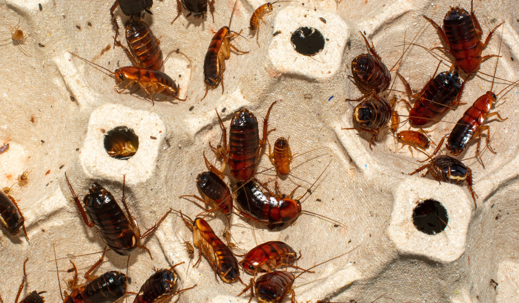
Dealing With Red Roach in Palm Beach County Homes
Red Roach can create costly problems when early signs are missed. Learn what to look for, why it matters, and when to call Native Pest Management.
Key Takeaways
- Several cockroach species can appear reddish brown, so correct identification is the first step toward addressing a red roach problem in your home.
- Some roaches live and breed entirely indoors while others primarily stay outside and wander in searching for food or water, and each type calls for a different approach.
- Reducing moisture, sealing entry points, and keeping food areas clean can help make your home less inviting to cockroaches.
- When cockroach populations are high, professional treatment of harborage sites may be needed to bring numbers down.
How to Identify Red Roaches
The term "red roach" can refer to several cockroach species that share reddish or reddish-brown coloring. Knowing which species you are dealing with helps you understand where the pest lives and how it behaves. Below is a breakdown of common cockroach species that may match the "red roach" description, along with signs of activity and the areas around your home where they tend to show up.
How to Tell Red Roaches Types Apart
Several cockroach species carry reddish-brown tones, yet they differ in size and features. According to Purdue Extension, the German cockroach is found worldwide and measures about 1/2 to 5/8 inch long with two dark stripes on the front portion of the thorax. Despite its lighter brown color, it can appear reddish under certain lighting.
Oriental cockroaches are dark brown to black and grow to about 1 1/4 inches long. They do not fly, and their wings remain short even as adults. The female's wings are smaller than the male's, which extend only slightly over half of the body. Nymphs of this species are uniformly reddish brown to black.
The Asian cockroach stands out from most cockroach species because it readily flies and is attracted to light. That flight behavior is rare among cockroaches and can help you rule out other species quickly.
How to Spot Red Roach Activity Inside Your Home
Some cockroach species live and breed entirely indoors. German and brownbanded cockroaches fall into this category. If you notice small, reddish-brown roaches near indoor fixtures, kitchens, or bathrooms, you may be looking at one of these indoor species.
Other species, such as American, Oriental, and Turkestan cockroaches, live outdoors but can temporarily invade indoor spaces. Seeing a larger, reddish-brown roach inside on occasion may point to one of these outdoor species moving in rather than an established indoor population.
Where Red Roaches Activity Shows Up Around Homes
Asian cockroaches are typically found in shaded outdoor areas with leaf litter, mulch, or high grass present. Because they fly toward light, you may notice them near porch lights or illuminated windows at night.
Oriental and American cockroaches also favor outdoor harborage sites. When populations of these species grow, they can begin moving into nearby buildings.
Exterior Entry Points Red Roaches Use
Outdoor cockroach species such as American, Oriental, and Turkestan cockroaches move into buildings when populations are high around harborage sites near the structure. According to UC IPM, treatment of those exterior harborage areas may be needed when roaches are actively migrating indoors.
Watching for roach activity at transition points between landscaping and your home's foundation can help you catch movement early. Species that fly, like the Asian cockroach, may bypass ground-level entry points entirely and arrive at upper-story windows drawn by interior lighting.
Why Red Roaches Problems Develop
Red roach activity around your home usually traces back to basic needs: food, water, and shelter. Several cockroach species sometimes called "red roaches" share these drivers, and understanding what draws them in can help you stay ahead of an infestation.
Outdoor Nesting Areas for Red Roaches
According to UF/IFAS Extension, American cockroaches are found outdoors in moist, shady areas such as hollow trees, wood piles, and mulch. They may also turn up under roof shingles and in attics. These sheltered, damp spots give roaches a reliable home base close to your structure.
Food and Shelter That Attract Red Roaches
Roaches gravitate toward areas where food and water are easy to reach. German cockroaches, for example, are widespread in indoor environments and prefer sites close to moisture and food. Brown-banded cockroaches do well in drier conditions and prefer starchy foods, so they can occupy different areas of the same home.
Oriental cockroaches, sometimes called "water bugs," may migrate into buildings at night in search of food, water, or mates. Any space that provides consistent access to both food and water can support a growing roach population.
How Red Roaches Move Around Homes
Many roach species dwell outside but wander indoors when conditions change. American cockroaches may move inside to search for food and water or to avoid extreme weather conditions. Oriental cockroaches tend to make their moves at night, which means you may not notice activity until numbers have grown.
Trails and Entry Points Red Roaches Use
Because roaches are drawn to moisture and food, they tend to follow paths that lead toward kitchens, bathrooms, and other areas where water collects. Reducing available food and water sources around your home makes these trails less rewarding and can slow roach movement indoors.
Risks From Red Roaches
Red roaches, a common nickname for reddish-brown cockroach species, rank among the most unwelcome pests a homeowner can find indoors. Several cockroach species can carry this informal label, including the American cockroach, the Turkestan cockroach, and certain wood cockroaches. Understanding what these pests may do inside your home helps you decide how seriously to treat an appearance.
Health Risks Linked to Red Roaches
Multiple cockroach species are recognized as pests in residential settings. According to UC IPM, five cockroach species are commonly regarded as pests, including the German cockroach, brownbanded cockroach, oriental cockroach, American cockroach, and Turkestan cockroach. When any of these pests move through living spaces, they can come into contact with surfaces where you prepare or store food.
Because cockroaches often travel between unsanitary areas and indoor rooms, their presence in your home is a concern worth addressing promptly. Keeping roach activity in check reduces the chance of repeated contact with kitchen counters, dishes, and stored goods.
Property Damage From Red Roaches
While cockroaches are primarily nuisance pests, repeated activity can leave behind droppings and shed skins in cabinets, closets, and other sheltered spots. These accumulations may become harder to manage as roach populations grow over time.
In the Southeastern United States, there are eight species of wood cockroaches, all native species, as the University of Georgia pest guide notes. Wood roaches can wander indoors from exterior harborage areas, adding to the range of cockroach pests homeowners may encounter.
Food Areas and Red Roaches Activity
Kitchens and pantries tend to attract cockroach activity because these rooms offer moisture and accessible food sources. Roaches that reach food preparation areas can contaminate surfaces simply by walking across them. Reducing clutter and cleaning spills quickly makes these spaces less inviting to pests.
Storage areas such as cabinets and drawers deserve regular inspection, especially if you have noticed roach activity elsewhere in the home.
When to Look Closer at Red Roaches Activity
Spotting a single roach does not always mean a large population is present, but it does warrant a closer look. Check dark, moist areas for droppings or egg cases. The oriental cockroach, for example, is a flightless species about 1¼ inches long and shiny black to dark brown, so it may be confused with other roach types if you are not sure what to look for.
If you notice roaches repeatedly in the same rooms or find signs in multiple areas, the activity may point to a growing issue that deserves professional attention.
Professional Pest Control for Red Roaches
Red roaches can be persistent once they settle into a home. A structured approach that combines reducing attractants, thorough inspection, and professional treatment gives you the best chance of addressing an infestation rather than chasing individual roaches around your kitchen.
How to Reduce Attractants for Red Roaches
Limiting what draws red roaches into your living space is an important first step. Keep counters and floors free of crumbs and spills. Store food in sealed containers and avoid leaving dishes in the sink overnight. Fix dripping faucets and dry out wet areas under sinks, since moisture is a key draw for cockroaches.
Decluttering storage areas also helps. Roaches seek tight, undisturbed spaces where they can hide during the day. Reducing cardboard boxes and paper bags removes potential harborage sites and makes it easier for service professionals to inspect thoroughly.
Why Red Roach Control Starts With Inspection
Before any treatment begins, a careful inspection helps identify where roaches are concentrated and how they are entering your home. Service professionals look for signs of activity in areas near food and water sources. Understanding the scope of the problem guides which treatment methods will work best.
Inspection also helps determine the species involved. This matters because different cockroach species respond to different control strategies. A proper identification ensures the right approach from the start.
What to Expect During Professional Red Roach Treatment
Professional red roach treatment typically relies on targeted bait placements rather than broad sprays. According to Mississippi State University Extension, baits are especially useful against German cockroaches, a species commonly called "red roach" due to its reddish-brown coloring.
Sprays and bug bombs are not nearly as useful as baits for addressing German cockroach infestations, as Texas A&M AgriLife Extension notes. Over-the-counter aerosol products can scatter roaches to new areas of the home without addressing the core population. Professional bait applications target roaches where they harbor.
If sprays or bug bombs are used for any reason, all dishes, cookware, and utensils should be removed or covered beforehand, and label directions should be followed carefully.
If you are seeing red or reddish-brown cockroaches in your home, contact Native Pest Management to schedule an inspection and get a tailored plan for your property.
Frequently Asked Questions
Why Do I Keep Seeing Cockroaches Even After Cleaning?
Cleaning removes food sources, but cockroaches can still enter from outdoor harborage areas or neighboring units. Some species breed indoors and may already have established populations in hidden spots. A thorough inspection can reveal where the roaches are coming from and what additional steps are needed beyond routine cleaning.
Are Flying Cockroaches a Different Species?
Not all cockroaches fly. Most species rarely take flight. However, certain types, such as the Asian cockroach, readily fly and are attracted to light. Seeing a cockroach in flight can help narrow down the species, which in turn guides the right approach to managing them.
Can Cockroaches Move Indoors From My Yard?
Yes. Several cockroach species live outdoors and may wander inside when searching for food and water. Reducing moisture, sealing entry points, and keeping outdoor areas tidy can help lower the chance of indoor encounters with these species.
Should I Use Store-Bought Sprays or Bait Products?
The right product depends on the species involved. For some cockroach types, baits tend to outperform sprays. If you choose a store-bought option, follow all label directions carefully and protect dishes, cookware, and utensils from contamination. A professional assessment can help determine which approach fits your situation.