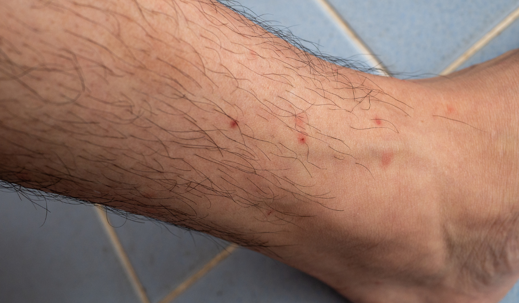
What West Palm Beach Homeowners Should Know About Flea Bites on Legs
When early indicators are overlooked, flea bites on legs can result in complications. Discover what symptoms to watch for, the significance of early detection, and when it is time to contact the experts at Native Pest Management.
Key Takeaways
- Flea bites are itchy and irritating, and some people may experience allergic reactions that lead to more intense itching and reddening of the skin.
- Scratching flea bites can lead to secondary infections, so monitoring the affected area and keeping it clean is important.
- Fleas are primarily pests of pets like dogs and cats, but they can also bite people, especially around the lower legs.
- Not everyone reacts to flea bites the same way. Some people may not notice bites at all, while others develop persistent symptoms that require attention.
How to Identify Flea Bites On Legs
If you have noticed small, itchy marks around your ankles or lower legs, fleas may be the cause. Adult fleas feed on the blood of their hosts, and while dogs and cats are their primary targets in homes, fleas also bite people. According to Purdue Extension, flea bites occur most often near the ankles and lower legs because fleas jump from ground level onto a passing host.
However, diagnosing flea bites from skin marks alone is difficult. Other causes can produce similar-looking lesions. The best way to confirm fleas is to find adult fleas on your pets or somewhere inside your home.
How to Tell Different Flea Bite Types Apart
As University of Minnesota Extension notes, other causes can look similar to flea bites. Rather than relying on the appearance of marks alone, focus on confirming flea activity. Check your dog or cat for live fleas by parting the fur, especially around the neck and base of the tail. If you find adult fleas on a pet, the bites on your legs are more likely flea-related.
How to Spot Flea Activity Inside Your Home
When pet hosts are unavailable, fleas may turn to people instead. Fleas are well known for their jumping ability, sometimes covering 8 to 10 inches in a single leap when a potential host walks by.
If you notice bites concentrated on your lower legs after walking through a specific room, that area likely has flea activity. Pay close attention to rooms where pets rest or spend the most time.
Where Fleas Show Up Around Your Home
Because fleas depend on animal hosts, activity tends to concentrate wherever your pets spend time indoors. Areas with pet bedding or frequent pet traffic are common spots where fleas wait for a host to pass by.
Exterior Entry Points Fleas Use
Fleas typically reach your home by riding on a pet that has picked them up outdoors. Once inside, adult fleas begin feeding and the cycle continues. Keeping an eye on your pets after they come indoors can help you catch flea activity before bites on your legs become a recurring problem.
Why Flea Problems Develop Around Your Home
Flea bites on legs often catch homeowners off guard because the underlying problem builds quietly. Understanding where fleas settle, what draws them in, and how they spread through a home helps you recognize the issue before bites become a recurring concern.
Outdoor Nesting Areas for Fleas
Fleas often establish themselves in shaded, sheltered outdoor areas before making their way inside. Yards with dense ground cover or leaf litter can harbor flea populations that go unnoticed for weeks. These areas provide the humidity and protection fleas need to develop through their life stages.
Food and Shelter That Attract Fleas
Fleas feed on blood from available hosts. When conditions inside a home provide warmth and access to a host, the environment supports continued flea activity. According to Kansas State University Extension, bites from fleas, mosquitoes, and other pests can look similar, so finding the pest itself is the most reliable way to confirm the cause.
How Fleas Move Around Homes
Flea bites on legs tend to increase as flea populations grow indoors. Some people may not react to certain insect bites at all, which can delay awareness that a problem is developing. In most people, however, bites from blood-feeding pests cause red welts and itching that can last several days.
Trails and Entry Points Fleas Use
Fleas typically enter homes by traveling on a host or by being carried in on clothing and belongings. Doorways, gaps near ground level, and areas where pets rest outdoors and then come inside are common transition points. Once indoors, fleas may spread to carpeting, upholstered furniture, and bedding. Scratching bites can lead to secondary skin infections, so addressing entry points early helps reduce ongoing exposure.
Risks From Flea Bites On Legs
Flea bites on your legs are more than a minor annoyance. The cat flea, which is the species most often found on household pets, bites both dogs and cats and can also bite humans, potentially spreading flea-borne diseases according to UC IPM. Understanding the risks helps you decide how quickly to act.
Health Risks Linked to Flea Bites
Scratching flea bites can open the skin and lead to secondary infections. According to the EPA, these secondary skin infections include impetigo, ecthyma, and lymphangitis resulting from bite reactions. Keeping bites clean and avoiding excessive scratching helps reduce that risk.
Some people may also experience allergic reactions to flea bites, with more intense and persistent swelling and itching. Bite reactions vary from person to person. You should speak to your physician about any health concerns associated with flea bites.
Historically, fleas transmitted the bacteria responsible for bubonic plague and also spread tapeworm to humans. As Purdue Extension notes, these threats have largely been eradicated in the developed world and pose minimal risk today, though flea-borne diseases remain a reason to take bites seriously.
Property Damage From Flea Infestations
Flea bites themselves do not cause structural or property damage. The real concern is the growing population behind those bites. When fleas are biting your legs indoors, it typically means an active infestation is present in carpets, pet bedding, or upholstered areas throughout your home.
Flea Activity Near Food Preparation Areas
Fleas follow their hosts, so any room your pets access can become an active area, including kitchens and dining spaces. While fleas are not drawn to food itself, their presence in these rooms means bites on your legs can happen anywhere you stand or sit for a few minutes.
When to Take a Closer Look at Flea Bites on Your Legs
Bite marks on your lower legs that appear as small, itchy welts can look similar to mosquito bites. If you notice clusters of bites near your ankles or shins, especially after sitting near pet resting areas, fleas are worth investigating.
If swelling, redness, or irritation worsens, consult your physician to address any health concerns.
Professional Pest Control for Flea Bites On Legs
When flea bites keep showing up on your legs, the problem usually extends beyond what you can see. Fleas can be present on your pets and throughout your home simultaneously, so a focused approach is important for addressing the issue at its source.
How to Reduce Attractants for Fleas
Reducing flea activity starts with your pets and your living space. Treating pets and the home at the same time is critical, because addressing only one area can allow the problem to continue. Vacuuming regularly and washing pet bedding can help lower flea populations indoors.
Keeping your yard maintained may also reduce the likelihood of fleas hitching a ride on pets. The fewer opportunities fleas have to establish themselves, the less likely you are to notice bites on your legs.
Why Flea Control Starts With an Inspection
An inspection helps identify where fleas are most active inside and outside your home. Service professionals check pet resting areas, baseboards, and carpeted rooms for signs of flea activity. Service professionals look for signs of flea activity in areas where pets rest, along baseboards, and in carpeted rooms. Understanding where fleas are concentrated allows for a more targeted approach.
Without an inspection, it can be difficult to know the full scope of the issue. Flea populations can build in areas that are easy to overlook, so a walkthrough is a practical first step before any treatment plan begins.
What to Expect During Professional Flea Treatment
A professional flea treatment typically addresses both the indoor environment and the areas where pets spend time. As the University of Minnesota Extension notes, coordinating pet and home treatment prevents fleas in one area from reinfesting another.
Your service professional may recommend preparation steps before treatment, such as vacuuming thoroughly and removing items from floors. Following these guidelines helps the treatment reach the areas where fleas are most likely to be present.
What to Expect From a Flea Control Plan
A flea control plan is typically more than a single visit. Because fleas go through multiple life stages, follow-up visits may be needed to address newly emerging fleas that were not yet active during the initial treatment.
Your plan may also include guidance on ongoing pet care and household habits that can help reduce future flea activity. Native Pest Management serves homeowners across South Florida and Tallahassee, and our service professionals can walk you through what a flea control plan looks like for your home.
Bottom Line on Flea Bites On Legs
Flea bites on your legs can be itchy, irritating, and sometimes lead to allergic reactions for certain people and pets. Identifying the bites early and addressing the source of the problem helps you stay ahead of ongoing discomfort. Keeping your home and pets maintained goes a long way toward reducing flea activity. If you're dealing with persistent flea bites in your South Florida home, contact Native Pest Management to request a quote and get started with a plan that fits your situation.
Frequently Asked Questions
Why Do Fleas Tend to Bite the Lower Legs?
Fleas are strong jumpers and can leap several inches off the ground. When a newly emerged adult flea senses a host walking by, the lower legs and ankles are the closest targets. This is why bites tend to cluster in that area rather than higher on the body.
Can Flea Bites Cause an Allergic Reaction?
Some people may experience allergic reactions to flea bites. Reactions can vary from mild itching to more intense discomfort. Not everyone reacts the same way, and some individuals may barely notice bites at all.
Do Fleas Bite People Even When Pets Are Around?
Fleas primarily target dogs, cats, and other animals as hosts. However, they can and do bite people, particularly when no other host is readily available. Homes with pets may still see human bites during heavier flea activity.
Should I Be Concerned About Disease From Flea Bites?
Fleas were historically linked to serious diseases like bubonic plague, though this has largely been eradicated in the developed world. Today, the main concerns from flea bites are itching, irritation, and the possibility of secondary issues from scratching the affected areas.