Dealing With Wood Bugs in Palm Beach County Homes
Overlooking the early warning signs of Wood Bugs can lead to expensive issues. Discover how to spot them, understand their impact, and know when to contact Native Pest Management.
Key Takeaways About Wood Bugs
- Wood bugs is a broad term covering several insects that bore into or nest inside wood, including powderpost beetles, deathwatch beetles, carpenter ants, carpenter bees, and termites.
- Small holes and fine powder on wood surfaces are common signs of wood-bug activity, and larvae often cause the most damage before they are ever noticed.
- Prevention is typically the most practical approach to managing wood-boring insects, since treatment options can be limited once an infestation takes hold.
- Accurate identification of the specific wood bug involved is an important first step, because each type behaves differently and may require a different control strategy.
How to Identify Wood Bugs
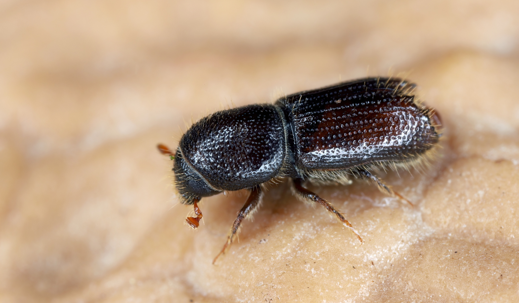
"Wood bugs" is a broad term homeowners use for several species of wood-boring beetles and bark beetles that feed on or develop inside wood. Knowing which species you are dealing with helps you understand the scope of the problem and what steps to take next.
How to Tell Wood Bug Types Apart
Adults of most species are about 1/4 inch long, according to UC IPM. Size alone can vary widely, though. The black Polycaon (Polycaon stoutii), for example, reaches 1-1/2 to 2 inches long, making it noticeably larger than other wood-boring beetles you may encounter.
Development time also differs between species. Most species develop in about one year, but the black Polycaon can take up to 20 years to complete its life cycle. That extended timeline means activity from certain species can persist in wood for years before you notice visible signs.
Lyctus beetles attack the sapwood portion of hardwoods such as oak, hickory, ash, and walnut. Other species feed in heartwood as well as sapwood and will also attack pines and softer woods. Cedar and cypress bark beetles (Phloeosinus species) target arborvitae, cypress, false cypress, junipers, and redwood.
How to Spot Wood Bug Activity Inside Your Home
One species is frequently encountered in hardwood flooring made from oak, ash, walnut, cherry, or madrone, according to UC IPM. In those cases, the beetles are thought to infest the raw flooring material at the mill or holding areas before construction even begins. If you notice small holes or fine powder appearing in hardwood floors, wood-boring beetle activity may already be underway.
Where Wood Bug Activity Shows Up Around Homes
Different species target different wood types around your property. Lyctus beetles focus on the sapwood of hardwoods, while other species also bore into heartwood and softer woods. Cedar and cypress bark beetles create tunnels that resemble a centipede pattern on the wood surface and inner bark. Their adults feed on and kill twigs on host trees.
Exterior Entry Points Wood Bugs Use
Egg-laying female cedar and cypress bark beetles are attracted to the trunks of dead or dying trees, making landscape trees a starting point for activity near your home. Trees such as arborvitae, cypress, junipers, and redwood growing close to the structure can serve as host material. From there, beetles may move into exposed wood elements on or near the building.
Because some species can infest raw lumber before it reaches a construction site, wood bugs may already be present inside building materials when your home is built. Watching for exit holes and fine dust on wood surfaces is one of the most reliable ways to catch activity early.
Why Wood Bugs Problems Develop
Several wood-boring and wood-nesting pests share the "wood bug" label, including carpenter ants, carpenter bees, and wood-boring beetles. Each one targets your home for slightly different reasons, but the pattern is similar: they find the right wood, the right shelter, and a clear path inside.
Outdoor Nesting Areas for Wood Bugs
Carpenter ants build nests outdoors in tree stumps, firewood, fence posts, and wooden retaining walls. According to Oregon State University Solve Pest Problems, wood piles are common carpenter-ant nest locations. These outdoor colonies can grow large enough that workers begin searching nearby structures for additional nesting space.
Female carpenter bees bore into sound wood, and sometimes decaying wood, to create nests. Wood-boring beetles such as longhorned beetles often lay eggs on trees that are in decline, and larvae bore into the wood to feed and develop.
Food and Shelter That Attract Wood Bugs
Carpenter ants do not consume wood like termites. Instead, they excavate it to build their nests. In large colonies, this can result in an extensive network of galleries and tunnels, often beginning in an area where there is damage from water or wood decay. Moisture-damaged wood is especially attractive to them.
False powderpost beetle females bore a tunnel, or egg gallery, into wood and then deposit their eggs in pores or cracks within that tunnel. The wood itself serves as both shelter and a food source for developing larvae.
How Wood Bugs Move Around Homes
Once carpenter ants establish an outdoor colony, they may move indoors and nest within intact, dry wood or water-damaged wood, insulation, crawl spaces, and attic spaces. Carpenter ants damage wood by digging and creating smooth tunnels for their nest, gradually expanding through a structure.
When trees in poor health are cut down for firewood, beetle larvae may be brought into the home along with the wood. This is one of the most overlooked ways wood-boring beetles end up inside living spaces.
Trails and Entry Points Wood Bugs Use
Carpenter ants follow consistent foraging paths between outdoor colonies and indoor nesting spots. Firewood and lumber stored close to your home can serve as a bridge. Keeping firewood and lumber away from your buildings helps reduce this risk.
Carpenter bees target exposed, unpainted, or weathered wood on the exterior of a home. Because they bore directly into the surface, any unprotected wood member can become an entry point for nest construction.
Risks From Wood Bugs
Wood bugs may seem like a minor nuisance at first, but several of these pests can create real problems for your property and the trees around it. Understanding what is at stake helps you decide when to act.
Health Risks Linked to Wood Bugs
Most wood-boring pests such as powderpost beetles, deathwatch beetles, and false powderpost beetles are not associated with direct health risks to people. Their threat is primarily to the wood they infest rather than to you or your family. Still, the fine dust produced by boring larvae can accumulate over time, and the presence of any wood-destroying pests in your home is worth investigating.
Property Damage From Wood Bugs
According to UC IPM, three groups of wood-boring beetles, including powderpost, deathwatch, and false powderpost beetles, invade and damage wood furniture as well as structural and decorative wood inside buildings. These pests can affect items you may not expect, from built-in shelving to decorative trim.
The larval stage is when the bulk of the harm occurs. Beetle larvae feed inside the wood, and when they mature into adults, they chew through the surface to create round exit holes. Certain pests, including carpenter ants, carpenter bees, powderpost beetles, and termites, colonize wood after it has already been placed in structures.
Food Areas and Wood Bug Activity
Wood bugs target wood rather than stored food, but kitchens and pantries with wooden cabinetry or shelving are not immune. If wood-boring pests are active in structural or decorative wood near food preparation areas, the boring dust and exit holes they leave behind can show up on surfaces where you store or handle food.
When to Look Closer at Wood Bug Activity
Knowing the warning signs helps you catch activity early. According to UC IPM, signs of wood bug activity include dust from boring, small holes exuding sap, and tree crown decline. These clues can appear on trees around your yard as well as on wood elements inside your home.
Some of these pests begin their life cycles on declining trees that are old or that have sustained fire or insect damage. If you notice weakened or aging trees on your property alongside any of the signs listed above, it is worth having the surrounding wood in your home checked as well.
Professional Pest Control for Wood Bugs
When wood bugs show up around your home, the right approach starts well before any treatment. Carpenter bees, bark beetles, and other wood-boring pests each require a different strategy, but the fundamentals stay the same: reduce what draws them in, inspect thoroughly, and follow a structured control plan.
How to Reduce Attractants for Wood Bugs
According to UC IPM, prevention is the most available control method for bark beetles and related wood-boring insects. In most instances, it may be the only practical approach. That makes it worth focusing on before any treatment becomes necessary.
Reducing attractants means keeping wooden elements around your property in good condition. Carpenter bees are solitary bees that bore holes into wooden structures for their nests. Maintaining and sealing exposed wood surfaces can help make your home less appealing to these pests.
Simple upkeep goes a long way. Addressing damaged or untreated wood before wood bugs arrive gives you a stronger starting point than reacting after the fact.
Why Wood Bug Control Starts With Inspection
Wood bug damage often happens out of sight. Beetle larvae feed in and do most of the damage to wood, meaning the visible signs you notice may only hint at what is happening beneath the surface. A careful inspection helps uncover the scope of the problem.
At Native Pest Management, our service professionals examine wooden structures for entry points, bore holes, and other indicators of wood bug activity. Identifying the specific pest involved helps determine the right next steps, since different wood bugs call for different approaches.
Without a thorough inspection, it can be difficult to know whether you are dealing with beetles, carpenter bees, or another wood-boring pest. That distinction matters for choosing the right plan.
What to Expect During Professional Wood Bug Treatment
Treatment varies depending on what the inspection reveals. Because beetle larvae do most of the damage to wood while feeding inside it, addressing the problem may require targeting areas that are not immediately visible.
Carpenter bees, as solitary insects that bore into wooden structures, present a different challenge than bark beetles or other wood-boring species. Our team tailors each treatment to the pest involved rather than applying a one-size-fits-all approach.
Prevention remains central even during treatment. Since preventive measures are, in most cases, the primary available control for wood-boring insects, our professionals focus on combining targeted treatment with steps designed to discourage future activity.
What to Expect From a Wood Bug Control Plan
A wood bug control plan from Native Pest Management starts with inspection, moves into targeted treatment, and emphasizes ongoing prevention. Each step builds on the last to address the specific wood bugs found on your property.
Because prevention is often the most practical form of control for wood-boring pests, your plan will include guidance on reducing conditions that attract these insects. Our team works with you to identify areas of concern and keep your home's wood structures in better shape over time.
Recurring service allows our professionals to monitor for new activity and catch early signs before damage progresses. This approach reflects how wood bug management works best: steady attention rather than a single visit.
Bottom Line on Wood Bugs
Wood bugs cover a broad group of insects that bore into, nest in, or feed on wood in and around your home. Identifying the type of wood bug you are dealing with is the first step toward addressing the problem, since different species leave different signs and require different approaches. Prevention plays a central role in managing wood-boring insects, and catching activity early can help you avoid more extensive work later. If you suspect wood bug activity in your home, reach out to Native Pest Management for a professional inspection.
Frequently Asked Questions
What Are Wood Bugs?
"Wood Bugs" is an informal term that homeowners use for a variety of insects associated with wood. This can include powderpost beetles, bark beetles, carpenter bees, longhorned beetles, and other wood-boring species. Some bore directly into structural wood inside homes, while others target trees and may be brought indoors with firewood or lumber.
How Can I Tell if Wood Bugs Are in My Home?
Common signs of wood bug activity include small holes in wood surfaces, fine dust or powder near those holes, and in the case of trees, sap oozing from bore sites or crown decline. The size and shape of exit holes, along with the type of debris left behind, can help narrow down which species is involved.
Do Wood Bugs Cause Structural Damage?
Certain wood bugs can damage structural and decorative wood over time. Powderpost beetles, for example, may infest wood paneling, flooring, molding, and furniture. Carpenter bees bore holes into wooden structures for nesting. The extent of damage depends on the species and how long the activity goes unaddressed.
What Is the Best Way to Prevent Wood Bug Problems?
Prevention is considered the most practical approach for managing wood-boring insects. Inspecting wood materials before bringing them into your home, monitoring trees on your property for signs of decline, and scheduling regular professional inspections can all help you stay ahead of potential issues.