What Do Insects Eat? What West Palm Beach Homeowners Should Know
Bugs can cause expensive problems if you miss the early signs. Find out what to look for, what can go wrong, and when it’s time to call Native Pest Management.
Key Takeaways About What Insects Eat
- Insects have widely varied diets that can include plants, other insects, seeds, and animal material, so identifying what a pest feeds on helps you understand why it showed up in or around your home.
- Some insects are predators that capture other bugs, while others feed on plant material or stored food, and recognizing these feeding habits makes it easier to tell species apart.
- Not every insect you encounter is a problem. Many are beneficial because they prey on other pests, so correct identification matters before deciding on next steps.
- Knowing what attracts certain insects to your property, from garden plants to indoor food sources, is the first step toward reducing unwanted activity.
How to Identify What Insects Eat
Understanding what insects eat starts with recognizing the species you are dealing with. Different species have different diets, and the feeding signs they leave behind can help you narrow down what is active in or around your home. Knowing these clues makes it easier to figure out what is attracting pests and where to focus your attention.
How to Tell Insect Types Apart
Ant species are a good example of how diet varies within a single group. According to UC IPM, food preferences among ant species may include fruits, seeds, nuts, fatty substances, dead or live insects, dead animals, and sweets. This range means the trails you notice in your kitchen may lead to very different food sources depending on the species involved.
The little black ant, Monomorium minimum, is a slow-moving, small, and shiny black ant. Workers of this species prey on insects and feed on honeydew. If you spot tiny, dark ants moving slowly near plants or along counters, their diet can help confirm identification.
Cricket species also differ in what they consume. Depending on the species, crickets may be predatory on other insects or herbivores feeding on various types of plant material. Seeing chewed leaves versus insect remains near cricket activity can point to which type you have.
How to Spot Insect Activity Inside Your Home
Indoor feeding signs often show up as trails near sweet or fatty food sources, especially with ants. Look for consistent ant lines along edges of countertops, baseboards, or near stored food. The species present will determine which items attract them most.
Fly larvae are another indicator. According to Mississippi State University Extension, the maggots of many species of flesh flies develop in decaying animal carcasses, while many species are parasites of other insects. Finding maggots indoors may point to a hidden carcass or another insect population serving as a food source.
Where Insect Activity Shows Up Around Homes
Outdoors, feeding activity often centers on decaying biological material. Most flesh fly larvae feed on decaying flesh or excrement, but a few species feed on eggs, nymphs, and larvae of other insects, including other flies and grasshoppers. Activity around compost areas, animal waste, or garden beds can signal these species.
Ant colonies near landscaping may be feeding on honeydew produced by plant pests or foraging on dead insects in garden beds. Cricket species that feed on plant material are often found around dense vegetation or mulched areas.
Exterior Entry Points Insects Use
Insects follow food sources from the exterior into your home. Ant trails often run along foundation edges, door frames, and window tracks, moving toward whatever food is available inside. Recognizing what a species eats can help you trace the path back to its entry point.
Crickets that feed on plant material may enter through ground-level gaps near garden beds or landscaped areas. Flies drawn to decaying material can find their way in through any small opening near waste bins or areas where biological debris accumulates.
Why Insect Problems Develop
Understanding what insects eat helps explain why they show up around your home in the first place. Most pest problems start because a consistent food source is nearby. The wide range of ant diets described above illustrates why so many different species end up foraging close to homes.
Outdoor Nesting Areas for Insects
Many insects find food outdoors before ever entering a structure. Some ant species feed on live and dead insects, seeds, and honeydew outdoors. Pollen-producing plants can serve as a food source for wasps and may promote the establishment of other insects in nearby habitats. Honeydew produced by aphids and scale insects can also attract fruit flies, vinegar flies, wasps, and ants, according to UC IPM. These outdoor food chains create nesting pressure close to your walls and foundation.
Food and Shelter That Attract Insects
Indoors, some ants utilize a wide variety of foods including honeydew, plant and fruit juices, other insects, animal remains, and household scraps such as sweets, eggs, meats, pet foods, and grease. Many species of stored food insects target pantry goods, and most of those are either beetles or moths. Even termites play a role in the broader food web, since other animals and insects rely on termites as a food source.
How Insects Move Around Homes
Insects move toward whatever food source is most accessible. When dead insects or dead animals accumulate in inaccessible areas of a building, they become a food source that can sustain scavenger populations in hard-to-reach spots, as the University of Minnesota Extension notes. Indoors, certain ant species are attracted to greasy foods and sweets, which means kitchens and dining areas often see the most activity.
Trails and Entry Points Insects Use
Of the thousands of insect species around any given area, only a few meet the definition of a true pest. Any insect that negatively affects your quality of life can be considered a pest, and the ones that do tend to follow predictable paths toward food. Ants, for example, lay scent trails from outdoor colonies to indoor food sources. Recognizing these trails and the food sources that drive them is a practical first step toward understanding what is drawing insects into your home.
Risks From Common Insect Infestations
Understanding what insects eat helps you recognize the risks different pests pose inside and around your home. Some feeding habits create health concerns, while others cause property damage or simply become a nuisance. Knowing which risks apply to the pests you encounter makes it easier to decide how urgently you need to act.
Health Risks Linked to Insects
Certain pests feed in ways that affect people. Bed bugs are specialized insects that feed on blood from humans and other animals. According to Oregon State University Solve Pest Problems, they cause itching, skin irritation, and embarrassment, making them a human health pest that warrants prompt attention.
Not every insect that enters your home poses a health risk, though. Many spiders, small beetles, wood roaches, sowbugs, pillbugs, wasps, ants, and small flies may hide in firewood and end up indoors. Most of these pests are generally no real threat and tend to leave the wood within a few days.
Property Damage From Insects
When pests feed on plant material around your yard, the damage can be tricky to diagnose. As UC IPM notes, snail and slug damage can be confused with feeding by other pests such as earwigs, caterpillars, or other chewing insects. Misidentifying the source of the damage may lead you to overlook the actual pest responsible.
Getting the identification right matters because each type of pest feeds differently and leaves distinct signs. If you treat for the wrong pest, the real culprit may continue causing damage to your landscape unchecked.
Food Areas and Insect Activity
Some pests play a beneficial role that homeowners may not recognize at first. Bees and wasps are largely beneficial insects. Many bee species play important roles in pollinating wildflowers and fruit crops. Honey bees provide honey and wax used in many products. Most wasps attack, feed on, or parasitize other insects, including many damaging flies and caterpillars.
When these beneficial pests appear near your home, weighing the risks against their ecological value can help you decide whether intervention is needed or whether they can be left alone.
When to Look Closer at Insect Activity
A closer look is worthwhile whenever you notice unexplained bites on your skin, irregular holes in garden foliage, or unfamiliar pests emerging from stored firewood. Blood-feeding pests like bed bugs require immediate attention, while pests that arrived in firewood may resolve on their own within a few days.
For plant damage, take time to confirm whether chewing insects, caterpillars, earwigs, or snails and slugs are responsible before choosing your next step. Accurate identification helps you focus your efforts on the right pest.
Professional Pest Control for Insect Problems
Understanding what insects eat is more than a curiosity. It shapes how pest professionals prevent and manage infestations in your home. Different feeding habits create different attractants, and a targeted approach works better than guesswork.
How to Reduce Attractants for Insects
One overlooked attractant is honeydew produced on indoor plants. Aphids and other insects feed on plants, creating honeydew that draws ants indoors. Checking houseplants on a set schedule and removing aphid-infested leaves can reduce this food source and discourage ant activity inside your home.
Outdoors, certain plants may attract both pest species and the beneficial insects that feed on them. According to UC IPM, insectary plants are grown to attract, feed, and shelter parasitoids and predators that support biological control. Keeping your landscape balanced helps reduce the conditions that push pest populations toward your living spaces.
Mosquitoes and biting midges rarely breed indoors. Reducing standing water around your property limits the breeding habitat these blood-feeding flies rely on outside.
Why Insect Control Starts With Inspection
An inspection helps identify what insects are present and what they are feeding on in and around your home. For example, ants trailing across indoor plants often point to aphid honeydew as the food source drawing them inside. Knowing this changes how and where the service professional applies treatment.
Some insects go through complete metamorphosis, including ants, beetles, fleas, moths, and flies. As Kansas State University Extension notes, the egg and pupal stages of these insects are usually well protected and not as susceptible to control measures. An inspection helps a service professional pinpoint which life stage is active so that timing and placement of treatments are appropriate.
What to Expect During Professional Insect Treatment
A professional treatment starts by addressing the specific food sources that sustain the pest population in your home. If ants are following honeydew trails on indoor plants, treatment focuses on the plant area and the ant trails rather than broad, untargeted approaches.
Many beneficial insects eat aphids, whiteflies, small caterpillars, and other insect pests. A skilled service professional accounts for these helpful species during treatment, working to target the pests causing problems while preserving the insects that naturally keep other populations in check.
Because mosquitoes and biting midges rarely breed indoors, outdoor treatment areas typically receive attention when these biting flies are part of the concern. Native Pest Management tailors mosquito services to the conditions found on your specific property.
What to Expect From an Insect Control Plan
A control plan from Native Pest Management considers the full picture of what is attracting and feeding pests around your home. For ant issues, this may include guidance on monitoring indoor plants for aphid activity, since that honeydew trail is often what pulls ants inside in the first place.
Recurring general pest control addresses common South Florida household pests such as ants and spiders on an ongoing basis. Because most arthropods do not molt again once they reach maturity, timing treatments to target vulnerable life stages is an important part of any long-term plan.
Paper wasps feed caterpillars to their young, while bees collect pollen as a protein source for developing larvae. A control plan that accounts for these feeding differences helps each pest type receive the right approach rather than a one-size-fits-all treatment.
Bottom Line on What Insects Eat
Insects eat a wide range of foods, from plant material and stored pantry goods to other insects and even blood. Understanding what a particular insect feeds on can help you figure out why it showed up in your home and what conditions may be attracting it. Some insects are beneficial because they prey on garden pests, while others can become a nuisance when their feeding habits bring them indoors.
If you are noticing insects around your food, plants, or living spaces and want help identifying the problem, contact Native Pest Management for a professional assessment.
Frequently Asked Questions
Do All Insects Eat the Same Things?
No. Insect diets vary widely by species. Some feed on plants or decaying biological matter, others prey on fellow insects, and certain species feed on blood from humans and animals. Even within a single group like ants, food preferences can differ from one species to the next.
Why Are Insects Attracted to My Kitchen?
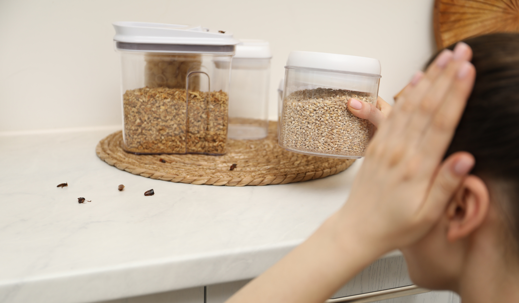
Many insects that show up in kitchens are drawn to stored food. Most stored food insects are either beetles or moths, and they can infest grains, cereals, and similar pantry items. Keeping food in sealed containers and cleaning up spills can reduce what attracts them.
Can Insects on My Plants Attract Other Pests?
Yes. Aphids and other plant-feeding insects produce honeydew as they feed, and that sticky residue can attract ants to your indoor plants. Monitoring your houseplants for these feeding insects can help you catch a developing pest issue early.
Are Any Insects Helpful to Have Around?
Some insects are considered beneficial because they feed on common garden pests. Certain wasps, for example, provide protein to their young by feeding them caterpillars rather than relying on plant material. Recognizing the difference between helpful and harmful species can guide your next steps when you spot insects around your property.