What West Palm Beach Homeowners Should Know About Flea Killer for House
Finding fleas indoors can be frustrating, especially when the problem seems to return after you vacuum or treat one room.
If you are searching for flea killer for house infestations, the most important thing to know is that a single product may not solve the entire problem. Fleas can be present on pets, in bedding, along baseboards, in rugs, and in outdoor areas where animals spend time. Effective control usually combines cleaning, pet care, targeted home treatment, and follow-up.
Key Takeaways
- Flea control works best when it addresses eggs, larvae, pupae, and adult fleas.
- Vacuuming and washing bedding are important parts of the process.
- Every pet in the home should receive appropriate flea care with guidance from a veterinarian.
- A persistent infestation may require professional treatment and follow-up.
- Outdoor areas may also need attention if pets spend time in the yard.
What Is The Best Flea Killer For House Infestations?
There is no single flea killer that works for every home. Fleas have multiple life stages, and the adults you notice are only one part of the infestation.
TheCDC’s flea-control guidance recommends a coordinated process that includes sanitation, pet treatment, home treatment, and follow-up. This matters because some flea stages are less exposed than adult fleas. Treating only the visible insects may leave part of the problem behind.
A practical home flea-control plan may include:
- Vacuuming carpets, rugs, upholstered furniture, and floor edges
- Washing pet bedding and washable fabrics
- Treating every pet in the household with veterinary guidance
- Checking areas where pets rest or spend time
- Arranging professional treatment when the infestation is widespread or keeps returning
Any product used in the home should be appropriate for the intended area and used only as directed on the label. Products designed for floors, yards, or furniture should not be used on pets unless the label specifically allows it.
Why Fleas Can Return After Treatment
Fleas go through four stages: egg, larva, pupa, and adult. TheUniversity of Florida IFAS Extension guide to fleas explains that eggs can fall from an animal onto floors, bedding, and furniture. Larvae then develop in protected areas before forming cocoons.
The pupal stage can make flea infestations especially stubborn. Fleas may remain protected inside a cocoon until movement, body heat, or other signs of a nearby host trigger adult emergence.
This means homeowners may notice new fleas after an initial cleaning or treatment. It does not always mean the first step failed. It may mean that additional fleas are emerging from areas that need continued attention.
Start With A Thorough Indoor Cleaning
Cleaning is one of the most useful first steps because it removes fleas and disrupts the places where they develop. TheEPA recommends frequent vacuuming during an active infestation, with attention to carpets, cushioned furniture, cracks, crevices, and baseboards.
Focus on the areas your pets use most often:
- Pet beds and blankets
- Rugs and carpeted rooms
- Sofas, chairs, and cushions
- Floor edges and baseboards
- Spaces under furniture
- Entryways where pets rest after being outdoors
Wash pet bedding and other washable fabrics regularly with soap and water. Empty the vacuum outside after cleaning so fleas and debris are removed from the home.
Vacuuming alone may not solve a moderate or severe infestation, but it is an important part of the process before and after treatment.
Treat Pets At The Same Time
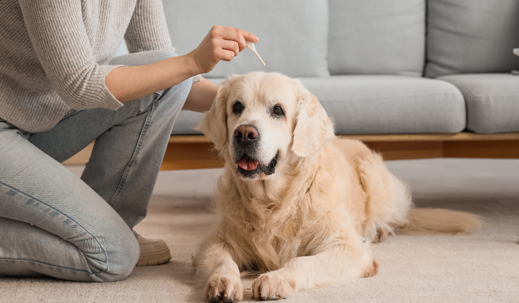
A home treatment plan may fall short if fleas remain on a dog or cat. Pets can continue carrying adult fleas into resting areas, allowing the cycle to continue.
TheUF/IFAS flea guide recommends routine flea care for pets, especially when they may come into contact with infested animals or areas. A veterinarian can recommend the right product based on the pet’s species, size, age, and health needs.
Avoid assuming that a product suitable for one animal is appropriate for another. Cats, dogs, and other pets may require different products and precautions.
Check Outdoor Areas Where Pets Spend Time
Indoor flea control is important, but some infestations also involve outdoor spaces. Fleas may be present in shaded areas, animal resting spots, or parts of the yard where pets spend time.
West Palm Beach homeowners should pay attention to:
- Shaded areas near patios or decks
- Pet resting spots
- Areas used by outdoor animals
- Dense vegetation close to the home
- Spaces where rodents or wildlife may be active
Outdoor treatment does not always mean treating an entire yard. A licensed pest-control professional can help identify which areas need attention and whether an outdoor service is appropriate.
Native Pest Management providesflea control in West Palm Beach for residential and commercial properties. Its service page notes that the initial visit includes identifying the severity of the infestation and checking for related pest concerns.
Do Not Rely On A Single DIY Remedy
Some homeowners look for one household remedy that will solve the problem immediately. The difficulty is that a method that affects adult fleas may not address eggs, larvae, or pupae.
For example, diatomaceous earth is sometimes discussed as a home flea treatment. Native Pest Management’s guide tothe limitations of diatomaceous earth for fleas explains that moisture can reduce its effectiveness and that it may not address every stage of the flea life cycle.
The same principle applies to many DIY approaches: one method may help reduce activity without fully addressing the infestation. A coordinated plan is usually more effective than repeatedly changing products without identifying where fleas are developing.
When Professional Flea Control Makes Sense
Some flea problems can be reduced with careful cleaning and veterinary care. Others are harder to manage without professional support.
Consider scheduling an inspection when:
- Fleas return after repeated cleaning
- You notice activity in several rooms
- Pets continue scratching after receiving appropriate care
- You are unsure whether the yard is contributing to the problem
- You suspect rodents or wildlife may be involved
- You need help choosing a home-treatment plan
Professional flea control typically begins with an assessment of the areas where fleas are most likely to develop. Native Pest Management also explains how professionals check pet resting areas, rugs, upholstery, cracks, crevices, and outdoor spaces in its guide tohow exterminators get rid of fleas.
Request Flea Control In West Palm Beach
Flea infestations often require more than one step. Native Pest Management offers flea-control services for homes and businesses in West Palm Beach, with an initial visit to assess the problem and recommend next steps.
Request a free quote from Native Pest Management to discuss the flea activity in your home and schedule service.
Frequently Asked Questions
Can Fleas Live In A House Without Pets?
Yes. Pets are a common host, but fleas may also be associated with rodents, wildlife, or animals that previously spent time in the home. If fleas appear in a home without pets, it may help to inspect for another animal source.
Is Vacuuming Enough To Get Rid Of Fleas?
Vacuuming is an important first step, but it may not be enough for a moderate or severe infestation. Fleas can develop in protected areas and emerge later. Continued cleaning, pet care, and follow-up treatment may be needed.
How Often Should I Clean During A Flea Infestation?
Clean frequently while flea activity continues. Pay close attention to rugs, carpets, upholstered furniture, floor edges, and pet bedding. The EPA recommends frequent vacuuming during an active infestation.
Do I Need To Treat My Yard For Fleas?
Not every yard needs treatment. Outdoor service may make sense when pets spend time in shaded areas, flea activity continues indoors, or wildlife and rodents are contributing to the problem. A professional inspection can help identify the areas that need attention.
How Long Does It Take To Get Rid Of Fleas?
The timeline depends on the severity of the infestation and whether fleas are present indoors, on pets, or outdoors. Because fleas have several life stages, follow-up and continued cleaning may be needed after the first treament.