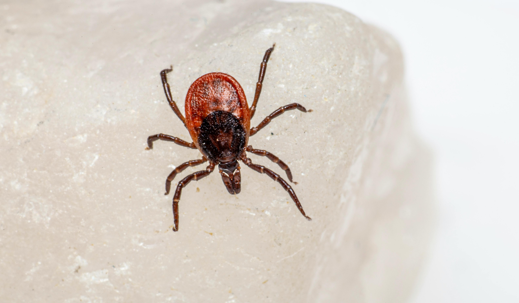
Why Are Ticks So Bad This Year? Here's What to Do in Palm Beach County
If you are asking, “why are ticks so bad this year,” the answer is usually a mix of weather, habitat, wildlife, pets, and more time spent outdoors. In Palm Beach County, warm weather, shaded landscaping, dense vegetation, and frequent rain or irrigation can keep tick-friendly areas active around yards, trails, parks, and pet spaces.
Ticks are active throughout the year in Florida, but the risk can feel higher when people and pets spend more time in grass, brush, and wooded areas. The goal is not to panic. The goal is to reduce the places ticks hide, check for bites early, and get help when activity around the property keeps coming back.
Key Takeaways
- Ticks can be active year-round in Florida.
- Shaded grass, brush, leaf litter, wildlife, and pets can increase exposure.
- Tick prevention should include yard care, pet protection, and body checks.
- Remove attached ticks quickly with fine-tipped tweezers.
- Professional tick control can help when yard activity keeps returning.
Why Are Ticks So Bad This Year In Palm Beach County?
Tick pressure can feel worse during years when outdoor conditions and daily habits overlap. More time in the yard, more pet activity, thick landscaping, and humid outdoor areas can all increase the chance of tick contact.
Nationally, the CDC has reported higher-than-normal emergency room visits for tick bites in many parts of the country this year. Florida’s tick situation is more local and property-specific. UF/IFAS notes that ticks can be found throughout the year in Florida, with seasonal differences in nymph and adult activity. That means Palm Beach County homeowners should think in terms of ongoing prevention rather than a short “tick season.”
The biggest local drivers around homes often include:
- Tall grass near fences or property edges
- Brushy areas where wildlife passes through
- Leaf litter under trees and shrubs
- Shaded, humid spots near patios or sheds
- Pets that spend time outdoors
- Rodents, deer, raccoons, or other wildlife near the yard
Ticks do not need standing water like mosquitoes do. They need hosts and protected, humid places where they can wait for a person or animal to pass by.
Where Ticks Hide Around Palm Beach County Homes
Ticks are usually found in areas where grass, brush, shade, and animal movement overlap. Around Palm Beach County homes, this can include yard edges, hedges, wooded borders, dog runs, trails, and overgrown areas near canals or natural spaces.
Palm Beach County’s warm, rainy climate also supports heavy plant growth. That matters because thick vegetation gives ticks more cover and gives wildlife more places to move through residential areas.
Check these common spots first:
- Fence lines and property borders
- Tall grass near play areas
- Shrubs touching walkways or patios
- Leaf piles under trees
- Mulch beds that stay damp
- Pet resting areas outdoors
- Wooded or brushy sections near the home
If ticks are showing up on pets after they go outside, the source may be close to the yard rather than far away on a trail or park visit.
Which Ticks Matter Most In Florida?
Several tick species live in Florida. Homeowners do not need to identify every species on sight, but it helps to know that different ticks can carry different concerns.
UF/IFAS provides a helpful overview of ticks and disease in Florida, including the fact that both nymphs and adults may transmit diseases they carry. Nymphs can be harder to notice because they are small.
Florida Health also notes that Southern tick-associated rash illness appears to be transmitted by the lone star tick, which is common in Florida. The agency also explains that Rocky Mountain spotted fever is transmitted primarily by the American dog tick in Florida.
That does not mean every tick bite leads to illness. It does mean tick bites should be handled carefully, especially if a rash, fever, headache, muscle pain, or unusual symptoms develop after a bite.
What To Do After You Find A Tick
If you find a tick attached to your skin, remove it as soon as possible. The CDC’s guidance on what to do after a tick bite recommends using fine-tipped tweezers and watching for symptoms after removal.
Basic steps include:
- Use fine-tipped tweezers.
- Grip the tick close to the skin.
- Pull upward with steady pressure.
- Clean the bite area and your hands.
- Save or photograph the tick if you may need help with identification.
- Contact a doctor if you develop a rash, fever, or other symptoms after the bite.
Avoid crushing the tick with your fingers. Also avoid home removal tricks like nail polish, petroleum jelly, or heat. Those methods can delay proper removal.
How To Reduce Tick Exposure Around Your Yard
Tick prevention works best when you combine personal habits, pet care, and yard maintenance. No single step removes every risk, but small changes can reduce the conditions ticks use to survive around the home.
Start with the yard:
- Keep grass trimmed.
- Remove leaf litter near patios, fences, and pet areas.
- Trim shrubs away from walkways and outdoor seating.
- Clear brush near the edges of the property.
- Move wood piles and yard debris away from the house.
- Create cleaner borders between lawn areas and dense vegetation.
Then focus on people and pets. After time outdoors, check ankles, legs, waistbands, hairline, scalp, behind the knees, and underarms. The CDC’s tick bite prevention guidance also recommends checking pets and gear because ticks can ride indoors before attaching later.
For pets, use veterinarian-approved flea and tick prevention. If your dog keeps bringing ticks inside, the yard may need closer attention.
When Professional Tick Control Makes Sense
A single tick after a hike or park visit may not mean your property has a tick problem. Repeated tick sightings around the yard, pets, patio, or indoor entry points are different. That pattern can suggest ticks are finding hosts and hiding places close to the home.
Native Pest Management provides home pest control in Florida, including tick control. For lawn-based pest activity, our treatment plans include an insect-only lawn option for fleas, ticks, and millipedes.
Professional service can help when:
- Pets keep picking up ticks in the yard.
- Ticks are found near patios or play areas.
- The property borders brush, woods, canals, or wildlife corridors.
- Yard cleanup has not reduced activity.
- Fleas and ticks are both showing up.
- You want a plan that covers the property more consistently.
The right approach depends on where ticks are active, what conditions are supporting them, and how people and pets use the yard.
How Native Pest Management Can Help
We serve homeowners in West Palm Beach, Lake Worth, and surrounding areas throughout Palm Beach County through our West Palm Beach pest control services. Our team can inspect the property, look for pest-friendly conditions, and recommend a plan based on what is happening around the home.
For ticks, that may include treating active areas, reviewing lawn and landscape conditions, and helping you reduce the spots where ticks can wait for pets or people. We use pet-friendly service options and explain what we find so you know what to adjust between visits.
Schedule Tick Control In Palm Beach County
If ticks keep showing up on your pets, near your patio, or around your yard, Native Pest Management can help you find the source and build a practical control plan. Schedule a quote with Native Pest Management and tell us where you are seeing tick activity.
Frequently Asked Questions
Why Are Ticks So Bad This Year In Palm Beach County?
Ticks may feel worse this year because they are getting more national attention, Florida ticks can stay active year-round, and local yards often provide shaded, humid areas where ticks can survive.
Are Ticks Active Year-Round In Florida?
Yes. UF/IFAS notes that ticks can be found throughout the year in Florida, although nymph and adult activity can vary by season.
Where Do Ticks Usually Come From In A Yard?
Ticks often come from tall grass, brush, leaf litter, wildlife paths, shaded fence lines, and pet areas. They wait in protected spots for people or animals to pass by.
Can Ticks Live Inside A House?
Some ticks can be carried indoors on pets, clothing, or gear. Most tick problems start outside, but repeated indoor sightings should be checked, especially if pets spend time in the yard.
When Should I Call A Professional For Ticks?
Call a professional if ticks keep appearing on pets, near outdoor living areas, or around the yard after basic cleanup. A technician can inspect the property and recommend a targeted plan.