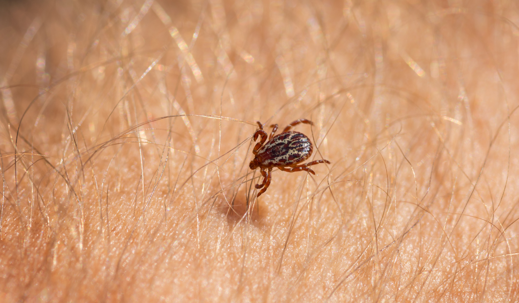
Tick Season: A South Florida Guide
Tick season in South Florida is different from tick season in colder parts of the country. Because Florida stays warm, ticks can be active throughout the year. Activity often feels worse during the warmer, wetter months, especially when people, pets, and wildlife spend more time moving through grass, brush, shaded yards, and wooded edges.
For South Florida homeowners, the main issue is not a single short season. It is repeated exposure around yards, parks, trails, pet areas, and overgrown property borders. Knowing where ticks hide and how to reduce contact can help you protect your household without overreacting.
Key Takeaways
- Ticks can be active year-round in Florida.
- Tick activity often increases during warm, humid months.
- Pets, wildlife, tall grass, and leaf litter can bring ticks closer to homes.
- Tick checks matter after yard work, walks, hikes, and outdoor play.
- Professional tick control can help when activity keeps returning around the yard.
When Is Tick Season In South Florida?
South Florida does not have a clean start-and-stop tick season. UF/IFAS notes that ticks can be found throughout the year in Florida, although the number of nymphs and adults changes by season.
A recent University of Florida public health article notes that tick activity in Florida peaks between April and August, especially in wooded areas where wildlife is present. That makes spring and summer an important time to stay alert, but tick prevention should not stop when August ends.
South Florida’s weather also plays a role. The region’s wet season brings more moisture, heavier plant growth, and more shaded cover. The South Florida Water Management District describes the wet season as the period when most of the year’s rain falls, generally from June through October. Those conditions can support the habitats where ticks wait for hosts.
Why Tick Activity Can Feel Worse Around Homes
Ticks do not fly or jump. They wait on grass, brush, low vegetation, and leaf litter until a host brushes past. That host may be a person, dog, cat, rodent, raccoon, deer, or other animal moving through the area.
Around South Florida homes, tick activity can feel worse when these conditions overlap:
- Tall grass near fences or property edges
- Thick shrubs beside walkways or patios
- Leaf litter under trees
- Brush or wooded areas behind the home
- Pets that spend time outdoors
- Wildlife traffic near the yard
- Outdoor seating or play areas close to vegetation
Ticks are often a yard-edge problem. They may be concentrated where maintained lawn meets brush, palms, hedges, or natural areas.
Where Ticks Hide In South Florida Yards
Ticks need protected areas where they can avoid drying out. In South Florida neighborhoods, they are more likely to be found in shaded, humid, and overgrown places than in open, sunny lawn areas.
Check these spots first:
- Fence lines
- Dense hedges
- Overgrown grass
- Leaf piles
- Mulch beds that stay damp
- Pet resting areas
- Wood piles
- Areas near canals, preserves, or wooded lots
- Trails or paths through vegetation
If your dog keeps picking up ticks after going outside, the source may be closer than you think. A short walk along a hedge, fence, or brushy border can be enough.
Ticks And Pets In South Florida
Pets are one of the most common ways ticks get noticed indoors. Dogs can pick up ticks in the yard, on neighborhood walks, at parks, or near wooded paths. Once attached, ticks may be hidden under collars, inside ears, between toes, around the tail, or in thick fur.
Use veterinarian-approved tick prevention for pets, especially if your dog spends time outside. After walks or yard time, check your pet before ticks have time to attach or move indoors.
Pay close attention to:
- Ears
- Neck and collar area
- Between toes
- Armpits
- Groin area
- Tail base
- Thick fur along the back and belly
If pets keep bringing in ticks, yard treatment and habitat changes may need to be part of the plan.
How To Reduce Tick Exposure During Tick Season
Tick prevention works best when you combine personal checks, pet care, and yard maintenance. You do not need to remove every plant from your yard, but you should reduce the conditions ticks use to survive.
Start with the yard:
- Keep grass trimmed.
- Remove leaf litter near patios and doors.
- Cut back shrubs from walkways.
- Keep play areas away from brushy edges.
- Move wood piles and debris away from the home.
- Clear overgrowth along fences.
- Limit wildlife access where possible.
Then focus on daily habits. After yard work, hiking, outdoor sports, or time in wooded areas, check your body and clothing. Ticks often attach around ankles, behind knees, waistbands, underarms, hairline, scalp, and behind ears.
The CDC recommends removing attached ticks promptly with fine-tipped tweezers. Avoid nail polish, petroleum jelly, heat, or other removal tricks. The goal is to remove the tick as quickly and cleanly as possible.
What To Do If You Find A Tick Bite
If a tick is attached to your skin, remove it carefully. Grip it close to the skin with fine-tipped tweezers and pull upward with steady pressure. Clean the bite area and your hands after removal.
Watch for symptoms after a bite, especially:
- Rash
- Fever
- Headache
- Muscle aches
- Fatigue
- Joint pain
- Swelling or irritation that gets worse
Florida Health notes that Rocky Mountain spotted fever is transmitted primarily by the American dog tick in Florida. UF/IFAS also lists Southern tick-associated rash illness, ehrlichiosis, anaplasmosis, and other tick-related concerns in the state. Most tick bites do not lead to illness, but symptoms after a bite should be taken seriously.
If you feel sick after a tick bite, contact a medical professional. Pest control can reduce exposure around the home, but medical questions should always go to a healthcare provider.
When Professional Tick Control Makes Sense
A single tick after a hike may not mean your yard has a tick problem. Repeated ticks on pets, patios, play areas, or indoor entry points are different. That pattern can suggest ticks are active around the property.
Native Pest Management provides home pest control in Florida and includes tick control among our services. Our treatment plans also include a Quarterly Insect Only Lawn option for fleas, ticks, and millipedes.
Professional support may make sense if:
- Your dog keeps picking up ticks in the yard.
- You are finding ticks near patios or outdoor seating.
- Your property borders brush, canals, or wooded areas.
- DIY yard cleanup has not reduced activity.
- Fleas and ticks are both showing up.
- You want regular exterior service during high-activity months.
Our team can inspect the property, identify tick-friendly areas, and recommend a plan based on how your yard is being used.
How Native Pest Management Can Help
We are a Florida pest control company serving South Florida communities across Miami-Dade, Broward, Palm Beach, Martin, St. Lucie, and Indian River counties. We understand how warm weather, dense landscaping, pets, and outdoor living can increase pest pressure around homes.
For tick concerns, we look at the areas where ticks are most likely to hide and how people and pets move through the property. We can also help with related yard pest concerns through our lawn care services, especially when lawn insects or exterior conditions are part of a larger pest issue.
Schedule Tick Control In South Florida
If tick season feels like it never really ends around your home, Native Pest Management can help you find where activity is coming from and build a practical control plan. Schedule a quote with Native Pest Management and tell us where you are seeing ticks on your property.
Frequently Asked Questions
When Is Tick Season In South Florida?
Ticks can be active year-round in Florida. Activity often increases during warmer months, and University of Florida public health guidance notes that Florida tick activity peaks between April and August.
Are Ticks Worse After Rain?
Rain does not create ticks, but moisture and plant growth can improve the shaded, humid conditions where ticks survive. Wet-season yard growth can make habitat management more important.
Where Do Ticks Usually Hide In A Yard?
Ticks often hide in tall grass, leaf litter, brush, shrubs, fence lines, wooded edges, pet areas, and shaded places where people or animals pass by.
Can Ticks Live Inside My House?
Some ticks can be carried indoors on pets, clothing, or gear. Most tick problems start outdoors, but repeated indoor sightings should be checked, especially if pets spend time outside.
When Should I Call A Professional For Ticks?
Call a professional if ticks keep showing up on pets, near patios, around play areas, or inside the home after basic prevention steps. A technician can inspect the yard and recommend a targeted plan.