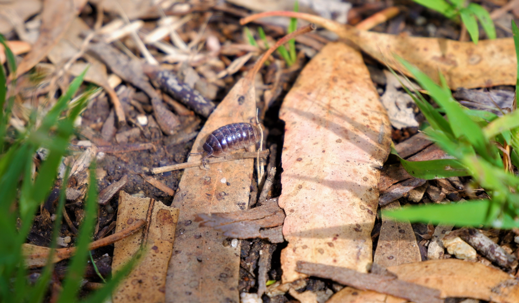
What Do Roly Polys Eat? A South Florida Homeowner's Guide
Roly polys mostly eat decaying plant material, including dead leaves, damp mulch, rotting wood, compost, and other decomposing organic matter. In South Florida yards, they are common around shaded beds, potted plants, patios, crawl spaces, and damp foundation areas because they need moisture to survive.
Most roly polys are not dangerous. They do not bite, sting, or damage your home’s structure. Still, seeing a lot of them near doors, garages, or indoor moisture-prone areas may point to damp mulch, poor drainage, leaf buildup, or too much moisture around the home.
Key Takeaways
- Roly polys mostly eat decaying leaves, mulch, compost, and soft organic debris.
- They are land-dwelling crustaceans, not insects.
- Large numbers may nibble seedlings, tender roots, or low-growing produce.
- Indoor activity often means excess moisture nearby.
- Reducing damp hiding spots is usually the best first step.
What Do Roly Polys Eat?
Roly polys feed mainly on decaying organic matter. The University of Florida’s IFAS Extension notes that pillbugs feed on decaying plant leaves and other decomposing materials, which is why they are often found under leaves, rocks, logs, and other humid cover.
Around South Florida homes, their food sources often include:
- Wet leaf litter
- Old mulch
- Compost
- Rotting wood pieces
- Dead grass clippings
- Soft plant debris
- Fungi growing on damp organic matter
That diet makes roly polys part of the natural cleanup process in the yard. They help break down material that is already dead or decomposing. The problem usually starts when moisture and food collect too close to the house.
Why Roly Polys Like South Florida Yards
Roly polys need damp conditions because their bodies dry out easily. South Florida gives them plenty of places to hide, especially during rainy months. The South Florida Water Management District notes that the wet season in the southern half of Florida typically runs from mid-May through October, when much of the year’s rain falls.
That extra moisture can make certain areas more attractive to roly polys, including:
- Mulch beds that stay wet
- Shaded areas near the foundation
- Piles of leaves or yard debris
- Pots sitting directly on soil or concrete
- Damp garage edges
- Crawl spaces or low-ventilation areas
- Downspout areas where water collects
UF/IFAS also lists mulch and decaying vegetation as common resting areas for pillbugs and sowbugs during the day. At night, they come out to feed.
Do Roly Polys Eat Live Plants?
Roly polys prefer dead and decaying plant material. However, they may sometimes feed on live plant tissue when conditions favor large populations or when tender plants are easy to access.
This is more likely around:
- Seedlings
- Young roots
- Soft lower leaves
- Strawberries or vegetables touching damp soil
- Overwatered garden beds
- Containers with soggy potting mix
If you see plant damage, check at night with a flashlight. Roly polys are nocturnal, so daytime inspections may miss the activity. Damage near the soil line can also come from slugs, snails, caterpillars, or other garden pests, so identification matters before you decide what to do next.
Are Roly Polys Bad For Your Home?
Roly polys do not eat wood framing, bite people, sting pets, or spread through stored food. Indoors, they are usually nuisance pests. They often wander inside by accident through gaps under doors, garage edges, sliding door tracks, or foundation cracks.
However, repeated indoor sightings should not be ignored. Roly polys need moisture, so activity inside may suggest a nearby moisture source. Look for dampness around:
- Exterior door thresholds
- Laundry rooms
- Bathrooms
- Garages
- Baseboards near patios
- Windows with condensation or leaks
- Areas near plumbing lines
If the roly polys are dying shortly after entering, the indoor environment may be too dry for them. If they keep appearing, the outside source population may be close to the entry point.
How To Make Your Yard Less Attractive To Roly Polys
You usually do not need heavy treatment for roly polys. Habitat changes often make the biggest difference because they reduce the food and moisture these pests depend on.
Start with these steps:
- Keep mulch a few inches away from the foundation.
- Remove wet leaves from patios, doorways, and garage edges.
- Lift pots off the ground with plant stands or pot feet.
- Avoid overwatering shaded beds.
- Clear grass clippings and plant debris after yard work.
- Extend downspouts so water drains away from the house.
- Seal gaps around doors, windows, and utility openings.
If roly polys are mostly in garden beds, avoid removing every bit of organic matter. They are part of the soil ecosystem. The goal is to keep damp buildup away from doors, walls, and areas where they can move indoors.
When Roly Polys Point To A Bigger Pest Issue
Roly polys alone are usually not serious. The concern is the environment that supports them. Damp mulch, excess irrigation, poor drainage, and organic buildup can also attract or support other pests.
That matters in South Florida, where warm weather and moisture can keep pest pressure active around the home. If you are seeing roly polys along with ants, cockroaches, silverfish, spiders, or other pests, the issue may be more than a few pillbugs under a pot.
Native Pest Management provides pet-friendly pest control in Florida and serves Miami-Dade, Broward, Palm Beach, Martin, St. Lucie, Indian River, and Leon counties. We also offer lawn care services that include inspections for turf and plant issues that may be tied to insects, fungus, moisture, or other yard conditions.
Get Help With Yard And Home Pest Activity
If roly polys keep showing up inside or you are seeing several types of pests around damp areas, Native Pest Management can inspect the property and identify the conditions that are attracting them. We can help you determine whether the issue is simple moisture buildup, exterior entry points, lawn conditions, or another pest problem.
Schedule a free inspection with Native Pest Management for a clear plan based on what is happening around your home.
Frequently Asked Questions
What do roly polys eat most often?
Roly polys mostly eat decaying plant material, including dead leaves, damp mulch, compost, rotting wood, and soft organic debris.
Do roly polys eat roots?
They usually prefer decaying matter, but they may nibble tender roots or seedlings when populations are high or soil conditions stay very damp.
Why are roly polys coming inside my house?
They often come inside while searching for moisture or shelter. Repeated sightings may point to damp mulch, gaps near doors, poor drainage, or moisture near the foundation.
Are roly polys harmful to pets or people?
Roly polys do not bite, sting, or harm people or pets. Indoors, they are mainly a nuisance and often die if conditions are too dry.
How do I reduce roly polys around my home?
Reduce damp hiding spots. Clear leaf litter, pull mulch back from the foundation, avoid overwatering, improve drainage, and seal small gaps near doors and windows.