How to Stop Ants From Getting Into Pet Food in Tallahassee
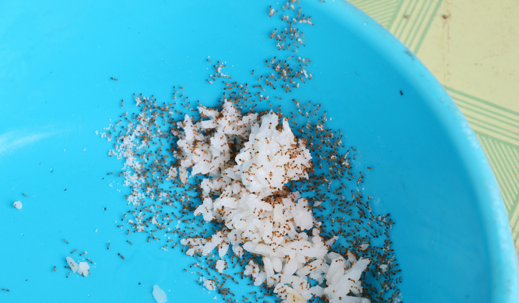
Finding ants around your pet’s food bowl can become frustrating quickly. You clean the dish, wipe the floor, and return a few hours later to find another trail moving toward the same spot.
The bowl is only part of the problem. Ants may also be following crumbs, food residue, moisture, or a reliable route into your home. Some species nest outside and forage indoors. Others establish nests inside wall voids, beneath sinks, or in other protected spaces.
For Tallahassee homeowners, the most effective response starts with a simple routine: limit how long food stays accessible, clean the surrounding area carefully, store pet food in a sealed container, and trace recurring trails before reaching for a pesticide.
Key Takeaways
- Pick up leftover pet food after meals instead of leaving a bowl of kibble available for long periods.
- Clean crumbs, grease, and residue from the bowl, floor, feeding mat, and nearby baseboards.
- Store dry pet food and treats in a sturdy container with a tight-fitting lid.
- Follow visible ant trails to identify where insects may be entering your home.
- Check doors, windows, baseboards, plumbing lines, and utility gaps near the feeding area.
- Do not spray pesticide on or around your pet’s bowls.
- Keep ant baits and treated areas inaccessible to children and pets.
- Request an inspection when trails return after consistent cleaning and food storage changes.
Why Ants Keep Finding Your Pet’s Food Bowl
Ants forage for food and water. A bowl of kibble, wet food, crumbs, or residue can give them a reliable source that remains available every day. Once workers find that source, more ants may appear along the same route.
Pet feeding areas often sit against a wall, near a cabinet, or close to a doorway. These locations make it easier for ants to move along structural edges and reach the bowl without crossing an open area of the floor.
The problem may continue even when the bowl looks empty. Small crumbs can collect beneath the dish, along the edge of a feeding mat, or inside a floor seam. Wet food can also leave residue that dries onto the bowl or nearby surface.
Food left out between meals
Dry food may seem less messy than wet food, but ants can still find it. A bowl that stays on the floor all day gives foraging ants more time to discover the food and return to the same location.
When your pet has finished eating, pick up the food bowl and remove any leftovers. This routine reduces the reward waiting at the end of the trail.
Some pets follow feeding plans that require special handling. Follow your veterinarian’s guidance when your pet needs access to food for medical or behavioral reasons. In those cases, focus on frequent bowl cleaning, sealed food storage, and closer monitoring of the surrounding area.
Crumbs around the feeding station
Small food fragments can fall outside the bowl during meals. Check beneath the dish, around the mat, and along nearby baseboards. Move the bowl during cleanup instead of wiping only the visible area around it.
A washable tray or feeding mat can make routine cleaning easier. The goal is not to add another permanent surface where food collects. Choose one you can lift, rinse, and dry regularly.
Pet-food bags that do not close securely
An open bag of kibble can attract pests even when the food bowl is clean. Folded packaging and clips may not create a reliable seal, especially when a large bag stays open for weeks.
Transfer dry food into a sturdy container with a tight-fitting lid. Keep treats and supplemental foods sealed as well. Clean spilled kibble from the storage area promptly.
Moisture near the bowl
Water spills can make a feeding station more attractive to pests. Check the floor after your pet drinks, especially when the water bowl sits beside a wall or cabinet.
Do not remove drinking water your pet needs. Instead, refresh the bowl regularly, wipe up spills, and keep the area dry between cleanings.
How to Clean a Pet-Feeding Area After Finding Ants
Cleaning the bowl alone may not solve the problem. Ants can continue returning when food residue remains on the floor, beneath a mat, or along the path they used to reach the feeding station.
Step 1: Pick up the food bowl
Remove the bowl as soon as you notice ants. Discard food that contains insects and wash the dish before using it again.
Do not return fresh food immediately if ants are still active around the same area. Give yourself time to clean the full feeding station and inspect the route they followed.
Step 2: Vacuum or sweep crumbs
Move the bowl, mat, food container, and nearby items. Remove visible crumbs and food fragments from the floor, baseboards, cabinet edges, and corners.
Check beneath appliances or shelving when the feeding area sits nearby. A few pieces of kibble can roll into a hidden spot and remain available long after the bowl has been removed.
Step 3: Wash the surrounding surface
Wipe the floor, baseboards, and feeding mat with a suitable household cleaner for the surface. Clean the bowl with soap and water, then rinse and dry it before refilling.
Focus on residue as well as visible insects. A quick wipe across the center of the floor may miss food particles collecting along the edges.
Step 4: Clean the food-storage area
Inspect the bag, container, shelf, or cabinet where you keep pet food. Remove spilled kibble and check whether the lid closes fully.
If ants have reached the storage container, empty and clean the surrounding area before returning the food. Replace damaged containers that no longer create a tight seal.
Step 5: Monitor the area
After cleaning, watch for new activity. A few ants may still appear while you determine where they are entering. Repeated trails suggest that the colony still has access to the room or another food source remains available.
How to Find the Ant Trail
Ant control works better when you understand where the insects are coming from. The UF/IFAS guide to ants around Florida homes explains that inspection and nest location are important parts of successful ant management.
Start at the bowl and work backward. Watch where ants move after leaving the feeding area. They may follow a baseboard, cabinet edge, door frame, plumbing line, or small floor gap.
Check the edges of the room
Ants often travel along protected edges. Look behind the food bowl, beneath nearby cabinets, and along the baseboards. Use a flashlight when the trail disappears into a corner or narrow seam.
Inspect nearby doors and windows
Check gaps beneath exterior doors, worn weather stripping, window frames, and sliding-door tracks. A small opening can be enough for ants to enter.
Pay closer attention when the feeding station sits near a patio door, garage entrance, laundry-room door, or mudroom.
Look around pipes and utility lines
Inspect the areas where plumbing, cables, or utility lines pass through a wall. Small gaps around these penetrations can create hidden routes into kitchens, laundry rooms, and utility spaces.
Walk the exterior perimeter
Look at the outside wall closest to the feeding station. Check for cracks, gaps, ant trails, vegetation touching the structure, and areas where moisture collects.
The UF/IFAS integrated pest-management guidance recommends inspecting cracks, crevices, spaces around windows and doors, plumbing penetrations, and utility gaps. It also recommends trimming vegetation that touches the home.
Where Ants May Be Nesting
Finding ants in a pet bowl does not always mean the nest is directly behind the dish. Workers may travel from another room or from an outdoor colony near the foundation.
Soil near the foundation
Some ants build nests outside near walls, patios, sidewalks, driveways, and foundations. Workers may enter the home through a small structural gap when food becomes available indoors.
Look for trails moving along the exterior wall rather than relying only on visible mounds. Not every species creates a noticeable mound.
Wall voids and hidden indoor spaces
Some house-infesting ants may nest inside wall voids, beneath sinks, or in other protected areas. A recurring trail that disappears into a wall gap can be a sign that the source is not limited to the yard.
Do not open walls or disturb hidden spaces on your own. Document the trail and request professional support when activity continues.
Potted plants and damp areas
Houseplants, damp soil, and moisture near plumbing can support ant activity. Inspect plants near the feeding station and empty standing water from saucers when appropriate for the plant.
Fix leaks and wipe up recurring moisture instead of treating the food bowl as the only problem area.
Vegetation touching the home
Branches, shrubs, and vines can create routes toward windows, rooflines, and exterior walls. Trim vegetation so it does not touch the structure.
This step improves visibility as well. A clear perimeter makes trails and entry points easier to notice during routine checks.
How to Make Pet-Feeding Areas Less Attractive to Ants
Use scheduled feeding times when appropriate
Place the bowl down during mealtime and remove it after your pet has finished eating. This limits the amount of time ants can access the food.
Do not leave wet food sitting out for long periods. Remove leftovers and wash the bowl before the next meal.
Store pet food in sealed containers
Keep kibble, treats, and supplemental foods in containers with tight-fitting lids. Store scoops cleanly and wipe up spills around the container.
Do not leave an open food bag beside the bowl. Even a clean feeding station will remain attractive when ants can reach the storage area nearby.
Wash bowls regularly
Food residue can build up around the rim and base of the bowl. Wash dishes routinely and clean beneath them.
Use separate cleaning tools when appropriate and follow your usual pet-care routine for washing food and water dishes.
Keep the floor clear
Remove crumbs after meals and clean dried residue before it accumulates. Check corners, grout lines, seams, and the space beneath a feeding mat.
Manage nearby trash
Keep trash containers closed and remove food waste regularly. A pet-feeding station can become part of a larger pest problem when trash, dirty dishes, and spills remain accessible in the same room.
Check for water sources
Fix plumbing leaks and wipe up water near bowls, sinks, and appliances. Moisture can keep pests active even after you improve food storage.
What Not to Do Around Pet Food and Ant Trails
Do not spray pesticide on or near the bowl
Do not apply insecticide directly to a feeding station, pet-food container, water bowl, or surface where your pet eats. Remove bowls before any pest-control work begins.
The EPA’s household pest-control guidance recommends keeping pets and children away from areas where pesticides have been applied and following the product label carefully.
Do not place bait where your pet can reach it
Ant bait may be part of a control plan for some species, but placement matters. Keep every bait station inaccessible to pets and children. Do not place loose or homemade bait beside a food or water bowl.
Follow the product label exactly or ask a pest-control professional to choose an appropriate approach for your home.
Do not rely only on killing visible ants
Removing the ants around the bowl may provide temporary relief, but it does not necessarily address the colony. A recurring trail requires a broader inspection.
Do not ignore food stored elsewhere
Check treats, food bags, trash cans, dirty dishes, crumbs beneath appliances, and any feeding stations in other rooms. Ants may move between several food sources.
Do not seal a gap without checking the broader pattern
Closing entry points can support prevention, but first confirm where ants are traveling. A professional inspection can help when trails appear in several places or disappear into inaccessible areas.
Do Ants Around Pet Food Create Health or Property Concerns?
Ants near a pet-food bowl are often a nuisance and sanitation issue. Their presence signals that food, water, or an entry route remains accessible.
Different species create different concerns. Some ants remain limited to foraging activity. Others may nest inside structures or sting when disturbed. Identification matters when the problem continues or the ants appear in several parts of the home.
Food contamination
Discard pet food that contains ants. Wash the bowl and refill it with fresh food after cleaning the area.
Do not mix contaminated food back into a storage container. Check the container before refilling the bowl.
Recurring indoor trails
A trail that returns after cleanup suggests the ants still have access to the room or another food source remains nearby. Trace the route and look for gaps, moisture, or hidden spills.
Stinging ants outdoors
If you notice mounds or aggressive ant activity near the feeding area, patio, or yard, keep children and pets away from the area and request an inspection. Do not disturb the mound.
When to Request Professional Ant Control
Routine cleanup and sealed food storage may solve an isolated problem. Professional support becomes more useful when trails return despite consistent prevention or when the source remains difficult to locate.
Consider requesting an inspection when:
- Ant trails reappear after you remove food and clean the area.
- Ants enter through several gaps or appear in multiple rooms.
- The trail disappears into a wall void, cabinet, or inaccessible space.
- You find outdoor mounds or stinging ants near areas your household uses.
- You are unsure which ant species is active.
- You want a treatment plan designed around a home with pets.
Native Pest Management provides ant-control services in Tallahassee. Its local service approach includes tracking trails, identifying hidden colonies, assessing entry points, and selecting treatments based on the behavior of the ant species present.
What a professional inspection should cover
A thorough inspection should look beyond the pet-food bowl. The service professional should evaluate the feeding station, nearby rooms, food-storage areas, moisture sources, visible trails, exterior gaps, landscaping, and the perimeter of the home.
This broader view helps determine whether ants are entering from outdoors, nesting inside the structure, or following several food and water sources.
What an ant-control plan may include
The right plan depends on the species, nest location, and activity pattern. A professional may recommend sanitation changes, exclusion work, monitoring, and targeted treatment.
Your daily habits remain important between visits. Sealed pet-food storage, clean bowls, dry floors, and prompt spill cleanup make the feeding area less rewarding for ants.
Bottom Line: Remove the Food Reward and Trace the Trail
Keeping ants out of your pet’s food takes more than wiping the bowl once. Start by removing leftovers after meals, cleaning crumbs and residue, sealing bulk pet food, wiping up water spills, and checking where the ants enter the room.
Follow the trail before assuming the bowl is the full problem. Ants may be moving through a door gap, window frame, plumbing penetration, utility opening, wall void, or outdoor route along the foundation.
If ants continue returning after you improve the feeding routine and clean the surrounding area, request a free quote from Native Pest Management to discuss ant activity in your Tallahassee home.
Frequently Asked Questions
Why do ants keep returning to my pet’s food bowl?
Ants return when food, residue, moisture, or another attractant remains accessible. Clean the bowl, floor, mat, baseboards, and food-storage area. Then follow the trail to look for the entry point.
Should I leave dry pet food out all day?
Leaving kibble accessible for long periods gives ants more time to find it. When appropriate for your pet, use scheduled feeding times and remove leftovers after meals. Follow your veterinarian’s advice when your pet requires a different feeding routine.
How should I store dry pet food?
Use a sturdy container with a tight-fitting lid. Clean spills around the container and keep treats sealed as well. Avoid relying only on a folded bag or clip for long-term storage.
Can I spray insecticide around my pet’s bowl?
No. Do not spray pesticide on or near food bowls, water dishes, or feeding surfaces. Remove pet items before pest-control work begins and follow the product label carefully.
Can I place ant bait beside the food bowl?
No. Keep ant bait inaccessible to pets and children. Do not place loose or homemade bait next to food or water dishes. Follow the product label or ask a professional to select a suitable approach.
Why do ants return after I clean the floor?
Cleaning removes food residue, but the colony may still have access to the room. Look for gaps around doors, windows, baseboards, pipes, and utility lines. Check for other food or water sources nearby.
Do I need to remove my pet’s water bowl?
Your pet still needs appropriate access to drinking water. Keep the bowl clean, refresh the water regularly, and wipe up spills around the feeding station.
When should I call a pest-control professional?
Request an inspection when ants continue returning after cleanup, appear in several rooms, enter through inaccessible areas, or form outdoor mounds near spaces used by children or pets.