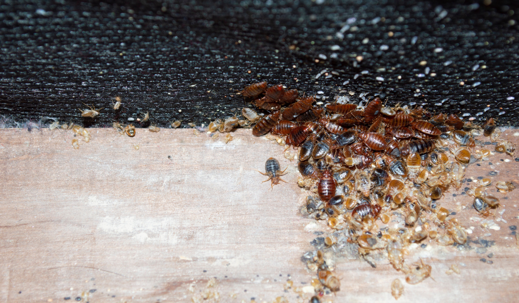
Avoiding Bed Bugs From Used Furniture in Fort Lauderdale
A secondhand couch, dresser, bed frame, or upholstered chair can be a practical purchase. However, used furniture can also give bed bugs a way into your home when insects or eggs remain hidden in seams, folds, joints, or narrow cracks.
Bed bugs are skilled hitchhikers. Their flat bodies allow them to hide in small spaces, and a piece of furniture can look clean at first glance while still holding signs that are easy to miss. That does not mean every used item is infested. It does mean that inspection should happen before the furniture enters your Fort Lauderdale home.
This guide explains which used items deserve the closest attention, how to inspect them, which signs matter most, and when a professional bed-bug inspection may be the safer next step.
Key Takeaways
- Inspect secondhand furniture before bringing it into your home.
- Do not bring mattresses, box springs, bed frames, couches, or other furniture found on the street into your home.
- Pay close attention to seams, folds, piping, cushion edges, drawer joints, screw holes, cracks, and the underside of the item.
- Look for live bugs, rusty or reddish stains, dark spots, tiny eggs, eggshells, and shed skins.
- Do not rely on bite marks alone to confirm or rule out bed bugs.
- Keep a suspicious item outside the living space and avoid moving it from room to room.
- Do not spray a used couch, mattress, or chair with a random pesticide or use an outdoor pesticide indoors.
- Request professional support when you find signs, cannot inspect the full item, or have already brought a suspicious piece indoors.
Why Used Furniture Can Carry Bed Bugs
Bed bugs spread by hiding in belongings and moving with them. The bed-bug overview from the CDC explains that these insects can travel in the seams and folds of luggage, clothing, bedding, furniture, and other items that give them a protected hiding place.
Furniture creates several opportunities for bed bugs to remain concealed. Upholstered pieces contain seams, fabric folds, cushion edges, and internal gaps. Wooden furniture can contain joints, screw holes, cracks, and drawer tracks. Bed frames, headboards, mattresses, and box springs deserve especially careful attention because bed bugs tend to stay close to areas where people sleep or rest.
Bed bugs hide in narrow spaces
Bed bugs can fit into very small cracks. The EPA guide to finding bed bugs notes that they may hide near mattress seams and tags, box springs, bed frames, headboards, couch seams, cushion folds, drawer joints, and even screw heads.
A quick look at the visible surface is not enough. Turn the item over when it is safe to do so and inspect every accessible edge.
A clean appearance does not guarantee a bed-bug-free item
Bed bugs are not a sign that a person or home is dirty. They can move through clean spaces when they hitchhike on furniture, luggage, bags, bedding, or clothing.
Fresh upholstery, a recently wiped surface, or a seller’s reassurance should not replace inspection.
Used furniture is not the only source
Secondhand furniture is one possible pathway, but bed bugs can also travel on luggage, bags, bedding, clothing, and other belongings. If activity appears after a furniture purchase, inspect the broader room rather than assuming the item is the only possible source.
Which Used Furniture Items Need the Closest Inspection?
Any secondhand furniture can deserve attention, but some items provide more hiding places or spend more time close to people while they rest.
Mattresses and box springs
Mattresses and box springs contain seams, piping, tags, folds, and internal spaces where bed bugs may hide. Street-discarded mattresses and box springs should stay outside your home.
The used-furniture prevention guidance from the University of Minnesota Extension recommends not bringing furniture, mattresses, box springs, or bed frames found on the street into the home.
Couches, recliners, and upholstered chairs
Upholstered seating deserves a slow inspection because bed bugs can hide between cushions, beneath fabric folds, along piping, around zippers, and inside cracks in the frame.
Pay extra attention to furniture used for sleeping or long periods of rest.
Bed frames and headboards
Wooden and upholstered bed frames can contain cracks, joints, hardware openings, and fabric edges. Check the front, back, underside, legs, and connection points.
Dressers and nightstands
Remove drawers when the construction allows it and inspect joints, tracks, corners, and the underside. EPA includes drawer joints among the places bed bugs may hide when an infestation becomes established.
Wooden chairs, tables, and shelves
Hard furniture usually provides fewer fabric hiding places, but it is not automatically risk-free. Inspect joints, holes, cracks, and any upholstered pads or attached fabric.
Signs of Bed Bugs on Used Furniture
Inspect for a combination of clues. One stain or speck does not automatically confirm bed bugs, but several signs in the same area deserve attention.
Live bed bugs
Adult bed bugs are small, flat, oval insects. Nymphs are smaller and can be harder to see, especially before feeding.
Use a flashlight and examine the item slowly. Bed bugs may remain hidden until a seam, cushion, drawer, or panel is moved.
Rusty or reddish stains
Reddish stains can appear when bed bugs are crushed. Check light-colored fabric, mattress seams, cushion covers, and the underside of upholstered items.
Dark spots
Dark specks or streaks may be bed-bug excrement. EPA notes that these marks may bleed into fabric in a way that resembles ink from a marker.
Eggs and eggshells
Bed-bug eggs are tiny. EPA describes eggs and eggshells as approximately 1 millimeter in size. Check narrow protected areas where the item has not been disturbed.
Shed skins
Bed bugs shed their exoskeletons as they grow. Pale or translucent skins near seams, cracks, or cushion edges can support a suspected identification.
Bite marks are not enough
Bites can vary from one person to another and may take time to appear. The CDC recommends looking for other clues, including shed skins, live bugs, and rusty-colored spots.
Do not purchase or treat an item based only on a skin reaction. Look for physical evidence and request professional identification when needed.
How to Inspect Used Furniture Before Bringing It Home
Inspect furniture before it enters your car, building, garage, or living space whenever possible. A bright, open area makes the process easier.
Step 1: Ask where the item came from
Ask the seller whether the furniture has been stored, whether it came from a bedroom, and whether the home has had any recent bed-bug concerns.
An answer cannot guarantee the item is clear, but it can help you decide whether the risk is acceptable.
Step 2: Avoid street-discarded furniture
Do not bring home a couch, mattress, bed frame, or other item left on the curb. You usually do not know why it was discarded or whether it came from an infested home.
Step 3: Use a flashlight
Look along seams, tags, folds, piping, zippers, and stitching. Check beneath cushions and along the edges where fabric meets the frame.
Step 4: Inspect the underside
Turn the item over when it is safe to do so. Check the dust cover, legs, staples, frame joints, hardware openings, cracks, and any torn fabric.
Do not dismantle an item in a way that creates a safety risk or damages the furniture.
Step 5: Remove drawers and cushions when possible
Inspect drawer tracks, corners, joints, cushion seams, and the spaces beneath removable components.
Step 6: Check screw holes and narrow joints
Small hardware openings can provide hiding places. Inspect the areas where boards connect and where the frame meets upholstery.
Step 7: Walk away when signs appear
Do not bring a suspicious item home with the intention of solving the issue later. Leaving the item behind is usually safer than introducing bed bugs into your home.
How to Reduce Risk After Buying Used Furniture
A visual inspection lowers risk, but it cannot guarantee that a used item is bed-bug free. Take additional precautions before placing the furniture in a bedroom or frequently used living area.
Inspect the item again before bringing it inside
Use a well-lit area and repeat the inspection after transportation. Look for anything you may have missed during the first check.
Vacuum accessible cracks and crevices
Vacuum the seams, folds, underside, joints, and accessible gaps. Dispose of the vacuum contents promptly in a sealed bag outside the home.
EPA recommends frequent vacuuming as one way to remove successful hitchhikers and reduce hiding opportunities.
Keep the item separate when concerns remain
Do not place a questionable couch, chair, or bed frame directly in a bedroom. If you cannot inspect the item fully or remain uncertain, request professional guidance before moving it into the living space.
Use encasements for mattresses and box springs
EPA recommends high-quality encasements for mattresses and box springs. Encasements reduce hiding spots and make future inspections easier.
Inspect the encasement regularly for tears or openings.
Monitor resting areas
Pay attention to the area around beds and upholstered seating after a used-furniture purchase. Interceptor traps beneath furniture legs may support monitoring when used as directed.
What Not to Do With Suspicious Used Furniture
Do not move the item from room to room
If you suspect bed bugs after bringing an item indoors, limit movement. Carrying furniture through the home can spread insects to additional areas.
Do not discard furniture without wrapping it
Native Pest Management’s bed-bug treatment guidance warns that bed bugs can fall from furniture while it is being moved. Wrap a suspicious item tightly before moving it and ask your pest-control provider how to handle removal.
Do not use random pesticides
Do not spray furniture, mattresses, bedding, or indoor surfaces with a product unless the label specifically permits that use. Do not use outdoor pesticide products indoors.
The EPA pesticide guide for bed bugs recommends using registered products appropriately and consulting a pest-management professional when needed.
Do not rely on foggers
Foggers do not replace inspection and targeted treatment. Bed bugs hide in cracks, seams, and other protected spaces that a broad spray may not reach effectively.
Do not assume sunlight or a hot car will solve the problem
Improvised heat treatment can fail when the item does not reach the required temperature evenly. It can also create safety concerns or damage furniture.
EPA explains that heat treatment must meet specific temperature and time requirements to address all life stages. Professional treatment is the safer choice when an item may be infested.
What to Do if You Find Signs After Bringing Furniture Inside
Finding signs after the item enters your home does not mean you should panic. It does mean that you should avoid spreading the problem while you request a closer inspection.
Keep the furniture in place
Avoid moving the item through hallways, bedrooms, elevators, or shared areas unless a professional gives you a safe handling plan.
Document what you see
Take clear photos of bugs, stains, shed skins, eggs, or suspicious spots. Note where the item has been placed and which rooms it passed through.
Check nearby resting areas
Inspect nearby couches, beds, headboards, baseboards, and furniture joints. Bed bugs tend to stay close to places where people sleep or rest.
Contact a professional
The CDC bed-bug guidance recommends contacting an experienced pest-control company when you suspect an infestation.
If you live in a condo, apartment, or other multifamily property, notify the property manager promptly. Bed bugs may require inspection beyond one unit.
How Professional Bed-Bug Control Works
Bed-bug control works best when the plan starts with inspection and uses more than one tactic. EPA describes integrated pest management as a multi-part approach that may include nonchemical and chemical methods.
Inspection comes first
A technician should inspect the areas where bed bugs are likely to hide, including furniture seams, mattress edges, box springs, bed frames, headboards, baseboards, and nearby cracks.
Native Pest Management offers residential pest-control services in Fort Lauderdale and lists bed bugs among the pests it treats.
Treatment depends on the findings
The right plan depends on the severity of the infestation, the rooms involved, and the hiding areas identified during inspection. Preparation instructions matter because moving belongings incorrectly can spread activity.
Follow-up matters
Native Pest Management describes a follow-up inspection 14 days after its initial bed-bug treatment. If signs remain, the company states that it performs a complimentary retreatment.
Ask which follow-up visits, preparation steps, and warranty terms apply to your home before approving service.
Inspect Before the Furniture Enters Your Home
The safest time to check for bed bugs is before a used couch, bed frame, mattress, dresser, or upholstered chair enters your Fort Lauderdale home. Avoid street-discarded furniture, inspect seams and joints carefully, and walk away when you find live bugs, dark spots, reddish stains, eggs, or shed skins.
A visual inspection reduces risk but does not guarantee that an item is clear. When a piece is difficult to inspect, has already entered your home, or shows suspicious signs, professional support can help you avoid spreading activity from one room to another.
If you suspect bed bugs, request a free quote from Native Pest Management to discuss an inspection for your Fort Lauderdale home.
Frequently Asked Questions
Can bed bugs live in used furniture?
Yes. Bed bugs can hide in seams, folds, cracks, joints, drawer tracks, screw holes, mattresses, box springs, bed frames, couches, and other furniture.
Should I bring home furniture left on the curb?
No. Do not bring street-discarded furniture, mattresses, box springs, or bed frames into your home. You usually cannot confirm why the item was discarded.
What should I check on a used couch?
Inspect cushion seams, piping, zippers, fabric folds, the underside, frame joints, legs, staples, torn fabric, and the spaces beneath removable cushions.
Can I tell whether furniture has bed bugs from bites alone?
No. Bite reactions vary and may take time to appear. Look for live bugs, shed skins, reddish stains, dark spots, eggs, and eggshells.
Can I spray a used couch before bringing it inside?
Do not spray furniture with a random pesticide. Use only a product labeled for the specific indoor use and follow the instructions carefully. Request professional guidance when you suspect bed bugs.
Will leaving furniture in the sun kill bed bugs?
Do not rely on sunlight or a hot car. Effective heat treatment requires the item to reach and maintain specific temperatures throughout. Improvised treatment may fail or create safety concerns.
What should I do if I already brought suspicious furniture indoors?
Keep the item in place, avoid moving it through the home, document the signs, inspect nearby resting areas, and request professional help.
When should I call a pest-control professional?
Request an inspection when you find live bugs, eggs, shed skins, dark spots, reddish stains, or suspicious activity after bringing used furniture indoors