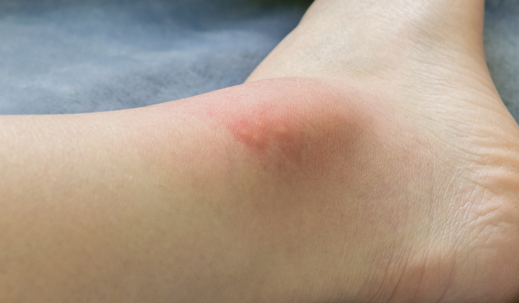
Why Mosquitoes Bite Ankles in Fort Lauderdale
Mosquito bites around your ankles can make a short walk through the yard or an evening on the patio uncomfortable. The pattern usually has a practical explanation: ankles and lower legs often stay uncovered, especially when you wear shorts, sandals, or low-cut shoes.
Nearby landscaping and standing water can also keep mosquitoes close to outdoor living areas. This guide explains why bites often show up near your ankles, how to reduce your exposure, and when professional mosquito control may help.
Key Takeaways
- Mosquitoes do not exclusively target ankles. Lower legs are often easy to reach because they stay uncovered during outdoor activities.
- Only female mosquitoes bite people and animals. They take a blood meal to support egg production.
- Mosquito saliva can trigger itching, swelling, and raised bumps around the bite area.
- Bite appearance alone cannot confirm the pest. Fleas and other biting insects may leave similar marks on the lower legs.
- Draining standing water, covering exposed skin, repairing screens, and using an EPA-registered repellent can help reduce mosquito bites.
Why Do Mosquitoes Bite Your Ankles?
Mosquitoes do not reserve their bites for a specific part of the body. Ankles often become a common contact point because they remain exposed while you walk, sit, garden, or spend time outside. Sandals, shorts, and low-cut shoes leave the lower legs accessible, especially near grass, shrubs, planters, and patio furniture.
Only female mosquitoes bite people and animals. They take a blood meal to produce eggs. During feeding, a mosquito injects saliva into the skin. Your body may react with a puffy bump, itching, redness, or swelling. Reactions vary from one person to another, as explained in this overview of mosquito bite reactions.
Mosquitoes can bite during the day or night, depending on the species. A bite near your ankle does not reveal when the mosquito was active or where it came from. Instead, look at the conditions around your home and the pattern of bites over time.
How to Identify Mosquito Bites on Your Ankles
Common Signs of a Mosquito Bite
A mosquito bite may appear as a small, raised bump that becomes itchy soon after the bite. Some people notice mild redness or swelling. Others develop a larger irritated area. The reaction often becomes more noticeable after scratching.
Bites may appear on one ankle, both ankles, or other exposed areas such as the arms and lower legs. A few isolated welts after time outdoors may point to mosquitoes, especially if you have also noticed mosquito activity around your yard.
When Another Pest May Be Involved
Not every itchy mark near your ankles comes from a mosquito. Fleas and other biting insects can leave similar skin reactions. If bites continue to appear indoors, show up repeatedly after sleep, or affect other members of your household, take a closer look at the surrounding conditions.
Bite appearance alone cannot reliably identify the pest. Look for insects near windows, doors, pet bedding, outdoor seating areas, and shaded landscaping. A professional inspection may help when the source remains unclear.
How Mosquitoes Get Inside Your Home
Mosquitoes can enter through open doors, damaged screens, and gaps around windows. Some species can live indoors as well as outdoors. Check screens for holes, keep doors closed when possible, and pay attention to rooms near patios, balconies, or frequently used entrances.
Florida health guidance recommends covering doors and windows with screens to help keep mosquitoes outside. Screens become especially important during warm, humid periods when outdoor mosquito activity increases.
Why Mosquito Activity Increases Around Your Home
Standing Water Supports the Mosquito Life Cycle
Mosquitoes need water during the early stages of their life cycle. Eggs, larvae, and pupae develop in or near water before adult mosquitoes emerge. The full life cycle can move quickly when conditions support development.
Small containers can create breeding sites around a home. Buckets, toys, plant saucers, clogged gutters, pool covers, birdbaths, pet bowls, and discarded items can collect rain or sprinkler water. Florida’s Drain and Cover guidance recommends emptying containers, cleaning birdbaths and pet bowls regularly, and removing unused items that hold water.
Shaded Areas Give Adult Mosquitoes Places to Rest
Standing water creates breeding sites, but adult mosquitoes also need places to rest. Thick vegetation, shaded corners, damp landscaping, and sheltered areas near patios can keep mosquito activity close to the spaces where you spend time outside.
Walk around your yard and check dense shrubs, overgrown plants, drainage areas, and locations that remain damp after rain or irrigation. A small amount of routine yard maintenance can make these areas easier to inspect and manage.
Outdoor Living Areas Increase Exposure
Patios, decks, outdoor dining areas, and garden spaces can place you close to mosquito activity. Lower-leg bites become more likely when you sit outside with uncovered ankles near landscaping or containers that collect water.
Pay attention to where bites happen most often. A recurring pattern near one seating area, doorway, or section of the yard can help narrow your inspection.
Health Risks Linked to Mosquito Bites
Mosquito bites on your ankles carry the same health concerns as bites anywhere else on your body. Most bites cause temporary itching or swelling. However, some mosquitoes can spread germs that make people sick.
Mosquito-borne illness depends on the species, location, and local conditions. Preventing bites remains the most practical way to lower your exposure. The facts on mosquito activity and disease transmission explain why bite prevention matters even when most bites cause only mild irritation.
Avoid scratching whenever possible. Scratching can irritate the skin and make the bite harder to manage. Contact a healthcare professional if you develop concerning symptoms or a strong reaction after a bite.
How to Prevent Mosquito Bites Around Your Ankles
Cover Exposed Skin
Wear socks, closed shoes, or longer pants when mosquito activity becomes noticeable around your yard. Covering the lower legs gives mosquitoes less exposed skin to reach while you garden, walk the dog, or spend time on the patio.
Use an EPA-Registered Repellent
Apply repellent to exposed skin and follow the product label carefully. The recommended mosquito-bite prevention steps include using an EPA-registered insect repellent and wearing clothing that covers exposed skin.
Check the label before applying a product to clothing. Follow the instructions for reapplication, age restrictions, and safe use.
Inspect Your Yard Every Week
Look for water after rain, irrigation, or yard work. Empty small containers, clear clogged gutters, refresh birdbaths, and check plant saucers. Remove items that no longer serve a purpose but still collect water.
A weekly inspection can help you catch new breeding sites before mosquito activity increases near your home.
Repair Screens and Limit Easy Entry Points
Check screens around windows, doors, and patios. Repair holes and make sure screens fit securely. Close doors promptly, especially when outdoor lights or frequent foot traffic draw activity near an entrance.
When to Consider Professional Mosquito Control
Routine prevention can reduce mosquito activity, but some properties need additional support. Professional mosquito control may help when bites continue despite weekly water removal, screen repairs, and personal protection habits.
A complete integrated mosquito-control approach combines habitat removal, structural barriers, larval control, and adult mosquito control. Treating only one part of the problem may leave other sources of activity in place.
What a Mosquito Inspection Should Cover
A professional inspection should look for standing water, shaded resting areas, dense vegetation, drainage issues, and other conditions that support mosquito activity. The goal is to understand where mosquitoes may be developing and where adults may be resting near outdoor living spaces.
This property-level review matters because two neighboring homes can face different mosquito pressures based on landscaping, irrigation, drainage, and nearby water sources.
What Native Pest Management’s Mosquito Service Includes
Native Pest Management begins its mosquito-control service with a landscape inspection for standing water. The treatment plan includes biological larvicides in standing-water areas and landscape treatment for adult mosquitoes and potential resting areas. Recurring service helps address new activity as outdoor conditions change.
Native Pest Management serves communities across Miami-Dade, Broward, Palm Beach, Martin, St. Lucie, Indian River, and Leon counties. Review the company’s Florida service area to confirm availability near your home.
Mosquitoes do not specifically prefer ankles, but exposed lower legs often become easy targets during time outdoors. Standing water, shaded landscaping, and open entry points can keep activity close to your home.
Start with the basics: cover exposed skin, use an EPA-registered repellent, repair screens, and drain water every week. If bites continue around your yard, request a free quote from Native Pest Management to discuss a mosquito-control plan for your property.
Frequently Asked Questions
Why Do Mosquitoes Bite My Ankles More Than Other Body Parts?
Your ankles and lower legs often stay uncovered when you wear shorts, sandals, or low-cut shoes. They may also sit close to grass, shrubs, and shaded outdoor areas where mosquitoes rest. Mosquitoes can bite other exposed areas as well.
Do Mosquitoes Always Fly Close to the Ground?
No. Mosquito behavior varies by species and surrounding conditions. Ankle bites often result from exposed skin and nearby outdoor activity rather than a universal flight pattern.
How Can I Tell a Mosquito Bite From a Flea Bite?
Mosquito bites and flea bites can look similar. Bite appearance alone may not identify the pest reliably. Look at where the bites appear, when they develop, and whether you notice pest activity indoors, around pets, or outside.
Can Mosquitoes Breed in a Small Amount of Water?
Yes. Some mosquitoes can use small containers that hold water. Check buckets, toys, plant saucers, birdbaths, pet bowls, gutters, and other items after rain or irrigation.
How Often Should I Check My Yard for Standing Water?
Inspect your yard at least once a week and after heavy rain. Empty containers, clean water bowls and birdbaths, and remove unused items that collect water.
When Should I Call a Mosquito-Control Professional?
Consider professional support when mosquito bites continue despite regular water removal, screen repairs, protective clothing, and repellent use. An inspection can identify breeding sites and resting areas that may be easy to miss.