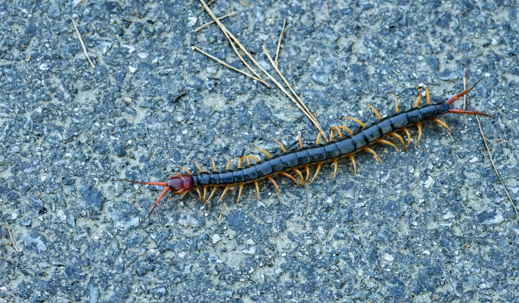
What Attracts Centipedes to Melbourne Garages?
Spotting a centipede darting across your garage floor can be unsettling. These many-legged arthropods move quickly, often appear after dark, and tend to disappear beneath shelving or stored items before you can take a closer look.
A centipede sighting does not mean the animal is damaging your garage. Centipedes do not feed on wood, stored belongings, or building materials. However, recurring activity can point to conditions worth addressing, especially moisture, clutter, accessible entry points, or a steady supply of insects and spiders for centipedes to hunt.
For Melbourne homeowners, the most useful response starts with the garage environment. This guide explains what attracts centipedes to garages, how to make the space less hospitable, and when repeated sightings may justify a professional inspection.
Key Takeaways
- Centipedes prefer dark, damp, protected areas and often become more noticeable when a garage has moisture, clutter, or gaps around doors and walls.
- Centipedes are predators. They feed on insects, spiders, and other small arthropods, so repeated sightings may point to additional pest activity nearby.
- Centipedes do not damage structures, furniture, food, or stored belongings.
- Most encounters are nuisance issues rather than emergencies. Avoid handling centipedes directly because larger species can bite when disturbed.
- Start with moisture control, decluttering, cleaning, exterior maintenance, and sealing accessible gaps.
- Use sticky traps to monitor activity in dry, out-of-the-way areas where children and pets cannot reach them.
- Request an inspection when centipedes keep appearing after you reduce moisture and clutter or when other pests remain active in the garage.
What Attracts Centipedes to Garages?
Centipedes look for places that give them shelter and access to prey. A garage can provide both. The space may stay darker and less disturbed than the rest of the home, while boxes, shelving, floor gaps, and stored items create protected areas where centipedes can hide during the day.
Moisture makes the environment more favorable. A plumbing leak, rainwater near the garage door, damp cardboard, condensation, or poor airflow can create the humid conditions centipedes prefer. The UF/IFAS guide to centipedes and other moisture-associated pests explains that centipedes are commonly associated with damp, dark locations such as leaf litter, logs, bark, soil crevices, closets, and bathrooms.
Food matters as well. Centipedes are active predators. They hunt insects, spiders, and other small arthropods rather than feeding on stored items in the garage. When prey remains available, centipedes have a reason to stay.
Moisture and damp materials
A damp garage floor, recurring leak, or wet storage area can attract centipedes and the smaller pests they hunt. Check for water entering beneath the garage door, condensation around plumbing or appliances, and materials that stay damp after heavy rain.
Move wet cardboard, fabric, and other absorbent items out of the space. If moisture keeps returning, identify the source rather than relying only on surface cleanup.
Insects and spiders
Centipedes follow prey. A garage with spiders, silverfish, cockroaches, ants, or other small arthropods can become a hunting area.
The UC IPM overview of centipedes and millipedes notes that centipedes emerge at night to hunt insects and that house centipedes capture flies, cockroaches, and other small household pests. Seeing multiple centipedes can be a reason to look more closely at the broader pest activity in the garage.
Boxes, bags, and clutter
Centipedes hide in dark, protected spaces. Stacked cardboard boxes, paper bags, unused equipment, and items stored directly on the floor can create quiet areas that remain undisturbed for long periods.
Decluttering makes the garage easier to inspect and clean. Use shelving where possible and keep a visible gap between stored items and the walls.
Openings around the garage door
A worn bottom seal or gap along the side of the garage door can give centipedes and other pests a route indoors. Inspect the full perimeter of the door, including the corners where gaps may remain when the door is closed.
Replace damaged weather stripping and address visible openings. A better seal can reduce pest entry without changing the way you use the garage.
Leaf litter and mulch near the exterior wall
Centipedes commonly hide outdoors beneath stones, leaves, mulch, bark, logs, and other damp materials. When these conditions sit directly beside the garage, centipedes have a shorter route toward gaps in the structure.
Remove decaying vegetation from the foundation area, trim dense plants, and avoid piling damp materials against exterior walls. This also improves airflow and makes the perimeter easier to inspect.
How to Identify a Centipede in Your Garage
Centipedes are arthropods, but they are not insects. Their long bodies have multiple segments, and most body segments carry one pair of legs. They move quickly and usually become active at night.
Their appearance can be startling, especially when a centipede runs across a wall or concrete floor. Correct identification helps you avoid confusing them with slower-moving millipedes or other moisture-associated pests.
House centipedes
House centipedes have long, delicate legs and a flattened body. The University of Minnesota Extension guide describes the common house centipede as more than an inch long when fully grown, with a brownish or grayish-yellow body, long striped legs, and two slender antennae.
They can run quickly across open surfaces, walls, and ceilings before disappearing into a protected area. Their speed is one of the reasons homeowners notice them more often than other centipedes.
Other centipedes
Outdoor centipedes may also wander into garages. They often live beneath mulch, leaves, loose bark, stones, and similar damp materials around the yard.
A centipede found close to the garage door after rain may have entered accidentally. Recurring sightings deeper inside the garage deserve a closer look at moisture, prey, and hiding places.
Centipedes vs. millipedes
Centipedes and millipedes are often confused, but their bodies and behavior differ. Centipedes tend to look flatter and move quickly. They have one pair of legs on most body segments and hunt other arthropods.
Millipedes usually have a more rounded, wormlike body. Most segments carry two pairs of short legs, and the animal may curl into a tight coil when disturbed. Millipedes feed mainly on decaying organic material rather than hunting prey.
Where to Inspect for Centipede Activity in a Garage
Start with a visual inspection during daylight hours. Focus on accessible areas where moisture, darkness, and clutter overlap. You do not need to dismantle walls or reach blindly into hidden spaces.
Along the garage-door threshold
Look for gaps beneath the door, worn seals, damp areas, leaves, and debris along the threshold. Check the corners carefully because small openings may remain even when most of the door appears to close correctly.
Behind shelves and storage bins
Move items carefully and inspect the floor and wall edges. Look for moisture, spiders, insects, shed material, or other signs that the area stays undisturbed.
Avoid placing your hands into dark corners without looking first. Use a flashlight and wear suitable gloves when moving stored items.
Near plumbing, utility lines, and appliances
Some garages contain water heaters, utility sinks, washing machines, or plumbing connections. Check for leaks, condensation, water stains, and gaps where pipes or cables pass through the wall.
Contact a qualified repair professional when you find a leak or moisture problem that requires plumbing, electrical, or appliance work.
Around floor cracks and wall gaps
Inspect cracks in the concrete, gaps along baseboards, and openings where the floor meets the wall. These spaces can provide routes or hiding places for centipedes and their prey.
Beside exterior landscaping
Walk around the outside wall of the garage. Check whether mulch, leaf litter, firewood, dense plants, or stored materials remain pressed against the structure.
Removing damp organic debris and improving airflow near the wall can make the area less favorable to moisture-associated pests.
Do Centipedes Damage Garages or Stored Belongings?
No. Centipedes do not damage the garage structure, stored boxes, furniture, clothing, or food. Their presence may be unpleasant, but they are not wood-destroying pests.
UF/IFAS states that centipedes and millipedes do not damage furnishings, homes, or food. The more useful question is whether the garage conditions supporting centipedes also support other pests or point to a moisture problem.
Why moisture still deserves attention
Centipedes may not damage your belongings, but recurring dampness can affect a garage over time. Water intrusion, plumbing leaks, and wet storage materials deserve attention for reasons that go beyond pest control.
Dry the area, remove damaged materials when appropriate, and repair the source of the moisture.
Why prey activity matters
Repeated centipede sightings may indicate that the garage provides a steady food supply. Spiders and insects may be active in corners, beneath shelving, or around exterior entry points.
Reducing those pest populations can make the garage less appealing to centipedes.
Can Centipedes Bite?
Centipedes can bite when handled or disturbed, but bites are uncommon. Most garage sightings do not create a direct health concern when you leave the animal alone and remove it without touching it.
UF/IFAS notes that smaller local species cannot penetrate human skin, although larger species may inflict painful bites. The University of Minnesota Extension also describes centipede bites as rare because these arthropods are shy.
How to remove a centipede safely
Use a broom, dustpan, or vacuum to remove an isolated centipede. Empty the vacuum contents promptly afterward.
Do not pick up a centipede with your bare hands. Keep children and pets away from the area while you remove it.
When to seek medical advice
If a bite occurs and you develop concerning symptoms, contact a healthcare professional. Seek urgent medical care for severe or rapidly worsening symptoms.
How to Make Your Garage Less Attractive to Centipedes
The most effective prevention steps address moisture, prey, hiding places, and access points together. Removing one centipede without changing the surrounding conditions may not prevent the next sighting.
Fix leaks and reduce dampness
Check for plumbing leaks, water entering beneath the garage door, condensation, and wet materials. Improve airflow where practical and use a dehumidifier in persistently damp areas when appropriate for the space.
The University of Minnesota Extension recommends reducing indoor moisture, using a dehumidifier in damp areas, and making structural repairs when necessary.
Remove clutter from the floor
Reduce stacks of cardboard, paper bags, and unused materials. Store belongings on shelving and keep the perimeter visible enough to inspect and clean.
Replace damp or damaged cardboard with sturdy storage containers when possible.
Vacuum insects, webs, and debris
Remove spider webs, dead insects, and debris from accessible corners, shelves, and wall edges. This makes it easier to identify new activity and reduces some of the prey available to centipedes.
Seal accessible openings
Repair damaged weather stripping, seal cracks around doors and windows, and close gaps around utility lines. Check the garage-door threshold regularly because seals can wear down over time.
Exclusion works best when you also reduce moisture and prey activity inside the garage.
Maintain the exterior perimeter
Remove leaf litter, decaying vegetation, and damp debris from the foundation area. Thin dense plants so the soil can dry more easily and keep mulch from piling against the exterior wall.
Do not stack firewood, unused materials, or wet yard items directly beside the garage.
Monitor recurring activity
Place sticky traps in dry, out-of-the-way locations where children and pets cannot reach them. Follow the product instructions and check the traps regularly.
Monitoring can help show whether sightings are isolated or concentrated near a particular door, wall, shelf, or utility area.
What Not to Do When You Find Centipedes in the Garage
Do not assume the centipede is damaging the structure
Centipedes do not eat wood, drywall, stored belongings, or food. Focus on the moisture, prey, clutter, and gaps that may be supporting activity.
Do not handle centipedes directly
Avoid picking up centipedes with bare hands. Use a broom, dustpan, or vacuum for isolated sightings.
Do not ignore repeated sightings
One centipede may have wandered inside. Multiple sightings over time can point to dampness, accessible gaps, or a larger prey population that deserves attention.
Do not rely on pesticide alone
Spraying without addressing moisture and prey may provide only a temporary change. Prevention works better when you improve the garage environment and identify the underlying pest activity.
Do not leave damp debris beside the garage
Leaf litter, mulch piles, wet cardboard, and stored yard materials can create outdoor hiding places close to the structure. Clear the perimeter and allow the area to dry.
When to Request Professional Pest-Control Support
An isolated centipede can often be removed with a vacuum or broom. Professional support becomes more useful when centipedes keep appearing or when the garage conditions remain difficult to correct.
Consider requesting an inspection when:
- You see centipedes repeatedly over several days or weeks.
- The garage remains damp despite routine cleanup.
- You notice spiders, cockroaches, ants, silverfish, or other prey species in the same area.
- Moisture, clutter, or inaccessible wall gaps make the source difficult to identify.
- Centipedes begin appearing in rooms connected to the garage.
- You want help evaluating entry points and pest activity around the exterior perimeter.
Native Pest Management provides residential pest-control services in Melbourne. A professional inspection can help identify the conditions supporting centipede activity, evaluate the broader pest pressure around your garage, and recommend an appropriate plan for your property.
What a professional inspection should cover
A professional inspection should assess the garage interior, the exterior perimeter, visible entry points, moisture sources, storage conditions, and signs of insect or spider activity.
The goal is not only to remove visible centipedes. It is also to identify why the garage remains attractive to them.
What a centipede-control plan may include
The right plan depends on what the inspection reveals. Recommendations may include moisture correction, exclusion work, decluttering, exterior maintenance, monitoring, and targeted pest control for the prey populations supporting recurring activity.
Long-term improvement usually comes from changing the conditions that allow centipedes and their food sources to remain in the garage.
Address Moisture, Prey, and Entry Points
Centipedes enter Melbourne garages when the space gives them access to moisture, shelter, and prey. A dark corner with damp cardboard, insects, spiders, and an unsealed garage door can provide the conditions they need.
Start with practical steps: dry the space, fix leaks, remove floor clutter, vacuum debris and webs, clear damp materials from the exterior wall, and seal accessible gaps.
If centipedes continue appearing after you improve the garage environment, request a free quote from Native Pest Management to discuss pest activity around your Melbourne property.
Frequently Asked Questions
Why do centipedes keep showing up in my garage?
Centipedes look for damp, dark, protected areas with insects and spiders to hunt. Repeated sightings may point to moisture, clutter, entry gaps, or a steady prey population inside or near the garage.
Does seeing one centipede mean I have an infestation?
Not necessarily. One centipede may have wandered indoors through a gap near the garage door or foundation. Multiple sightings over time deserve a closer look at moisture, prey activity, and hiding places.
Do centipedes damage garages or stored belongings?
No. Centipedes do not damage structures, furniture, clothing, food, or stored items. Their presence may signal conditions that also attract other pests.
Are centipedes dangerous?
Centipedes can bite when handled or disturbed, but bites are uncommon. Avoid picking them up with your bare hands. Use a broom, dustpan, or vacuum to remove an isolated centipede.
How can I keep centipedes out of my garage?
Reduce moisture, repair leaks, improve airflow, remove clutter, vacuum insects and webs, replace damaged garage-door seals, close accessible gaps, and clear damp debris from the exterior perimeter.
Should I use a dehumidifier in my garage?
A dehumidifier may help when the garage or an adjoining area stays persistently damp and the unit is appropriate for the space. Fix leaks and water intrusion first so you address the moisture source.
Why do centipedes appear after rain?
Outdoor moisture can increase activity around foundations and garage entrances. Check for water entering beneath the door, damp debris beside exterior walls, and gaps that allow pests to move indoors.
When should I call a pest-control professional?
Request an inspection when centipedes continue appearing after cleanup, moisture remains difficult to control, other pests are active in the garage, or the source of the activity remains unclear.