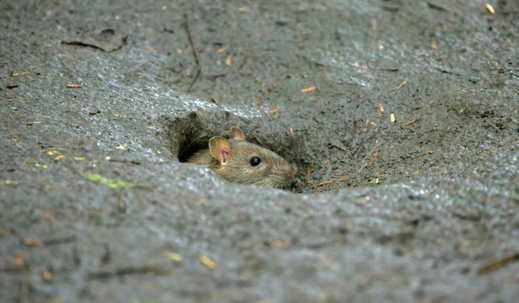
Rat Burrow Signs in Fort Lauderdale Yards
A hole near your foundation, fence line, or landscaping may catch your attention, but it does not automatically confirm a rat problem. Several animals can dig in residential yards. The surrounding evidence matters more than the opening alone.
Possible rat burrows deserve a closer look when they appear alongside fresh soil, worn paths, droppings, gnaw marks, or repeated activity around the same area. In Fort Lauderdale yards, identifying the source early can help you address outdoor conditions before rodents move closer to your home.
Key Takeaways
- A yard opening alone does not confirm rat activity. Look for additional signs such as fresh soil, smooth edges, droppings, runways, rub marks, or gnawing.
- Norway rats are more closely associated with ground-level burrows. Roof rats more often use elevated areas such as trees, dense vegetation, rooflines, and attics.
- Burrows commonly appear near sheltered edges, including foundations, fences, sheds, landscaping borders, and areas where soil meets a hard surface.
- Accessible trash, outdoor pet food, fallen fruit, clutter, and dense vegetation can make a yard more attractive to rodents.
- A professional inspection can help confirm whether an opening is active, identify the rodent involved, and locate entry points around your home.
What Do Rat Burrows Look Like?
Possible rat burrows often appear as openings in the soil near a stable edge or protected area. You may find them beside a foundation, beneath a shed, along a fence line, near dense ground cover, or where a patio or walkway meets the yard.
An active opening may look relatively smooth or worn around the edges. Freshly disturbed soil nearby can suggest recent digging. However, these details are not enough to identify the animal with certainty. A professional inspection becomes more useful when several signs appear in the same area.
Signs That an Opening May Be Active
Look for patterns rather than a single clue. The signs used during rodent inspections include active burrows, fresh tracks, droppings, runways, rub marks, gnawing, and live sightings.
In a yard, you may notice:
- Fresh soil near an opening
- Smooth or worn edges around the hole
- A narrow path through grass or landscaping
- Droppings near sheltered areas or food sources
- Gnaw marks on nearby materials
- Repeated nighttime activity around the same location
Do not place your hand inside an opening or disturb the surrounding area to test whether the burrow is occupied. A visual inspection from a safe distance gives you useful information without increasing your contact with rodents or contaminated material.
Why One Hole Does Not Tell the Whole Story
Not every hole in a Fort Lauderdale yard belongs to a rat. Other wildlife may dig or use sheltered ground cavities. The most reliable approach is to assess the opening alongside the conditions around it.
For example, a hole beside a foundation becomes more suspicious when you also see droppings near an outdoor kitchen, grease-like rub marks along a wall, or a worn route leading toward a trash-storage area. An isolated opening without supporting evidence may require monitoring rather than immediate assumptions.
Norway-Rat Burrows vs. Roof-Rat Activity
Distinguishing ground-level activity from elevated rodent movement can help you focus your inspection. Norway rats and roof rats use residential properties differently, although their routes may overlap.
Norway Rats Are More Closely Associated With Burrows
Norway rats are burrowing rodents. They commonly use ground-level areas near foundations, gardens, woodpiles, debris, and other protected locations. The rat-identification guide for homeowners explains that Norway-rat burrows may appear along building foundations, beneath rubbish or woodpiles, and around gardens and fields.
A suspicious opening near the base of your home deserves attention when it appears with fresh soil, worn trails, or repeated activity close to the ground.
Roof Rats Often Leave Elevated Signs
Roof rats are agile climbers. They are more likely to use trees, vines, fences, rooflines, attics, and wall spaces than ground burrows. A yard inspection should still account for them because outdoor vegetation and structures can create routes toward the upper parts of your home.
Check for branches touching the roof, dense vines near exterior walls, gaps around roof vents, and openings near soffits or utility lines. These conditions do not prove that rodents are present, but they can create access points worth addressing.
Why the Difference Matters
A ground opening and attic noises may point to different rodent patterns. Focusing only on the yard can cause you to miss elevated access routes. Looking only at the roofline can leave ground-level activity unaddressed.
A complete inspection covers both areas: the soil around your home and the structural features rodents may use to enter.
Where to Look for Rat Burrows in a Fort Lauderdale Yard
Along Foundations and Exterior Walls
Protected edges give burrowing rodents cover. Walk around the exterior of your home and look for openings where the foundation meets the soil, especially near landscaping, utility lines, and low-traffic corners.
Pay closer attention when an opening sits near a crack, vent, or gap that may provide a route into the structure.
Near Fences, Sheds, and Storage Areas
Fences, sheds, stacked materials, and outdoor storage areas can create sheltered spaces that remain undisturbed. These areas may also hide loose soil, runways, or droppings from casual view.
Keep storage organized and remove unnecessary clutter. A clearer perimeter makes new signs easier to notice.
Under Dense Vegetation and Ground Cover
Overgrown landscaping can conceal rodent movement. Thick ground cover, deep mulch, leaf piles, and dense shrubs provide protected areas where signs may remain hidden.
The recommended steps for preventing rodent infestations include removing potential nesting sites such as leaf piles and deep mulch. Trimming vegetation also makes your yard easier to inspect.
Near Outdoor Food and Trash Areas
Trash containers, grills, outdoor kitchens, fallen fruit, birdseed, and pet-food bowls can draw rodents closer to your home. A burrow near one of these areas may indicate that rats have found a reliable source of food or water.
Local Broward County nuisance-wildlife tips recommend securing garbage cans and bringing pet food indoors before dark. These habits can also make residential yards less attractive to rodents.
Additional Signs of Rat Activity Around Your Home
Droppings
Droppings may appear in garages, storage areas, cabinets, attics, or sheltered outdoor spaces. Finding new droppings after an area has been cleaned can point to ongoing activity.
The CDC guide to identifying rodent infestations highlights droppings and gnaw marks as common signs of rodent presence.
Gnaw Marks
Rats gnaw on materials as they move through a property. Check stored items, outdoor containers, structural gaps, and sheltered areas for fresh marks. Gnawing near an opening may indicate that rodents are using the area as part of a regular route.
Runways and Rub Marks
Rats often follow consistent paths between shelter, food, and water. Their movement can create narrow trails along walls, fences, landscaping edges, or garden borders. Repeated contact with a surface may also leave dark rub marks.
A worn path leading from a yard opening toward a trash area, shed, or exterior wall gives the opening more significance than an isolated hole.
Noises Inside the Home
Scratching or movement sounds behind walls or above ceilings can point to indoor rodent activity. Roof rats are especially relevant when noises come from attics or upper sections of the home.
Indoor sounds combined with outdoor signs may indicate that rodents are moving between the yard and the structure.
Why Rat Activity Develops Around Residential Yards
Accessible Food
Rodents stay closer to properties where food remains easy to reach. Pet food, birdseed, fallen fruit, open trash containers, grill residue, and unsecured compost can make a yard more attractive.
Bring pet bowls indoors after use, clean outdoor dining areas, collect fallen fruit, and use trash containers with secure lids.
Water Sources
Standing water, leaky outdoor faucets, irrigation issues, and pet bowls can provide rodents with water. Check the yard after rain and look for recurring damp areas around exterior fixtures.
Shelter and Concealment
Leaf piles, deep mulch, stacked materials, dense vegetation, and debris can make rodent activity harder to detect. Removing hiding places does not replace professional control when an infestation is active, but it can reduce favorable conditions and improve visibility during an inspection.
Openings Around the Home
Rodents can use gaps around vents, pipes, utility lines, doors, rooflines, and exterior walls. The EPA recommends sealing holes inside and outside the home as part of rodent prevention.
Before closing an opening, confirm whether rodents are active inside the structure. Sealing the wrong access point at the wrong time can leave animals trapped indoors or cause them to search for another route.
Can Rat Burrows Create Health or Property Concerns?
Health Concerns
Outdoor rat activity matters because rodents can move toward garages, attics, kitchens, and storage spaces in search of food or shelter. Droppings, urine, nesting material, and contaminated surfaces require careful handling.
Do not sweep or vacuum dry droppings. This can disturb contaminated material and release particles into the air. Follow the CDC instructions for cleaning up after rodents, which explain how to disinfect the area safely before removing waste.
Property Concerns
A burrow near your foundation does not automatically mean that structural damage has occurred. However, active rodent movement around the home deserves attention because rats may gnaw materials and use existing gaps to move indoors.
Inspect the area for changes over time. Fresh soil, recurring openings, gnaw marks, and new activity around exterior gaps can help you determine whether the issue is developing.
Food-Preparation Areas
Outdoor kitchens, grills, patios, and storage areas can bring rodent activity closer to spaces where food is handled. Clean these areas after use and store food in sealed containers.
Signs near a food-preparation area warrant faster attention because rodents may move between outdoor shelter and surfaces used by your household.
How to Inspect Your Yard Safely
Begin with a visual walk around your property during daylight hours. Focus on the perimeter of your home, landscaping borders, sheds, fences, trash-storage areas, outdoor kitchens, and locations where soil meets a hard surface.
Take note of:
- The number and location of suspicious openings
- Fresh soil or recurring disturbance
- Nearby food, water, or shelter
- Worn paths through grass or mulch
- Droppings, rub marks, or gnawing
- Gaps around foundations, vents, pipes, soffits, and rooflines
Avoid reaching into holes, handling droppings with bare hands, or disturbing enclosed spaces where rodents may be active. Document what you see and request an inspection when the source remains unclear.
When to Call a Professional for Rat Burrows in Your Yard
Professional support becomes useful when you notice multiple openings, fresh soil that reappears, repeated nighttime activity, droppings, gnawing, runways, or indoor noises. An inspection also makes sense when a suspicious opening sits close to a foundation, patio, outdoor kitchen, garage, or frequently used area.
Native Pest Management offers rat control in Fort Lauderdale for homes and businesses. Its broader rodent-control process begins with an inspection to identify entry points and active hot spots before creating a trapping and exclusion plan for the property.
What a Professional Inspection Should Cover
A thorough inspection should look beyond the visible opening. The service professional should evaluate ground-level signs, elevated access routes, exterior gaps, landscaping conditions, food and water sources, and any indoor evidence of rodent activity.
This approach helps determine whether the issue involves a ground-level burrow, roof-rat movement, an entry point into the home, or another animal using the yard.
What a Rodent-Control Plan May Include
The right plan depends on what the inspection reveals. A property with active yard burrows may need a different response from a home with roof-rat activity in the attic or exterior gaps that allow rodents to move indoors.
A complete plan may include professional trapping, exclusion work, monitoring, and recommendations for reducing food, water, shelter, and access points around the property.
Investigate the Signs Around the Burrow
A suspicious hole in your Fort Lauderdale yard is worth investigating, but the opening alone does not confirm a rat infestation. Look for fresh soil, worn paths, rub marks, droppings, gnawing, and recurring activity around foundations, fences, landscaping borders, and food sources.
Ground-level openings may point to Norway-rat activity, while noises in an attic or movement along rooflines may suggest roof rats. Checking both levels of your property gives you a clearer view of the problem.
If the signs continue or the source remains unclear, request a free quote from Native Pest Management to schedule a rodent inspection for your Fort Lauderdale property.
Frequently Asked Questions About Rat Burrows in Yards
How Can I Tell if a Hole in My Yard Is a Rat Burrow?
Look for supporting signs such as fresh soil, smooth or worn edges, nearby runways, droppings, rub marks, gnawing, or repeated nighttime activity. A hole by itself cannot confirm which animal created it.
Where Do Rat Burrows Commonly Appear?
Possible Norway-rat burrows often appear near foundations, fences, sheds, landscaping borders, gardens, debris, or areas where soil meets a hard surface. Protected edges give burrowing rodents shelter.
Do Roof Rats Dig Burrows?
Roof rats are more closely associated with elevated nesting areas such as trees, dense vegetation, attics, and wall spaces. A ground-level opening is more commonly associated with Norway rats, but an inspection is the best way to confirm the rodent involved.
Should I Fill a Suspected Rat Burrow Immediately?
Do not assume that filling an opening will solve the issue. First, determine whether the burrow is active and identify the source. Rodent activity may continue nearby when food, shelter, or access points remain available.
What Attracts Rats to Fort Lauderdale Yards?
Accessible trash, pet food, birdseed, fallen fruit, standing water, dense vegetation, leaf piles, deep mulch, and clutter can make a yard more attractive to rodents. Regular cleanup and perimeter inspections help reduce these conditions.
When Should I Request a Professional Inspection?
Request help when you find multiple holes, recurring soil disturbance, droppings, gnaw marks, runways, indoor noises, or activity near your foundation. A professional inspection can confirm the source and identify the next steps for your property.