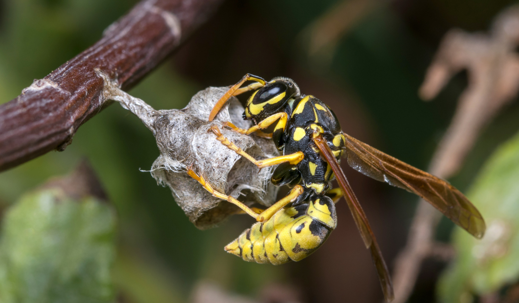
Early-Season Paper Wasp Prevention in Melbourne
If you live in Melbourne, Florida, you may start to see paper wasps around your home as temperatures rise. These stinging insects become active in early spring and begin searching for quiet places to settle.
Paper wasps are a beneficial insect because they support pollination and help control pests like caterpillars. But they become a problem when they settle in homes or near busy areas where people spend time.
This guide explains how to prevent nests early, where these insects like to settle, and when to call a professional pest control company for help. It also helps you understand what attracts wasps, so you can take the right steps before activity increases.
Key Takeaways
- Early inspections and removal of nests help stop a wasp colony before it grows.
- Sealing gaps, cleaning outdoor areas, and maintaining structures will reduce wasp nesting opportunities.
- Wasps often settle in sheltered areas like eaves, porch ceilings, garages, and tree branches.
- Professional inspections support safe nest removal and help prevent repeat infestations.
How to Prevent Early-Season Paper Wasp Nesting
Early-season paper wasp prevention in Melbourne works best when you take simple steps and repeat them often. These actions make your home less attractive and help reduce infestations before they start.
1. Inspect and Remove Small Nests Early
In early spring, a new queen builds small nests with only a few cells. These nests may already contain larvae, but they are still easy to manage.
Walk around your home once a week and check common areas like eaves, soffits, and porch ceilings. Look for a hanging structure with an open comb pattern. You may be able to knock down the nest safely if it is inactive and easy to reach.
Removing nests early helps stop the wasp colony from growing into an infestation later in the season.
2. Seal Gaps and Entry Points
Even small openings can become a nesting site. Check for gaps near siding, roof edges, vents, or wall voids.
Use caulk to seal these spaces and close off access points. This step also helps reduce activity from other insects, such as yellowjackets, hornets, and bald-faced hornets.
3. Reduce Food Sources Around Your Property
Food attracts many stinging insects. Trash, sugary drinks, and food left near grills can bring them close to your home.
Keep trash bins sealed and clean outdoor areas often. Wipe down grills after use and avoid leaving food out for long periods.
4. Use Wasp Traps and Repellent Options
Wasp traps can help reduce numbers in certain areas. Place them away from doors and walkways so they draw insects away from where people gather.
Some homeowners use a repellent or wasp spray as part of a DIY approach. These products may help knock down visible activity, but they do not prevent future nesting. They work best when combined with regular inspections and good maintenance habits.
5. Maintain Outdoor Structures
These insects use wood fibers to create nests. Old or damaged wood gives them easy access to materials.
Check fences, sheds, decks, and trim around your home. If the wood looks worn, seal or paint it to protect the surface.
Routine maintenance also helps you spot early signs of nesting before they grow into a bigger issue.
Why Early-Season Prevention Matters
Timing makes a big difference when dealing with these insects. Early-season prevention helps you stay ahead of problems before they grow.
Stops Growth Before Late Summer
A nest that starts small can grow quickly. By late summer, it may turn into one of several large nests around your home.
As the wasp colony grows, more insects become active. Early action keeps nests small and easier to manage.
Reduces Risk of Painful Stings
These insects protect their nests when they feel threatened. This increases the chance of paper wasp stings near doors, walkways, and outdoor seating areas.
For some people, stings can lead to allergic reactions. Preventing nests early helps reduce this risk.
Keeps Outdoor Spaces Comfortable
Outdoor areas often used in Melbourne, such as patios, porches, and yards, are part of daily life.
When nests are nearby, these spaces can feel unsafe. Early prevention helps keep these areas comfortable and easy to use.
Supports Long-Term Pest Management
Prevention works best when it is part of a larger pest management plan. Regular checks, sealing gaps, and cleaning all work together.
This approach supports ongoing pest control and reduces the chance of repeat infestations.
Common Paper Wasp Nesting Spots Around the Home
Knowing where to look helps you find nests sooner. Most wasp nests appear in quiet, sheltered areas that protect the nest entrance.
Eaves and Rooflines
Eaves provide shade and protection from the weather. This makes them a common spot for nesting.
Check these areas along the edges of your roof and around corners.
Porch Ceilings and Overhangs
Porch ceilings offer a flat surface for nest attachment. These spots are easy to miss at first.
Inspect corners, lights, and entry points regularly.
Garages and Sheds
Garages are quiet and protected, which makes them a good location for nesting. Small openings allow insects to get inside.
Check rafters, corners, and storage areas often.
Tree Branches and Landscaping
Some nests appear on tree branches or within thick plants. These areas can hide nests until someone gets close.
Trim plants and inspect landscaping often to reduce hidden spots.
Wall Voids and Hidden Spaces
Some wasps settle inside wall voids. You may only notice them moving in and out of a small nest entrance.
These situations often require professional nest removal to fully solve the problem.
What Encourages Early Paper Wasp Nesting
Several conditions can make a property more attractive to paper wasps. Reducing these factors helps make early-season prevention more effective.
Warm Weather Early in the Season
Warm early spring weather can trigger earlier wasp activity. A wasp queen may begin searching for a nesting site as temperatures become more favorable.
This makes early inspections especially useful in Melbourne, where warm conditions often arrive early in the year.
Access to Materials
These insects gather wood fibers from exposed wood and mix them into the paper-like material used for nests. Weathered fences, trim, sheds, and deck boards can provide easy access.
Painting, sealing, or repairing wood surfaces reduces available nesting material.
Food Sources Nearby
Food sources can encourage wasps to stay near a property. Outdoor meals, open trash, fallen fruit, and insects around landscaping can all increase activity.
Good sanitation and regular yard maintenance help reduce these attractants.
Quiet, Undisturbed Areas
These insects prefer quiet, sheltered areas where nests are unlikely to be disturbed. Storage areas, unused corners, rooflines, and rarely opened sheds can all support nesting.
Routine checks make these areas less inviting and help you catch nests earlier.
When to Schedule a Paper Wasp Inspection in Melbourne
Early-season prevention is most effective when you schedule an inspection before nests grow. A professional can check common areas like soffits, garages, and rooflines for early signs.
You should also call if you see repeated wasp activity, visible paper wasp nests, yellow jacket nests, hornet nests, or bald-faced hornet nests. These social wasps can become more aggressive as their colonies grow.
DIY methods like wasp spray or traps may help with small issues, but they often miss hidden nests in wall voids or other enclosed areas. This can lead to repeat infestations over time.
Native Pest Management offers home pest control services that include wasps as part of a broader prevention plan. Our professional pest control service can identify the type of wasp, locate the nest entrance, and handle nest removal safely. Schedule a free inspection with us to get help with early-season paper wasp prevention in Melbourne before activity increases.
Frequently Asked Questions
How do you prevent paper wasps from building nests?
Inspect your home early, remove small nests, seal gaps with caulk, and reduce food sources. These steps make your property less attractive and help stop nesting before it starts.
What time of year do paper wasps start building nests?
They usually begin in early spring when temperatures rise, and wasp queens become active. Warmer weather gives them more time to grow a colony.
Do paper wasps come back to the same nest every year?
They do not reuse an old nest from the previous year. But they may return to the same area if it still provides shelter and food.
Should I remove a paper wasp nest myself?
You can try DIY removal for very small nests if they are inactive. For larger or active nests, it is safer to call a professional exterminator to avoid painful stings.