Common Pest Hotspots Around West Palm Beach Homes
West Palm Beach homeowners deal with pest pressure year-round. The heat, humidity, and frequent rain that make South Florida appealing to residents also make it appealing to ants, cockroaches, mosquitoes, and a range of other pests.
Knowing where pest activity tends to concentrate around your home helps you catch problems early, before a minor issue turns into something harder to manage.
Key Takeaways
- Several types of pests, including ants, cockroaches, and mosquitoes, gather around specific areas of your home where moisture, food sources, or shelter are available.
- Knowing where pest activity tends to concentrate helps you spot early signs of an infestation before it grows harder to manage.
- Simple prevention steps, such as reducing standing water and sealing entry points around doors and windows, can make your home less inviting to insects.
- A consistent pest management approach that addresses both the interior and exterior of your home gives you a stronger chance of keeping these hotspots under control.
How to Identify Pest Hotspots Around Florida Homes
Knowing where pests tend to gather is the first step toward keeping your West Palm Beach home comfortable.
Ants, cockroaches, mosquitoes, wasps, and bed bugs can all become household concerns. Learning to recognize the signs of activity and the spots each pest favors helps you act before a minor nuisance becomes a larger problem.
How to Tell Different Pest Hotspots Apart Around Your Florida Home
Different pests leave different clues. Ghost ants and other small ant species regularly invade West Palm Beach homes in search of food and water, trailing steadily along counters or baseboards. Cockroaches, by contrast, tend to stay out of sight, leaving dark droppings in hidden corners near kitchens and bathrooms.
Recognizing each pest's size, habits, and preferred hiding spots helps you determine what you are dealing with before reaching for a product.
Carpenter ants are larger and darker than the ghost ants or sugar ants you might spot on a countertop. Where ghost ants trail toward food, carpenter ants are drawn to damp or decaying wood. Both can be present in the same home, and both call for different responses.
How to Spot Pest Activity Inside Your Florida Home
Indoor hotspots usually center on food and moisture. Kitchens and dining areas draw the most foraging activity from ants and cockroaches, especially where crumbs, grease, or spilled food accumulate near appliances, under cabinets, or around pet food bowls. Spotting trails near food preparation surfaces or along the edges of cabinetry points toward a developing hotspot worth addressing sooner rather than later.
Bathrooms are a secondary hotspot, particularly for cockroaches and ghost ants. Kitchens, bathrooms, laundry rooms, and utility rooms are amongthe most common gathering places for cockroaches in South Florida homes, where warmth, moisture, and accessible food combine.
Where Pest Activity Shows Up Around Florida Homes
Outdoor activity often concentrates near landscaping, mulch beds, and areas where moisture collects against the foundation.
Ants and other pests may nest in soil or decaying wood close to the exterior wall before moving indoors. Mulch applied deeper than three inches holds moisture right against the foundation and can become a nesting zone for carpenter ants, especially in West Palm Beach and other parts of South Florida, where there is no true cold season to slow colony growth.
Checking perimeter zones monthly gives you an early warning.
Exterior Entry Points That Pests Use Around Florida Homes
Gaps around doors, windows, and utility penetrations are common pathways pests use to move indoors. Carpenter ants enter homes through tiny cracks in baseboards, door frames, and crevices in walls, and tree branches that touch the roofline give them a direct bridge from outdoor colonies.
Sealing those openings and trimming back vegetation reduces the number of ways pests can establish a foothold inside your home.
Why Pest Problems Develop Around Florida Homes
Pest activity around your home typically starts outdoors. Ants often nest outside, with worker ants foraging for food and water inside the structure. Understanding what draws them in and how they move helps you address the conditions that create persistent hotspots.
Outdoor Nesting Areas That Attract Pests Around Florida Homes
Many pest problems begin in the yard. Carpenter ants frequently establish parent colonies in dead or dying palm trunks, rotting landscape timbers, old fence posts, and weathered deck framing before foragers move indoors.
Tree branches that overhang your roofline serve as bridges from those outdoor nesting areas into the structure. Keeping the zone immediately around your home clear of decaying wood and heavy mulch makes it less hospitable for nesting colonies.
Food and Shelter That Attract Pests to Florida Homes
Once foraging workers find a food source indoors, they lay pheromone trails that guide other workers from the colony to the same spot.
The ants carry food back and share it with the rest of the group, which is why a small trail near the kitchen can quickly become a steady stream.Keeping surfaces clean, food in sealed containers, and entry points sealed helps cut off what keeps ghost ants and other species returning to the same areas of your home.
How Pests Move Between Hotspots Around Florida Homes
Pests rely on scent trails to navigate between nesting sites and food sources. Disrupting those trails by cleaning foraging paths and sealing the gaps ants use to enter disrupts the cycle.
Without a clear route to the food source, foragers are forced to reestablish a trail or move elsewhere. Combining exclusion with sanitation tends to work better than either step alone, since each one removes a different part of what keeps pests active inside your home.
Trails and Entry Points Pests Use Around Florida Homes
Common entry points include gaps around doors, windows, and areas where pipes and wires enter the structure. In West Palm Beach homes, foundation cracks, deteriorated caulk, and unsealed utility lines are amongthe most frequently used entry points for ghost ants.
Sealing these openings is one of the most straightforward ways to reduce the number of active hotspots inside your Florida home.
Risks From Pest Hotspots Around Florida Homes
When pests concentrate around specific areas of your home, the risks go beyond nuisance. Kitchens, bathrooms, standing water, and entry points like cracks and gaps can each draw different pests, and the problems they bring range from contaminated food to structural damage.
Health Risks Linked to Common Pest Hotspots in Florida
Mosquitoes are among the most consistent outdoor pest concerns for West Palm Beach homeowners, and they bite both people and pets. A female mosquito can lay eggs in as little as a bottle cap of water, and in about a week those eggs can become biting adults.
Planters, gutters, birdbaths, and low spots in the yard after rain are the most common sources. Emptying or treating these spots regularly is one of the most effective ways to reduce mosquito pressure around your property.
Cockroaches carry a separate set of health concerns. American and German cockroaches are the two most common species in West Palm Beach homes, and both can contaminate food, trigger allergies, and leave behind a distinctive musty odor. Because they are active primarily at night and prefer hidden areas near food and moisture, infestations often grow undetected until they are already well established.
Property Damage From Pest Infestations Around Florida Homes
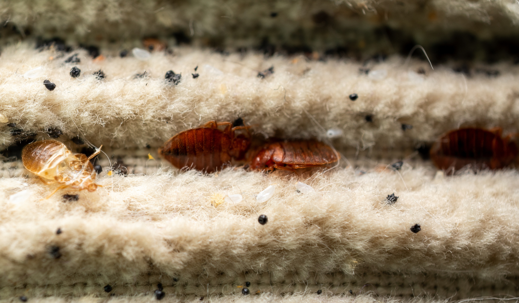
Bed bugs are a persistent concern in multi-family housing and in homes where residents travel frequently. While they do not cause structural damage, an active bed bug presence disrupts sleep, spreads through upholstered furniture and luggage, and is difficult to eliminate without professional help once established.
Carpenter ants present a different kind of property risk. They do not eat wood, but they excavate it to build nests, which weakens structural material over time. In South Florida, colonies can grow faster than in other regions because there is no cold season to slow them down, which makes early detection more important.
How Food Storage Areas Become Pest Hotspots
Kitchens concentrate the conditions that most pests look for: warmth, moisture, and accessible food. Cockroaches are especially drawn to areas where food is prepared or stored, and they contaminate surfaces simply by moving across them. Ghost ants are so small that even the tiniest gap in a home's foundation can serve as an entry point for an entire colony, which is why sealing around plumbing and cabinetry matters as much as keeping surfaces clean.
When to Take a Closer Look at Pest Activity in Your Home
If you notice mosquitoes gathering near your doors or windows, check that screens fit tightly and are free of holes, then look for standing water in your yard. Indoors, watch food preparation areas for signs of cockroach activity, such as small dark droppings near appliances or a faint musty smell. Inspect sleeping areas if you notice unexplained bites or find small rust-colored stains on bedding. Addressing these hotspots early keeps problems from compounding.
Professional Pest Control for Pest Hotspots Around Florida Homes
Knowing where pests gather is only the first step. Reducing what draws them in, inspecting thoroughly, and following up consistently helps you stay ahead of problems at every common hotspot around your West Palm Beach home.
How to Reduce Attractants Around Your Florida Home
Walk around the outside of your home and locate potential entry points: cracks, crevices, and spaces around windows, doors, and plumbing.
Use caulk or weatherstripping to close gaps, and rake mulch back from the foundation to reduce moisture buildup against the exterior wall. Removing standing water from flower pots, watering cans, birdbaths, and gutters is one of the most direct steps you can take to reduce mosquito breeding activity on your property.
Kitchens, bathrooms, and garages tend to offer the resources pests look for most. Keeping these zones clean and dry makes them significantly less appealing to ants, cockroaches, and other household pests.
Why Pest Control Starts With a Thorough Inspection
A thorough inspection identifies where pests are entering and which hotspots need attention first. Service professionals check both the exterior and interior of your home, focusing on cracks, crevices, spaces around windows and doors, and plumbing penetrations.
When wood-destroying insects are involved, catching activity early through inspection helps target the right spots before structural damage accumulates.
Ghost ants, in particular, require close inspection because they are small enough to enter through openings that are easy to overlook. Pest control technicians use an especially close eye when looking for openings around a house, since even the smallest hole in the foundation could be the entry point of an entire ghost ant colony.
What to Expect During Professional Pest Treatment
For serious indoor infestations and complex cockroach problems, professional pest control services are often the practical option. The same applies to wood-destroying insects and pests that settle into wall voids or attics.
A professional can distinguish between pest species that look similar but require different treatment approaches, and can apply targeted products to the areas where each pest is actually active rather than treating the home broadly.
Native Pest Management serves homeowners across South Florida, including West Palm Beach, Miami, Fort Lauderdale, Port St. Lucie, and Melbourne, as well as Tallahassee in North Florida.
What to Expect From a Professional Pest Control Plan
Consistent pest control is key to managing hotspots over time. A recurring plan allows your pest control team to monitor entry points and treat hotspots before populations build. Monthly service tends to produce the most reliable results for pests like mosquitoes that respond quickly to changing conditions in the yard.
Native Pest Management offers recurring general pest control covering ants, spiders, cockroaches, and rodents. With over 10,000 five-star reviews and recognition on the Inc. 5000 list from 2021 through 2024, our team provides consistent, professional service to Florida homeowners across our coverage area.
Frequently Asked Questions
Where Should I Check for Pest Activity Around My Home?
Indoors, pay attention to kitchens, bathrooms, and anywhere food or moisture is accessible. These are common gathering points for ants, cockroaches, and other household pests. Outdoors, check the foundation perimeter, mulch beds, gutters, and any containers that collect rainwater.
How Can I Reduce Mosquito Activity Near My Property?
Standing water is where mosquitoes develop, and a surprisingly small amount can support a new generation within a week. Check for pooled water in planters, gutters, birdbaths, and low spots in your yard after rain. Removing or treating standing water and keeping window and door screens in good repair can reduce mosquito activity around your home significantly.
When Should I Call a Professional Instead of Handling It Myself?
If you notice wood-destroying insects such as carpenter ants inside your home, professional pest control is a practical step. The same applies when recurring pest activity persists despite your prevention efforts or when you are not certain which pest you are dealing with. Species identification changes what treatment approach makes sense.
What Simple Prevention Steps Make the Biggest Difference?
Sealing entry points around doors, windows, and plumbing; removing standing water from the yard; keeping food in sealed containers; and pulling mulch back from the foundation address the conditions most pests rely on. These nonchemical steps reduce what draws pests indoors in the first place and complement any professional treatment you receive.