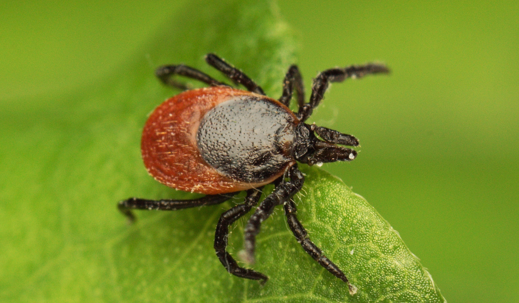
Tick Season in Port St. Lucie Yards
If you spend time outside in Port St. Lucie, you will likely encounter Florida tick activity. The warm, humid climate keeps many types of ticks active for long periods, especially in grassy and shaded areas.
Tick season in Port St. Lucie yards can last nearly year-round, with higher activity during warmer months. Longer periods of tick activity increase the risk of tick bites for homeowners, tenants, and businesses that use outdoor spaces.
Understanding where ticks live and how they spread helps reduce exposure. Tick prevention, yard care, and pest control can limit infestations and help keep your property tick-free.
Key Takeaways
- Tick season in Port St. Lucie can last much of the year due to Florida’s humid climate.
- Tick activity peaks in spring and summer, but continues in cooler months.
- Common ticks include the lone star tick, American dog tick, brown dog tick, and deer tick.
- Tall grass, leaf litter, shaded areas, and wildlife increase tick populations.
- Pest control and lawn care services help reduce infestations and improve tick control.
When Tick Season Hits Florida Yards
Tick patterns in Florida vary by species, but ticks remain active most of the year. Different tick species become more active at different times, so homeowners often see fluctuations in tick populations rather than a clear start or end to the season.
Spring Brings Early Tick Activity
Tick activity rises in spring across Port St. Lucie. Larvae and nymphs become more active in grassy and shaded areas, and their small size makes them harder to detect, which raises the risk of tick bites.
Common ticks, such as the American dog tick and the lone star tick, become more active during this time. These tick species can spread tick-borne diseases such as ehrlichiosis and southern tick-associated rash illness (STARI).
Summer Drives Peak Tick Populations
Summer conditions help tick populations grow, as Florida’s humid climate supports the tick life cycle.
Tick activity is highest in tall grass, leaf litter, and wooded areas, especially during outdoor activities. Brown dog ticks and lone star ticks commonly live in residential yards during this period.
Infected ticks can spread tick-borne illnesses such as Lyme disease, Rocky Mountain spotted fever, and Rickettsia parkeri infections.
Fall and Winter Keep Ticks Active
Tick season does not stop in Florida. The black-legged tick, also known as the deer tick, can remain active in cooler months, and the Gulf Coast tick may also persist in some areas.
Tick prevention should be a year-round habit. Even in winter, shaded areas and pet zones can support ongoing tick activity.
Why Ticks Build Up in Yards
Ticks grow in areas with moisture, cover, and access to hosts. Many Port St. Lucie yards have these high-risk conditions, especially in areas with dense vegetation or frequent wildlife activity.
Tall Grass and Grassy Areas
When you delay mowing, these areas create more opportunities for ticks to attach during normal yard use.
Poor airflow in dense grass also traps moisture, which supports larvae survival and helps tick populations grow.
Leaf Litter and Shaded Areas
Leaf litter, mulch, and debris hold moisture and protect ticks from heat. These shaded spots help ticks survive longer.
Yards near wooded areas are especially high-risk because they support multiple tick species, including the black-legged tick and the Gulf Coast tick.
Pets and Wildlife Movement
Animals often bring ticks into yards. Pets can carry them into indoor and outdoor spaces, including pet bedding, while wildlife such as rodents and raccoons can help sustain infestations.
The brown dog tick is commonly associated with pets, while deer ticks and lone star ticks more often live along wildlife paths.
How to Make Yards Less Tick-Friendly
Reduce tick activity by limiting the conditions that support tick populations. Regular yard care can lower exposure and support long-term tick prevention.
Mow and Maintain Your Lawn
Frequent mowing reduces tick habitats by cutting tall grass where ticks wait for hosts. In Florida’s fast-growing conditions, regular lawn care supports tick control.
Trimming overgrown edges and reducing dense vegetation also reduces the chance of ticks attaching.
Clear Debris and Reduce Moisture
Removing leaf litter, brush, and yard waste reduces moisture and removes common tick hiding spots, especially in shaded areas and along fence lines.
More sunlight helps dry the ground, which makes the area less suitable for ticks.
Use Repellents and Perform Tick Checks
Wear long sleeves and light-colored clothing during outdoor activities so ticks are easier to spot. Use tick repellents or insect repellents with DEET or permethrin to reduce risk.
After spending time outside, check your body for ticks and remove them with tweezers as soon as possible. Quick removal can reduce the risk of tick-borne diseases, including anaplasmosis and babesiosis.
Symptoms can include muscle aches, joint pain, and, in some cases, allergic reactions.
Professional Tick Control for Port St. Lucie Yards
If tick infestations continue, professional pest control helps control tick populations in high-risk areas such as shaded zones, yard edges, and pet spaces.
Simple steps like mowing, clearing debris, using repellents, and doing tick checks can lower your risk. When ticks keep returning,Native Pest Management provides pet-friendly pest control and lawn care services designed for Port St. Lucie properties.
Contact us to schedule a free inspection and reduce tick activity in your yard.
FAQs
When is tick season in Port St. Lucie?
Tick season in Port St. Lucie is nearly year-round. Tick activity increases in spring and summer, but many tick species remain active through fall and winter in Florida.
Can ticks survive in maintained yards?
Yes. Even well-maintained yards can support tick populations if they include shaded areas, grassy areas, or nearby wooded areas. Regular upkeep lowers risk but does not remove all ticks.
How long before professional tick control works?
Many properties may begin to see reduced tick activity over time, though results vary based on infestation size and yard conditions. You may need follow-up service to improve tick control.