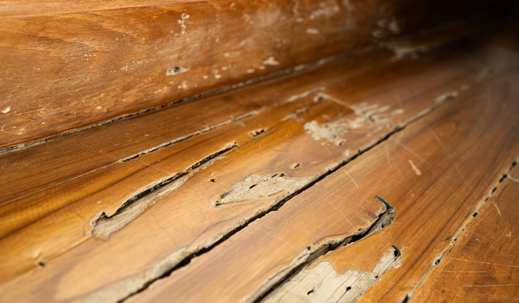
Moisture Fixes That Help Prevent Termites in Fort Lauderdale
Moisture control is one of the most useful termite-prevention steps a Fort Lauderdale homeowner can take. A leaky pipe, overflowing gutter, sprinkler aimed at an exterior wall, or damp area near the foundation can create conditions that make it easier for subterranean termites to remain active close to a structure.
However, moisture reduction is not a guarantee against every termite problem. Florida homes may face several types of termites, and they do not all rely on the same conditions. Subterranean termites maintain a connection to soil or another moisture source, while drywood termites can infest wood without soil contact. That is why a strong prevention plan combines moisture fixes with clear inspection access and professional termite inspections.
This guide explains which moisture problems deserve attention, how to correct common conditions around your home, and when visible signs should prompt a termite inspection.
Key Takeaways
- Fix plumbing leaks, roof leaks, and recurring water intrusion as soon as you notice them.
- Keep gutters clear and direct downspouts away from the foundation.
- Adjust irrigation heads so sprinklers do not wet exterior walls.
- Make sure the grade around the home directs water away from the structure rather than toward it.
- Keep an inspection gap between the soil or mulch line and exterior wall coverings so mud tubes remain visible.
- Move firewood, lumber, branches, and other wooden debris away from the house.
- Do not place moisture-holding items such as rain barrels or compost bins directly beside the foundation.
- Remember that moisture fixes help reduce conducive conditions but do not replace termite inspections.
- Request professional support when you find mud tubes, discarded wings, termite swarmers, frass, or damaged wood.
Why Moisture Control Matters for Termite Prevention
Subterranean termites live in soil and travel toward wood through protected pathways. Moisture helps them survive as they move between the colony and a structure. When water remains close to the foundation, exterior walls stay wet, or wood touches damp soil, a home can become easier for termites to access and harder for a homeowner to inspect.
The UF/IFAS termite-prevention guide identifies three core prevention goals: minimize moisture, minimize food sources, and make the home easier to inspect. The EPA termite guide also recommends proper grading and drainage, gutter and downspout maintenance, immediate leak repairs, and fewer openings around foundations and utility penetrations.
Subterranean termites depend on moisture
Subterranean termites typically move from soil toward wood. They may build mud tubes along foundation walls or other surfaces so they can travel while maintaining the protected conditions they need.
A damp foundation area does not prove that termites are present. However, reducing moisture removes a condition that can support activity and makes routine inspection easier.
Drywood termites require a broader prevention plan
Drywood termites do not need soil contact. They can establish colonies inside wood and may enter a structure through swarm activity or infested wooden items.
Moisture fixes still benefit the home because they can protect building materials and reduce other pest concerns. However, a dry foundation alone does not rule out drywood termites. Monitor for frass, discarded wings, swarmers, and visible wood damage as well.
Florida homes can face more than one termite type
The Florida Department of Agriculture and Consumer Services termite overview identifies four commonly referenced termite types in the state: dampwood, drywood, subterranean, and conehead termites.
A moisture-focused article is most useful when it stays precise: moisture control is an important part of prevention, especially for subterranean termites, but it is not a universal solution for every species.
Moisture Fix 1: Repair Plumbing Leaks Promptly
A dripping pipe, leaking faucet, damaged supply line, or recurring puddle beneath a sink can keep wood and nearby materials damp. Plumbing penetrations may also create hidden routes through floors or walls.
Check bathrooms, kitchens, laundry areas, utility rooms, and exterior hose connections. Pay attention to cabinets, baseboards, and walls that remain damp or show water stains.
Look beneath sinks and around appliances
Inspect visible plumbing beneath sinks and around appliances that use water. Check for damp cabinet floors, staining, warped materials, or recurring moisture.
Contact a qualified plumber or appliance professional when a repair goes beyond a basic homeowner task. Dry the affected area after the leak has been corrected.
Check plumbing penetrations
Look at the spaces where pipes pass through walls, slabs, and cabinets. A gap does not confirm termite activity, but it can make inspection more important.
The EPA recommends reducing openings around utility penetrations with appropriate materials such as cement, grout, or caulk. Ask a qualified contractor which repair is appropriate for the specific surface.
Do not ignore small leaks
A slow drip can remain easy to overlook because it may not create an obvious puddle. Recurring dampness, musty odors, or staining deserve attention even when the source appears minor.
Moisture Fix 2: Clean Gutters and Redirect Downspouts
Gutters and downspouts should move rainwater away from the house. When gutters clog or discharge too close to the foundation, water may collect beside exterior walls and increase soil moisture.
The FDACS subterranean-termite guidance recommends keeping gutters clean and well maintained and extending drainage systems away from the home.
Remove leaves and debris
Check gutters periodically and after heavy weather. Remove leaves, twigs, and other debris that can slow drainage or cause overflow.
Use appropriate safety precautions for any ladder work. Hire a qualified professional when the roofline is difficult to reach safely.
Watch where downspouts empty
Downspouts should carry water away from the foundation rather than release it beside the wall. Check for pooling, eroded soil, splash marks, or recurring dampness near discharge points.
A splash block, extension, or drainage improvement may help depending on the property. Choose a solution that directs water away from the structure without creating a problem elsewhere.
Inspect after heavy rain
A dry-weather walkaround may not reveal every issue. Check the perimeter after a storm to identify overflowing gutters, ponding water, and areas where drainage needs improvement.
Moisture Fix 3: Aim Sprinklers Away From Exterior Walls
Irrigation should support your landscaping without repeatedly soaking the walls or foundation. A sprinkler head aimed at siding, stucco, or a door frame can create a persistent moisture problem even when the rest of the yard drains well.
UF/IFAS recommends directing irrigation heads away from walls because wet walls create a condition that allows termites to thrive.
Run the system and observe the spray pattern
Turn on each irrigation zone and watch where the water lands. Look for overspray hitting walls, doors, windows, and the foundation area.
Adjust damaged or misaligned heads and repair leaks in the irrigation system.
Pay attention to shaded areas
Water may evaporate more slowly on shaded sides of the house. Check for damp soil, algae, discoloration, or mulch that remains wet long after irrigation ends.
Review watering frequency
Overwatering can keep soil wetter than necessary. Follow local landscaping guidance and the needs of your plants rather than using a schedule that leaves water pooling beside the home.
Moisture Fix 4: Improve Drainage and Grading
Water should flow away from the structure. Low spots, compacted soil, poor grading, and drainage problems can allow rain or irrigation water to collect near the foundation.
UF/IFAS recommends ensuring that water runs from the structure rather than toward it. EPA guidance also identifies proper grading and drainage as part of termite prevention.
Look for pooling near the foundation
Walk around the home after rain and note where water remains. Check patios, walkways, garden beds, and the edges of the foundation.
A recurring puddle deserves attention even when it disappears later in the day.
Check soil slope
The soil around the house should guide water away from the structure. Erosion, settling, and landscaping changes can alter drainage over time.
Ask a qualified drainage, landscaping, or foundation professional to evaluate persistent issues. Avoid making major grading changes without understanding where the redirected water will flow.
Direct air-conditioning drainage away from the house
Air-conditioning drainage lines can contribute to damp soil when they discharge beside the foundation. UF/IFAS recommends directing these lines away from the home.
Check whether the discharge point creates a consistently wet area and ask an HVAC professional to correct the routing when needed.
Moisture Fix 5: Keep Mulch and Soil Below the Inspection Line
Mulch and soil should not hide the lower portion of the exterior wall. A visible inspection gap makes it easier to notice mud tubes and reduces concealed access routes.
UF/IFAS recommends maintaining at least 6 inches between the soil or mulch line and the bottom of wall siding. The goal is to preserve a clear inspection space rather than letting landscaping cover vulnerable areas.
Do not pile mulch against the wall
Mulch can hold moisture and conceal the foundation edge when it is placed too high. Pull it back from the exterior wall and avoid burying siding or stucco.
The concern is not that every mulch bed creates a termite infestation. The concern is that moisture and hidden access can make inspections more difficult.
Check planter beds near the foundation
Raised beds and landscaping changes may alter the soil line over time. Inspect areas where new soil or mulch has been added and restore a visible gap when needed.
Avoid wooden landscape timbers beside the structure
Wooden edging can create an additional cellulose source and may make the perimeter harder to inspect. UF/IFAS recommends avoiding wooden landscape timbers for edging.
Moisture Fix 6: Move Moisture-Holding Items Away From the Foundation
Some outdoor items keep the ground damp or block inspection access. Rain barrels, compost bins, dense storage, and other moisture-holding objects should not sit directly against the house.
UF/IFAS recommends keeping rain barrels, compost bins, and similar moisture-holding items at least 2 feet from the foundation.
Check storage beside exterior walls
Move bins, stacked materials, garden supplies, and other items that prevent you from seeing the wall and soil line clearly.
Keep enough space for airflow, drainage, and visual inspection.
Place compost carefully
Compost can retain moisture and contain cellulose-rich material. Position bins away from the foundation and follow local guidance for compost maintenance.
Review rain-barrel placement
A rain barrel can support water conservation, but overflow and drainage need attention. Keep the container away from the foundation and make sure excess water flows away from the structure.
Moisture Fix 7: Address Damp Crawl Spaces When Present
Some homes have crawl spaces or other enclosed areas where humidity can remain high. These spaces deserve attention because persistent dampness can affect wood and create conditions conducive to subterranean termite activity.
Not every Fort Lauderdale home has a crawl space, and not every damp area needs the same solution. Start with inspection and moisture-source identification.
Check for leaks and standing water
Look for plumbing leaks, drainage problems, wet soil, and condensation. Correct the water source before relying on a dehumidifier or another moisture-management tool.
Keep vents and access points visible
The EPA recommends keeping vents free from blockage, including plants. Maintain clear access so the space can be inspected.
Ask whether a vapor barrier is appropriate
A vapor barrier or other moisture-control improvement may help in some crawl spaces. Ask a qualified contractor to evaluate the specific conditions before installing a system.
Make sure any encapsulation or storage change preserves access for termite inspection.
Moisture Fix 8: Maintain Space Between Plants and Exterior Walls
Dense landscaping against the house can block airflow, slow drying, and make termite inspections more difficult. Plants also grow over time, so spacing should account for mature size.
UF/IFAS recommends placing landscape plants at least 2 feet away from exterior walls and remembering future growth.
Trim shrubs and vines
Keep vegetation from pressing against siding, stucco, door frames, and exposed wood. Trim overgrown plants so you can see the foundation edge.
Improve airflow around damp areas
Spacing plants appropriately can help wet soil and wall surfaces dry more efficiently after rain or irrigation.
Keep inspection access open
Do not let landscaping conceal mud tubes, cracks, or the soil line. A clear perimeter makes routine checks more effective.
Moisture Fix 9: Remove Wood-to-Soil Contact
Wood touching soil creates a direct food source and can make termite access harder to detect. Check decks, posts, steps, fences, landscape timbers, and stored lumber near the house.
UF/IFAS identifies eliminating wood-to-ground contact as a key termite-prevention practice. EPA guidance also recommends keeping firewood and wood debris away from the house.
Move firewood away from the home
Do not stack firewood against the wall, beneath a window, or beside the foundation. Choose a location that keeps the pile away from the structure and off the ground when practical.
Remove branches and lumber debris
Dispose of unused boards, branches, stumps, and wood scraps near the foundation. These materials can make the perimeter harder to inspect and provide additional cellulose sources.
Inspect attached wooden features
Check decks, fences, stairs, and posts for soil contact and moisture damage. Ask a qualified contractor to correct structural issues.
Signs That Need More Than a Moisture Fix
Moisture reduction supports prevention, but visible termite signs call for professional inspection. Do not assume that drying the area will eliminate an established colony.
Mud tubes
Subterranean termites may build mud tubes along foundations, piers, walls, and other surfaces. These protected pathways are an important sign of possible activity.
Do not remove the tube and assume the problem is solved. Request an inspection so a professional can evaluate the structure and determine the next step.
Discarded wings or swarmers
Winged termites and piles of discarded wings near windows, doors, sinks, bathtubs, or light sources deserve attention. Swarm activity may indicate that a mature colony is nearby.
Frass
Drywood termites may leave small pellet-like droppings called frass near infested wood. Frass can appear on floors, windowsills, or beneath wooden items.
Damaged or hollow-sounding wood
Wood damage may remain hidden until the surface changes or the material sounds hollow when inspected. Avoid damaging the structure while testing suspicious areas.
A licensed termite professional can assess visible signs and recommend the appropriate inspection and treatment plan.
What Not to Do When Managing Termite Risk
Do not assume moisture control guarantees protection
Moisture reduction lowers conducive conditions for subterranean termites, but it does not eliminate every termite risk. Drywood termites do not require soil contact.
Do not cover the foundation with mulch or soil
Keep the inspection line visible. Mulch, soil, dense vegetation, and stored materials can conceal mud tubes and make routine checks less effective.
Do not apply DIY termite products without professional guidance
Termite treatment depends on the species, the structure, and the extent of activity. Surface sprays do not address colonies hidden in soil, wood, walls, or attics.
The EPA recommends working with a pest-management professional when you have an active termite infestation.
Do not ignore termites found in the yard
Termites in a stump, fence, or woodpile do not automatically mean the home is infested. However, the finding is a reason to remove conducive conditions and consider an inspection.
Do not block access needed for inspection
Store items so the perimeter, garage walls, crawl-space entrances, and foundation edge remain visible. Inspection access is part of prevention.
When to Request a Professional Termite Inspection
Routine moisture fixes are valuable, but they do not replace an inspection when you see signs of activity or have concerns about hidden conditions.
Consider requesting an inspection when:
- You find mud tubes on the foundation, piers, walls, or other surfaces.
- You notice winged termites or piles of discarded wings.
- You find frass near windowsills, door frames, baseboards, furniture, or other wood.
- You notice damaged, blistered, or hollow-sounding wood.
- Water keeps collecting near the foundation after rain or irrigation.
- A plumbing, roof, or drainage problem has kept part of the home damp.
- Mulch, soil, landscaping, or stored materials have concealed the foundation edge.
- You want a professional to evaluate whether moisture fixes have improved inspection access.
Native Pest Management provides termite-control services in Florida and has a Fort Lauderdale office. Its termite process begins with a visual inspection of the interior and exterior of the home. Treatment recommendations depend on whether an infestation is active, the termite type, and the severity of the problem.
What a professional inspection should cover
A termite inspection should look beyond one damp area. The inspector should evaluate the interior and exterior, foundation edges, visible wood, plumbing penetrations, attics or crawl spaces when accessible, and any areas with leaks, drainage problems, mud tubes, frass, wings, or wood damage.
The goal is to identify the termite type and determine whether the home needs prevention work, treatment, repairs, or a combination of steps.
What a termite-prevention plan may include
The right plan depends on the property and the termite species. Recommendations may include moisture correction, drainage improvements, better inspection access, removal of wood-to-soil contact, periodic inspections, bait stations, trench treatments, or other professional services.
Moisture management remains part of the plan even when treatment is needed. Fixing conducive conditions can improve long-term protection and make future inspections more useful.
Keep Water Away and Keep the Foundation Visible
Reducing moisture around your Fort Lauderdale home can make conditions less favorable for subterranean termites and make early signs easier to notice. Start with the practical fixes: repair leaks, clean gutters, redirect downspouts, adjust sprinklers, improve drainage, move moisture-holding items away from the house, trim landscaping, and remove wood-to-soil contact.
Keep the foundation visible. A clear inspection gap helps you notice mud tubes and other warning signs before they remain hidden behind mulch, soil, or stored materials.
If you find mud tubes, wings, swarmers, frass, or damaged wood, request a free quote from Native Pest Management to discuss termite activity around your Fort Lauderdale property.
Frequently Asked Questions
Does reducing moisture prevent every termite problem?
No. Moisture reduction can make conditions less favorable for subterranean termites, but drywood termites do not require soil contact. Use moisture control as one part of a broader prevention and inspection plan.
Which moisture problems should I fix first?
Start with active leaks, water pooling near the foundation, clogged gutters, downspouts that drain beside the house, sprinklers aimed at exterior walls, and air-conditioning drainage that leaves soil persistently damp.
Should mulch touch the exterior wall?
No. Keep the soil or mulch line below exterior wall coverings so the foundation edge remains visible. UF/IFAS recommends preserving an inspection space of at least 6 inches.
How far should plants be from exterior walls?
UF/IFAS recommends placing landscape plants at least 2 feet away from exterior walls and accounting for future growth. The goal is to improve airflow and preserve inspection access.
Can I keep firewood beside my house?
Do not stack firewood against the home or beside the foundation. Store it away from the structure and off the ground when practical.
Do mud tubes mean I have termites?
Mud tubes are an important sign of possible subterranean termite activity. Request a professional inspection rather than removing the tube and assuming the issue has been resolved.
Will fixing a leak eliminate an active termite infestation?
No. Repairing the leak removes a conducive condition, but it does not eliminate a termite colony that is already active. Request a professional inspection when you find signs of termites.
When should I call a termite professional?
Request an inspection when you find mud tubes, swarmers, discarded wings, frass, or damaged wood; when moisture keeps collecting near the home; or when you want help evaluating hidden conditions and inspection access.