When Is Drywood Termite Season in Fort Lauderdale and What Should You Watch For?
If you live in Fort Lauderdale, termite season does not happen just once a year. Drywood termites are common in South Florida, and the warm climate keeps them active all year.
Even so, activity peaks in certain months, when swarms and warning signs are more visible.
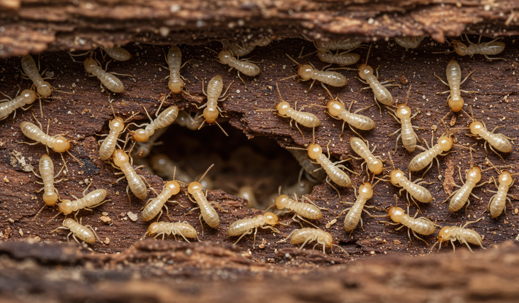
Drywood termites live inside wood and feed on cellulose. Wood serves as both shelter and their main food source, so they do not need soil to survive. Unlike subterranean termites, drywood termites do not need to touch the ground.
Attic beams, baseboards, window trim, and even furniture can hide a termite infestation. During swarming season, termites leave their colony to start new ones. These new colonies increase the risk of an infestation inside your home.
When you understand drywood termite season, you can spot activity early and know when to schedule professional termite control in Fort Lauderdale, FL.
Key Takeaways
- Drywood termite season in Fort Lauderdale peaks in late spring and summer, but termites stay active all year.
- Indoor swarms often mean termites are already inside your home.
- Watch for frass (droppings), discarded wings, and wood that sounds hollow.
- Drywood termites do not make mud tubes, but subterranean termites do.
- Skip DIY sprays. A professional inspection helps confirm the termite species and the most appropriate treatment.
When is drywood termite season in Fort Lauderdale?
Drywood termite season in Fort Lauderdale typically peaks in late spring and continues through the summer months. South Florida rarely has long, cold periods; drywood termites remain active year-round.
Late spring swarming season
Late spring marks the start of swarming for drywood termites. Winged termites, also called alates or swarmers, leave their colony to start a new one.
You may see them near windowsills, sliding glass doors, or indoor lights. If they swarm indoors, it usually means termites are already inside your home.
In Broward County, the West Indian drywood termite causes many local swarms.
Summer months and peak activity
Summer brings the highest termite activity. Heat and humidity help termite colonies grow fast.
Subterranean termites, including the Formosan subterranean termite and Asian subterranean termites, also swarm during warm weather. However, drywood termite swarms often begin inside wooden structures, which makes drywood termite infestations harder to detect until termite damage appears.
Year-round termite risk in Florida
Florida’s mild winters mean termite season never stops. All major termite types in Florida stay active year-round.
Routine termite inspections support early detection and help reduce the risk of major damage.
What should you watch for during termite season?
During termite season, certain signs of termites become easier to spot.
Frass and termite droppings
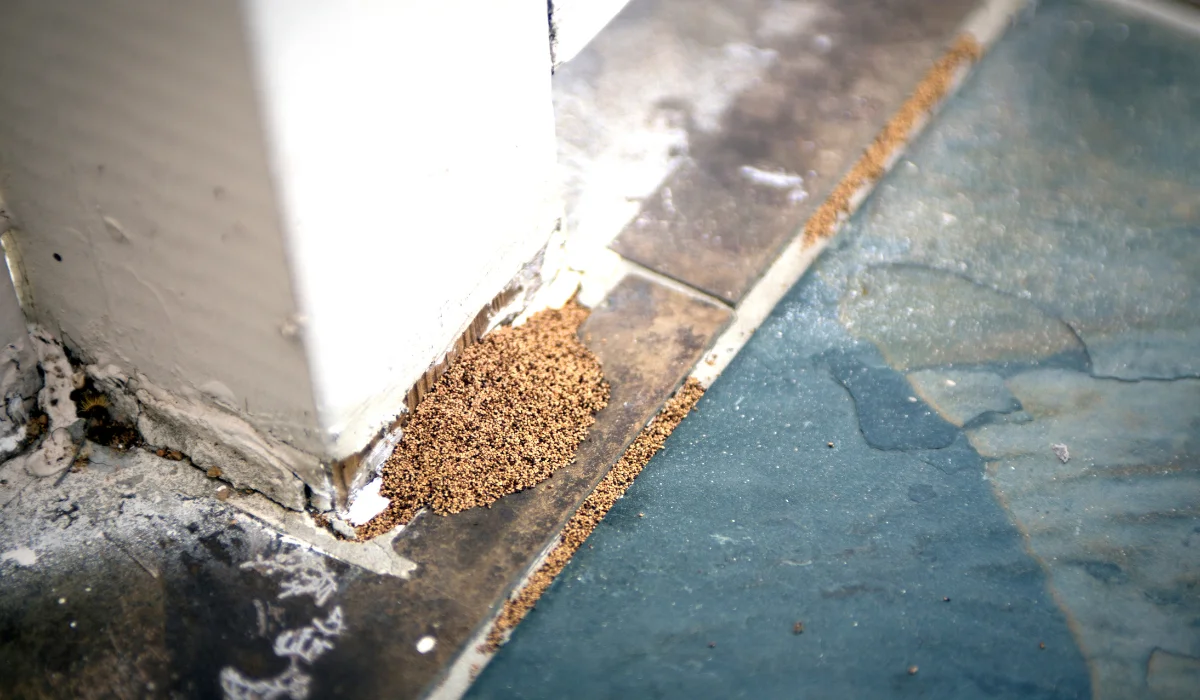
One of the most common signs of termites is frass, also known astermite droppings. Drywood termites create small kickout holes in wood and push waste outside their galleries.
You may notice pellet-shaped piles beneath baseboards or window frames. Indoor termite droppings usually indicate active drywood termite infestations.
Discarded wings from swarmers
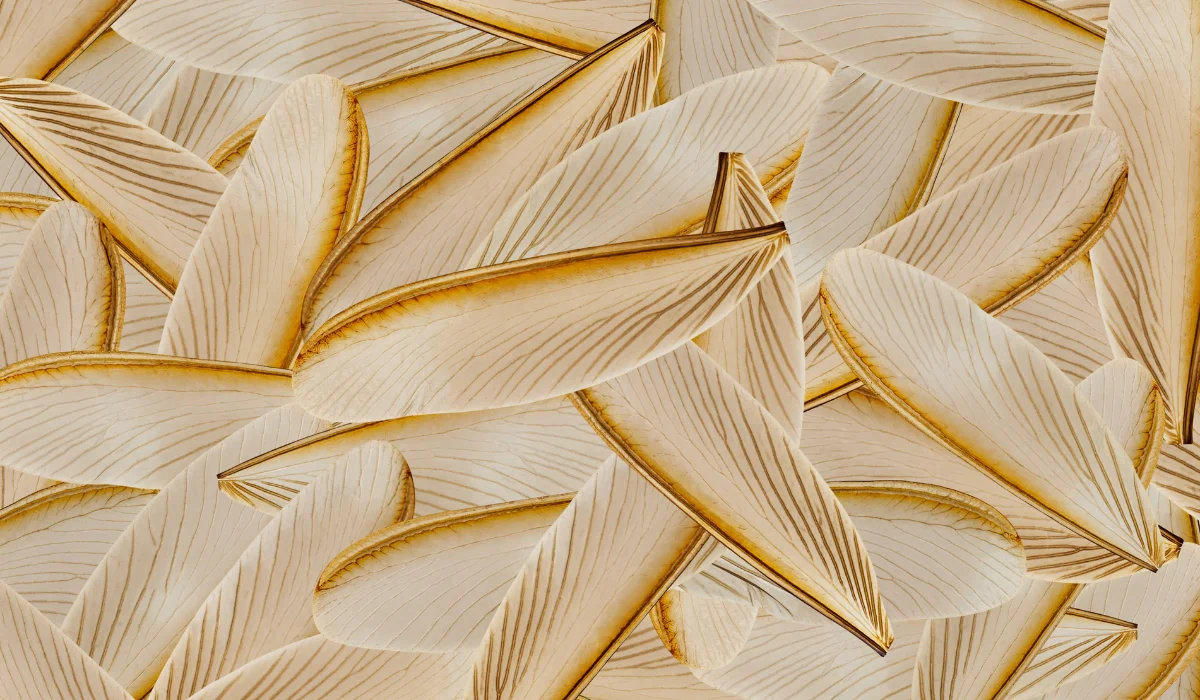
After swarming, termites shed their wings. You may find wings on floors, windowsills, or countertops.
Outdoor swarms are common in Florida. If you see a swarm indoors, termites are likely already living in your home.
Hollow wood and visible termite damage
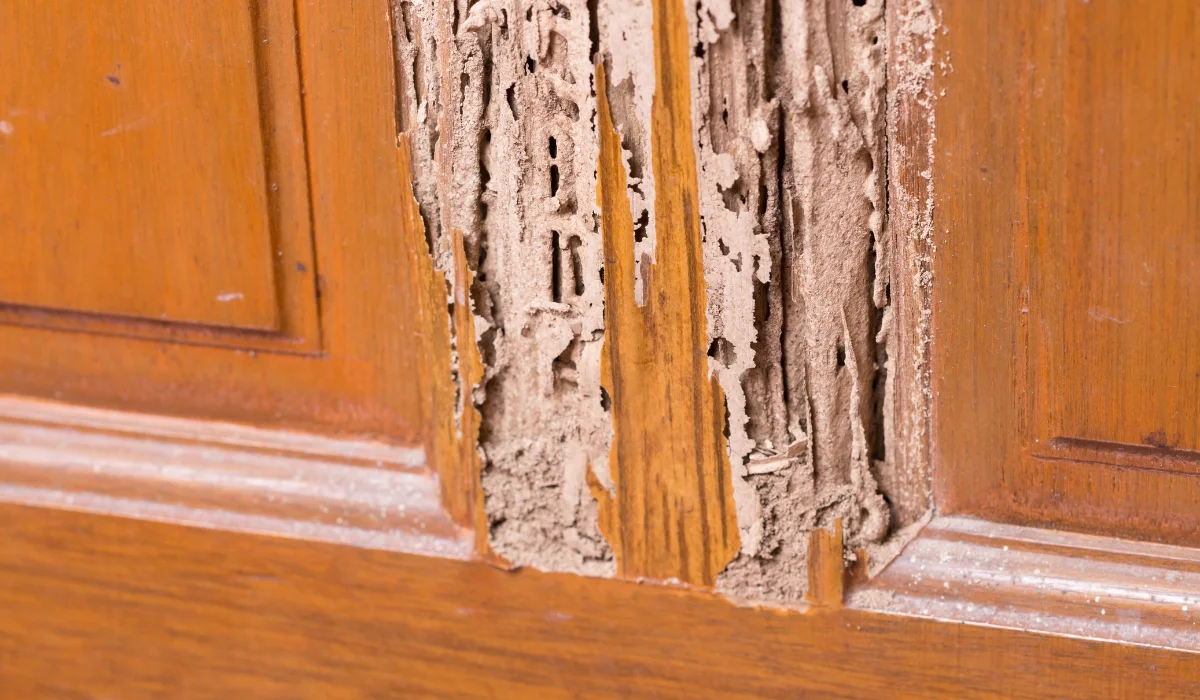
As drywood termites eat wood, they hollow it out from the inside. You may notice:
- Bubbling paint
- Warped trim
- Wood that sounds hollow when tapped
A professional inspection can identify the species and confirm what type of termite caused the damage.
How to tell if you’re seeing swarmers or other termite signs
Not every flying insect is a termite. Correct identification matters because different species require different termite treatment approaches, and homeowners need the right plan for their property.
How to tell termite swarmers from flying ants
Termite swarmers and flying ants look similar during swarming season, but there are clear differences between them. Termite swarmers have straight antennae, equal-length wings, and thick bodies. Flying ants have bent antennae, uneven wing sizes, and a narrow waist.
Looking closely helps you determine whether you are dealing with termites or ants.
Mud tubes vs. frass
Subterranean termites build mud tubes to travel between soil and wood. Drywood termites do not.
If you see mud tubes along your foundation or in crawl spaces, you likely have subterranean termites. If you find frass but no mud tubes, drywood termites are more likely the cause.
Dampwood termites and moisture
Dampwood termites seek high-moisture wood and often infest areas with leaks. Although less common in well-maintained homes, they are one of the main types of termites found in South Florida, according to theFlorida Department of Agriculture and Consumer Services.
Identifying the correct termite species ensures you choose the right treatment options.
What to do if you spot termite activity
Acting quickly during the drywood termite season can significantly reduce your termite problem. Before taking action, understand which steps help and which can make the issue worse.
Avoid DIY sprays and termiticides
Store-bought sprays rarely kill the whole colony. Using the wrong products can drive termites deeper into the wood and make treatment harder.
Schedule a professional termite inspection
Schedule a professional inspection with a trusted Fort Lauderdale pest control company. Our trained technician can confirm the species and recommend treatment.
Regular inspections in Fort Lauderdale and nearby areas help catch infestations early.
Review treatment options
Treatment depends on the size and location of the infestation.
- Small infestations may qualify for spot treatment.
- Severe infestations may require fumigation.
- Subterranean termites often require soil treatments or bait systems.
A licensed pest control company can recommend the right treatment for your home.
Schedule a drywood termite inspection in Fort Lauderdale
This season brings more swarms and visible termite droppings. Since termites remain active year-round in Florida, waiting allows damage to spread.
If you notice signs of termite activity, schedule a professional termite inspection.At Native Pest Management, we provide expert termite control and pest management services throughout Fort Lauderdale and South Florida.
Our team identifies termite species, explains treatment options such as spot treatment or fumigation, and supports long-term termite prevention.
Contact us today or request a free quote and protect your home before a small termite infestation becomes a costly termite problem.
FAQs
When is drywood termite season in Fort Lauderdale?
Drywood termite season typically peaks in late spring and summer months. However, in Florida’s warm climate, drywood termites and other types of termites remain active year-round.
What are common signs of termite activity?
Common signs of termites you can look out for include frass, termite droppings, discarded wings on windowsills, mud tubes from subterranean termites, and hollow wood caused by termite damage.
Do drywood termite infestations always require fumigation?
Not all the time. Some pest control companies can treat some drywood termite infestations with spot treatment. Professionals recommend fumigation for severe infestations affecting multiple wooden structures.