Subterranean Termites in Florida: How to Spot Mud Tubes
Florida’s humid climate is ideal for termites. Subterranean termites cause the most damage by traveling underground into homes, leaving a clear sign: mud tubes.
These small, muddy tunnels may look harmless, but they indicate that termites are active and feeding on your home. Left alone, they cause termite damage, including weakened floors, hollow beams, and even structural problems.
In this guide, you’ll learn what mud tubes are, why termites build them, and where to look in a Florida home. You’ll also see why you shouldn’t ignore them and how pros remove colonies and prevent new ones.
Key takeaways:
- Mud tubes indicate that active subterranean termites are moving between the soil and your home.
- Florida has drywood and subterranean termites; only subterraneans build mud tubes.
- Ignoring signs can lead to costly damage and a faster spread during the termite swarming season.
- Professional treatment (bait systems, liquid termiticides, tenting for drywood) beats DIY
What Are Subterranean Termite Mud Tubes?
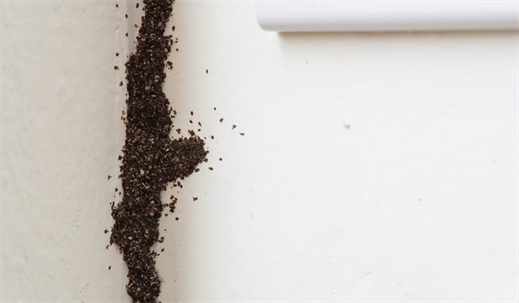
Subterranean termite mud tubes look like thin, muddy lines about the width of a pencil. Termites use soil, saliva, and wood bits to build protective travel tubes. These tubes allow termites to travel safely from the soil to food sources, particularly wooden structures in your home.
You might find mud tubes along the home’s foundation, in crawl spaces, on garage or exterior walls, or near areas with moisture problems like leaking gutters. If you break one open, you may see live termites. Even if you don’t, mud tubes almost always mean an active subterranean termite infestation.
Why Subterranean Termites Build Mud Tubes
Subterranean termites build mud tubes for moisture and protection. Florida’s humidity helps them survive, but they dry out in the open air. Tubes create a safe path from soil nests to the wood they eat.
Subterranean termites primarily feed on cellulose, a component found in wood, paper, and even drywall. Once they find food, they extend tubes to reach new areas. During swarming season, alates (winged termites) leave to start new colonies, which spreads the problem.
Without treatment, a colony can spread, and new subterranean termite colonies can form nearby. That’s why mud tubes are a significant warning sign.
Common Places to Find Mud Tubes in Florida Homes
Check areas where soil and wood or concrete meet. Common spots include:
- Along the foundation, slab edges, piers, and baseboards near exterior walls.
- Inside crawl spaces, especially near pipes, vents, or sill plates.
- Near gutters, downspouts, and drainage areas where moisture builds up.
- On garage walls, support posts, or behind base trim and drywall.
Because Florida can have long swarm seasons, schedule regular inspections to catch activity early.
The Risks of Ignoring Mud Tubes
Ignoring mud tubes allows termites to continue feeding nonstop, often causing severe damage before you notice.
Different termite species cause various problems, but subterranean termites are the most destructive pests in Florida. They can weaken beams, floors, and walls. Once termites eat through and leave behind damaged wood, repairs get expensive, and structural damage can spread quickly.
Even if you scrape off tubes, termites usually rebuild. Professional termite control targets the colony at its source.
Termite Treatment Options in Florida
If you find mud tubes, you need to act fast. DIY methods like scraping them away or spraying with a repellent don’t solve the problem. Professional termite control offers proven treatment options:
- Non-repellent liquid termiticides create a treated zone around the home that termites pass through and share.
- Bait stations (like Sentricon) use termite bait that lures termites to a food source they share, reducing and eliminating the colony over time.
- Fumigation is recommended for multiple types of termites, especially drywood termites, since they often live inside walls.
A pest control company can inspect your home, explain treatment options, and set up a long-term plan that keeps termites away.
Termite Prevention Tips for Florida Homeowners
Prevention matters as much as treatment. Lower your risk by making your home less attractive to termites and reducing the chance of a termite problem before it starts.
Fix leaks in gutters and pipes that add soil moisture. Store firewood well away from the foundation. Seal gaps and cracks. Most importantly, schedule regular inspections to catch signs early.
With steady preventative measures, you can cut termite risk and protect your home year-round.
Protecting Your Florida Home From Termite Activity
For Florida homeowners, spotting subterranean termite mud tubes is a warning sign you can’t ignore. Mud tubes mean a colony is active and growing. Without quick action, your home can suffer extensive damage.
Professional termite inspection and treatment provide the best defense. From bait systems to repellents and fumigation, there are safe and effective methods to eliminate colonies and prevent them from returning.
If you’re worried about mud tubes, Native Pest Management offers expert subterranean termite control designed for Florida homes.
Contact us today to schedule an inspection and protect your home before termites swarm again.
FAQs
What do termite mud tubes look like?
Mud tubes look like small, muddy lines about as wide as a pencil. Termites usually live on foundations, walls, crawl spaces, and other areas where soil meets wood.
Are mud tubes always a sign of a termite infestation?
Yes. Mud tubes mean subterranean termites are active nearby, even if you don’t see live termites. A professional inspection can confirm the level of activity and damage.
Can I remove the mud tubes myself?
Scraping mud tubes won’t stop the underground colony. Only professional treatments, such as bait stations, liquid termiticides, or fumigation, can effectively eliminate the problem.