Earwigs in Florida Bathrooms: Why They Show Up and How to Stop Them
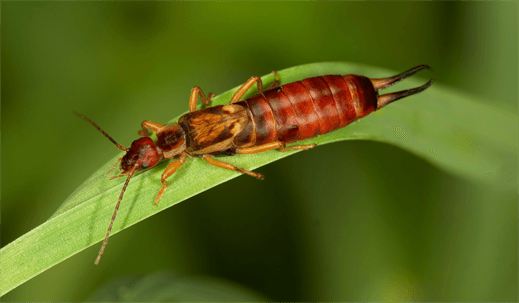
If you’ve flipped on the bathroom light and spotted a slender, dark-colored insect with pincers at the end of its abdomen, it may be an earwig. These mostly nocturnal insects, sometimes called pincher bugs, can startle anyone, but they’re usually more of nuisance pests than a danger.
For many Florida homeowners, bathrooms are common hiding spots for earwigs because of the warmth, moisture, and tight crevices that resemble their natural outdoor shelters.
While earwigs play a role outdoors by eating decaying plant matter, they become unwelcome guests once inside your home. Let’s look at the causes, the warning signs, and practical ways to get rid of them so they won’t come back.
Key Takeaways
- Earwigs are mostly nocturnal insects with pincers at the end of their abdomen that often show up in damp areas like bathrooms.
- Common attractants include mulch, leaks, and excess humidity near entry points.
- Prevent infestations by sealing cracks, improving ventilation, and keeping outdoor areas dry.
- Professional pest control services can help South Florida homeowners keep earwigs and other common pests under control.
Why Earwigs Show Up in Florida Bathrooms
Earwigs are drawn to humidity, damp areas, and organic debris, all of which can be easy to find in a bathroom. Their elongated bodies and cerci (the pincers at the end of their abdomen) help them fit into small crevices.
That’s why they’re drawn to the same conditions that create these problem spots.
Moisture and Excess Humidity
Bathrooms can create earwig-friendly conditions because of frequent water use and moisture. Leaky faucets, poor ventilation, or standing water around sinks can lead to excess moisture, drawing it indoors from the yard.
Because they’re usually active at night, they tend to hide during the day and come out after dark.
Outdoor Conditions and Food Sources
Outside, earwigs live under mulch, leaf litter, and rocks near the home’s foundation.
When these hiding places stay damp, earwigs can thrive in large numbers. From there, they can crawl through cracks and end up indoors, especially when moisture is present, along with mold or mildew and other pests such as silverfish and roaches around sinks, tubs, and baseboards.
Entry Points and Crawlspaces
Earwigs don’t appear out of nowhere.
They enter through small gaps in siding, vents, and crawlspaces, or around pipes leading into bathrooms. Florida’s humid climate can keep these areas damp enough to make indoor hiding spots more appealing.
How to Tell What’s Bringing Them In
Finding one or two earwigs might not mean you have a serious infestation, but seeing them repeatedly in the same area suggests an issue with moisture or exterior access.
Check Around Your Home’s Foundation
If mulch, soil, or wet plant matter sits directly against your home’s foundation, it can attract earwigs. These damp hiding spots can support earwig activity near your walls. Replacing heavy mulch with gravel and trimming back shrubs can make the perimeter less inviting.
Inspect Basements and Crawlspaces
Earwigs may move indoors through basements or crawlspaces, especially after heavy rain. These dark, humid spaces can be convenient hiding spots. Use a flashlight to check for entry points or signs of water pooling that may need better drainage.
Look for Plumbing Leaks
In bathrooms, even a slow drip from a faucet or pipe can create conditions that attract earwigs. Pay attention to damp areas behind toilets, under sinks, and around tubs. A small dehumidifier can help reduce humidity while you fix leaks and improve airflow.
How to Stop Earwigs in the Bathroom
Getting earwigs out of your bathroom starts with understanding what keeps them comfortable inside. Here’s how you can make your space less inviting to them.
Reduce Excess Moisture
Earwigs need moisture to do well, so damp conditions make them more likely to stick around. Run your bathroom fan after every shower, wipe surfaces dry, and check for hidden leaks.
A dehumidifier can help make your bathroom less appealing to these pests, depending on the moisture source.
Seal Cracks and Gaps
Use caulk to close any crevices or small openings around windows, tile edges, or pipe cutouts.
Earwigs can squeeze through tight spaces, especially around small gaps and cutouts. Sealing cracks is a helpful long-term exclusion step that can reduce the number of earwigs that get inside.
Eliminate Outdoor Hiding Places
Remove old mulch, decaying leaf litter, and other hiding places around your yard. Make sure gutters drain properly so water doesn’t pool near the foundation. Keeping your yard tidy limits access to damp areas where earwigs can shelter and lay eggs.
Avoid Relying on DIY Repellents
You might read about using products such as diatomaceous earth or essential oil sprays, but results vary, and these methods may not address the root cause. Earwigs often come from outdoor hiding spots or hidden entry points that may need targeted sealing and a broader plan to address.
A trained pest control company can address the current earwig activity and help reduce the chances of it coming back.
Schedule a Florida Bathroom Pest Inspection
If you’re spotting earwigs in your bathroom week after week, a professional inspection can pinpoint the source of the issue.
Native Pest Management offers pet-friendly pest control services for earwigs, termites, silverfish, and other pests common in South Florida homes. Our experienced team uses proven methods to eliminate earwigs and help reduce moisture conditions that attract them.
Contact us to schedule your inspection or request your free quote today.
FAQs
Are earwigs dangerous to people or pets?
No. Although their pincers may look threatening, earwigs rarely pinch and do not spread disease. They do not crawl into people’s ears, despite the myth.
How can I tell if I have an earwig infestation?
Seeing multiple earwigs around damp areas like bathrooms, basements, or crawlspaces can be a sign that moisture and shelter are available nearby. Check for entry points outside and moisture indoors.
What’s the best way to get rid of earwigs long-term?
Reduce humidity, use caulk to seal cracks, and remove outdoor mulch or debris. For recurring infestations, call a trusted pest control company like Native Pest Management for professional pest control and practical prevention recommendations.