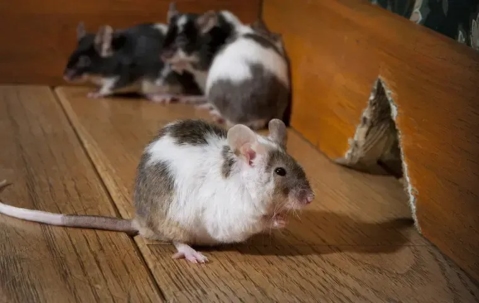
What Smells Do Mice Hate? What Works vs. What’s Just a Myth
If you see droppings in your pantry or hear scratching in the walls, mice or other critters may be inside your home. Mice often enter Florida homes, especially during cooler weather. Many homeowners try strong smells like peppermint oil or mothballs, but do these methods really work?
Some scents may temporarily bother mice, but most will not stop an infestation. Mice adapt quickly and often ignore smells once food is nearby. Knowing which scents work and which ones fail helps you choose better ways to keep mice out.
This guide explains which scents may repel mice, which are ineffective, and when to call a rodent control service in South Florida.
Key Takeaways
- Peppermint oil, cayenne pepper, and clove oil can help repel mice, but they won’t fix a serious infestation.
- Mothballs and dryer sheets are mostly myths and can even be unsafe.
- Sealing entry points and removing food sources are the best long-term ways to deter mice.
- For constant mouse activity, professional rodent control is the most reliable solution.
Video Guide: Mice 101
Knowing more about mice helps you stop them faster. This short video shows the most common mouse species, where they live, and how they sneak into homes. Watch it to learn how to spot signs of mouse activity and understand why certain scents work better than others to keep them away.
How Mice Use Their Sense Of Smell
Mice rely heavily on smell to find food, avoid danger, and build nests. Their noses can detect even very faint smells. A strong scent can bother mice and cause them to avoid certain areas.
For this reason, many DIY mouse control methods focus on scent. Still, smells fade fast. A few drops of peppermint oil or vinegar will not stop mice if food is nearby.
If you see signs of mice in your home or garage, do not rely on scent alone. Effective control starts with finding mice entry points in your home and sealing them to stop mice from returning.
Do Essential Oils Repel Mice?
Essential oils like peppermint, eucalyptus, and clove are common home remedies for mice. The strong smell can irritate a mouse’s nose, so mice may avoid those areas for a short time.
Some homeowners soak cotton balls in peppermint oil and place them near baseboards or entry points. This method may deter mice, but the effect is short-lived. You must replace the cotton balls often because the scent fades quickly.
Eucalyptus oil and clove oil work the same way, but none of these oils fixes the problem long-term. Use these oils as part of a larger plan, not as the only solution. For lasting results, seal gaps, remove food sources, and use professional mouse control when needed.
The Truth About Mothballs, Dryer Sheets, And Other Myths
Many people believe mothballs or dryer sheets keep mice away. This claim is a myth.
Mothballs contain chemicals that release a strong odor. To repel mice, the smell would need to be so strong that it becomes unsafe for people and pets.
The Connecticut Poison Control Center warns that even a single mothball can be toxic if swallowed and that exposure can harm blood cells, with symptoms sometimes appearing days later. Because of these risks, mothballs are not safe to use indoors as a rodent repellent.
Dryer sheets may cover mouse scent trails for a short time, but the smell fades fast. Once the scent fades, mice return. White vinegar and chili powder sprays are only effective for a short time and require frequent reapplication.
For safer, more effective mouse control, combine a natural mouse repellent with professional pest management services. This approach targets smells, entry points, and nesting areas.
Spicy Scents: Cayenne Pepper, Chili Oil, And Capsaicin
If you’ve ever handled hot peppers, you know how strong they smell. Cayenne pepper, chili oil, and chili powder contain capsaicin, the same compound that gives peppers their heat. When mice inhale it, it irritates their noses, making these spicy smells unpleasant to them.
You can sprinkle cayenne pepper or chili powder along baseboards and entry points. Some people mix chili oil with water and spray it around doors, garages, or cabinets. These scents may provide a short-term deterrent and repel mice.
Spicy products fade fast and require frequent use. These products can irritate eyes and skin if used often. These methods may deter mice briefly, but they do not remove an infestation or stop nesting.
If you still see droppings or hear scratching, especially at night, a pest control professional can help get rid of mice in your walls by locating access points and addressing nesting areas.
Other Smells That May Deter Mice
In addition to peppermint oil and chili powder, other scents can make mice uncomfortable. Cinnamon sticks, menthol, and even predator urine (like fox or cat scent) can keep mice away for a bit.
According to research from the Howard Hughes Medical Institute, predator odors, including urine, trigger fear responses in mice, causing them to freeze or avoid the area.
Cleaning crumbs and storing food in airtight containers helps prevent mice from returning. These steps also support natural solutions for getting rid of mice in Florida, where warm weather allows mice to stay active year-round.
We provide comprehensive mouse control services across South Florida to eliminate infestations and prevent future entry.
When Scents Aren’t Enough
Even after trying many scents, mice can still get inside. Mice can enter through holes as small as a dime. Once inside, smells alone do not stop mice.
To get rid of mice, seal gaps with steel wool, remove food sources, and place mouse traps in key areas. If these steps fail, a pest control expert becomes necessary.
Our rodent control service includes finding and sealing entry points, trapping mice, and installing long-lasting prevention materials that are safe for families and pets.
Making The Right Mouse Control Choice For Your South Florida Home
Mice are clever and persistent, so scents alone aren’t enough to keep them away. While mice hate strong smells like peppermint, cayenne, and clove oil, you’ll need more than that for lasting control.
If you live in South Florida, whether in West Palm Beach, Fort Lauderdale, or Port St. Lucie, our team at Native Pest Management can help you keep mice out with safe, proven treatments and expert pest control.
If you’re seeing signs of a mouse infestation, contact us today for reliable, pet-friendly rodent control that works.
FAQs
What scent keeps mice away in South Florida homes?
Peppermint oil and cayenne pepper can temporarily repel mice, but they don’t solve infestations. For homes in South Florida, combine natural repellents with sealing entry points and expert pest control for the best results.
Do dryer sheets keep mice away in West Palm Beach?
Dryer sheets might cover up smells for a short time, but they don’t keep mice away long-term. For reliable results in West Palm Beach homes, it’s best to schedule professional rodent control.
What should I do if I find mouse droppings in my Fort Lauderdale kitchen?
Clean the area, store food in airtight containers, and check for entry points. If you continue to find droppings, contact Native Pest Management for a rodent inspection and comprehensive pest management.