.2512221628330.png)
What Types of Tiny Ants in Fort Lauderdale, FL? (ID Guide)
Seeing lines of tiny ants on your countertops or along baseboards can feel frustrating. Many Fort Lauderdale homeowners deal with ants year-round because Florida’s warm, humid climate helps ants survive. Even clean homes can attract ants when moisture or food is nearby.
Tiny ants in Fort Lauderdale, FL, often appear without warning. One day, your home looks clear. The next day, worker ants form trails that disappear into walls, cracks, or behind appliances. Many tiny ants look alike, making it hard to identify the species or assess the severity of the problem.
This guide explains common ants found in Fort Lauderdale homes, how to identify them, where they hide, and when professional ant control in Fort Lauderdale, FL, is most effective.
Key Takeaways:
- Several ant species are problematic in Fort Lauderdale, including ghost ants, sugar ants, odorous house ants, pharaoh ants, Argentine ants, and fire ants.
- Worker ants are usually the first sign of an active ant infestation inside a home.
- A ghost ant infestation often starts indoors near moisture and spreads quickly.
- Professional ant control targets colonies and helps prevent ants year-round.
Video Guide: 10 Common Types of Ants You May Encounter
This video explains 10 ant species commonly found in Florida. Watching helps you compare size, color, and behavior to identify ants in your Fort Lauderdale home. Pairing this visual guide with the article helps you confirm the type of ant you’re dealing with and choose the proper next steps.
What Types of Ants Are Most Common in Fort Lauderdale?
Florida’s climate allows many ant species to stay active year-round. In Fort Lauderdale, both indoor and outdoor ants regularly invade homes in search of food and water. Understanding the common types of ants helps determine the right ant control approach.
Ghost Ants
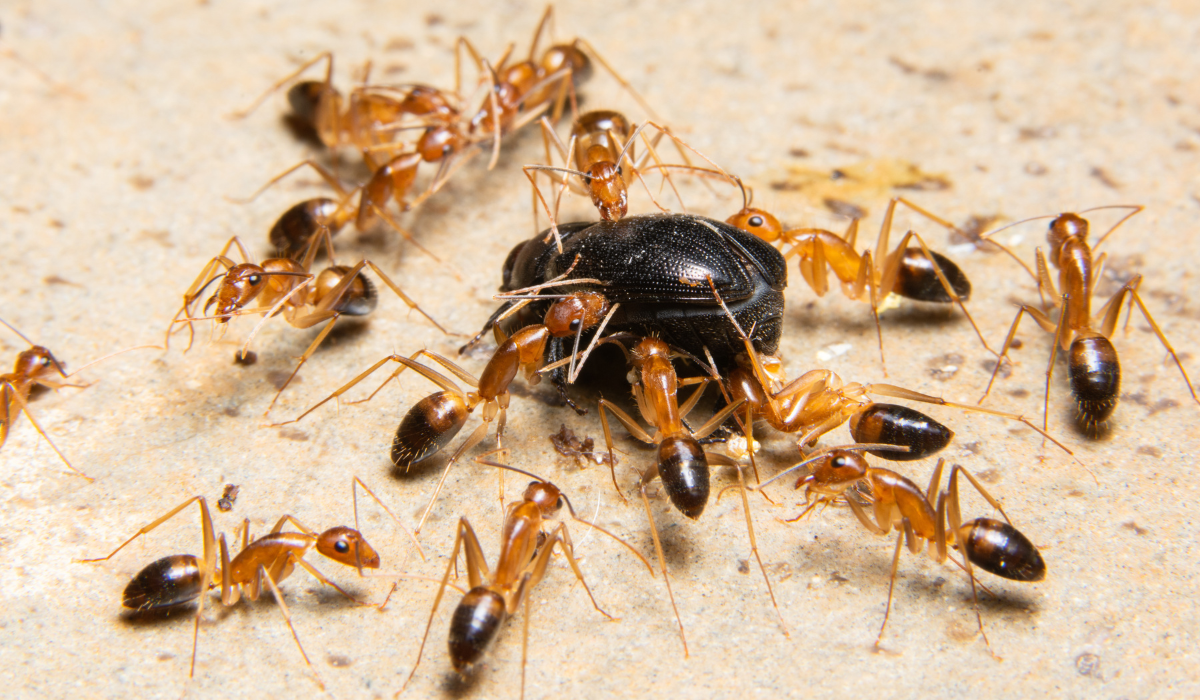
Ghost ants are among the most common ants found indoors in Florida. These tiny ants measure about 1.5 millimeters long. They have a dark head and thorax with a pale, see-through abdomen. Their small size makes them hard to spot, especially on light surfaces.
A ghost ant infestation often begins when worker ants enter through tiny cracks near windows, doors, or plumbing. They prefer sweet food sources such as syrup, fruit, and honeydew produced by aphids. Ghost ants commonly nest inside wall voids, behind baseboards, and under countertops.
DIY sprays kill visible ants but usually miss the colony. Professional ant baits are more effective because worker ants carry the bait back to hidden nests, eliminating the problem at its source.
Sugar Ants
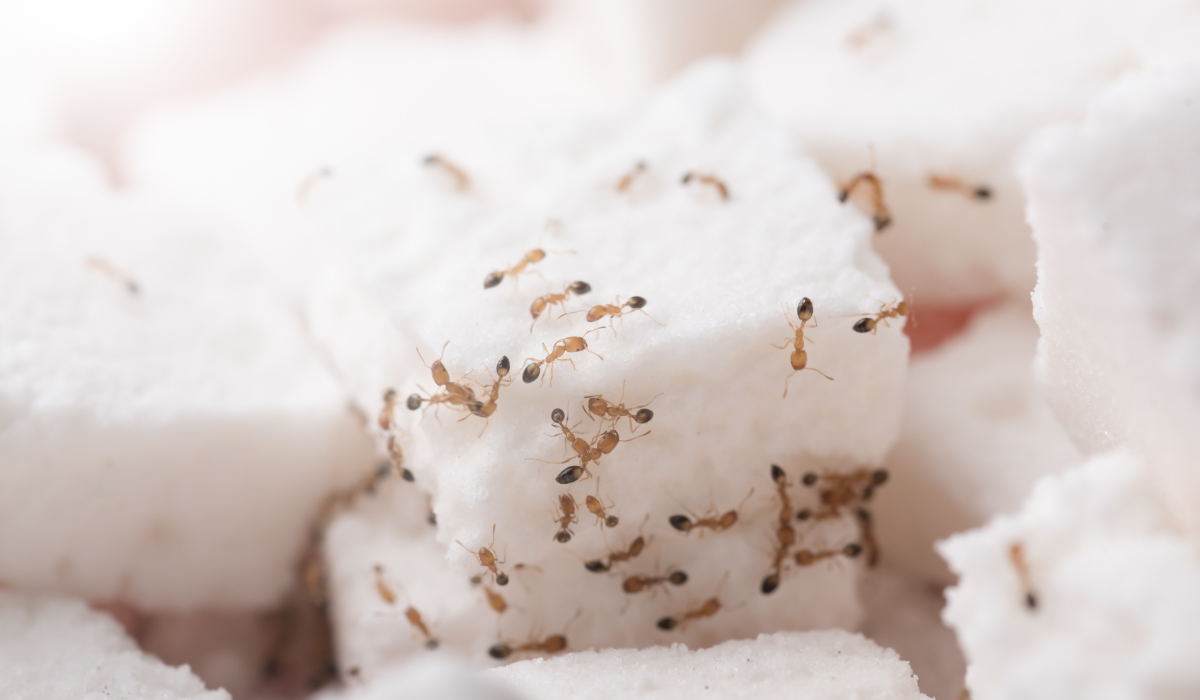
Sugar ants describe several small ants attracted to sweet foods. In Florida homes, you will often see sugar ants in kitchens, pantries, and around trash areas. These small ants form clear ant trails as worker ants move back and forth between food sources and their nests.
Sugar ants may nest in crevices, under floors, or outdoors near foundations. If you want to get rid of sugar ants, you can start by cleaning up spills and storing food in airtight containers, which helps reduce activity. These steps do not remove an established colony.
Odorous House Ants
.2512221628330.png)
Odorous house ants are small brown ants known for the strong smell they release when crushed. They often invade Fort Lauderdale in search of sugary or greasy food and moisture. These ants form large colonies with many queens, which helps the colonies grow and spread quickly.
Odorous house ants often nest under baseboards, inside wall voids, or near leaky pipes. Because colonies can relocate when disturbed, professional pest control is typically required to fully resolve the ant problem.
Pharaoh Ants

Pharaoh ants are tiny, light yellow ants with darker abdomens. They prefer warm, humid indoor spaces and commonly nest in wall voids, behind appliances, and near electrical outlets. These ants form new colonies, which makes control difficult.
Using repellents or improper DIY treatments can cause colonies to split, leading to more worker ants throughout the home. Professional ant control is the safest way to eliminate pharaoh ants without making the infestation worse.
Argentine Ants
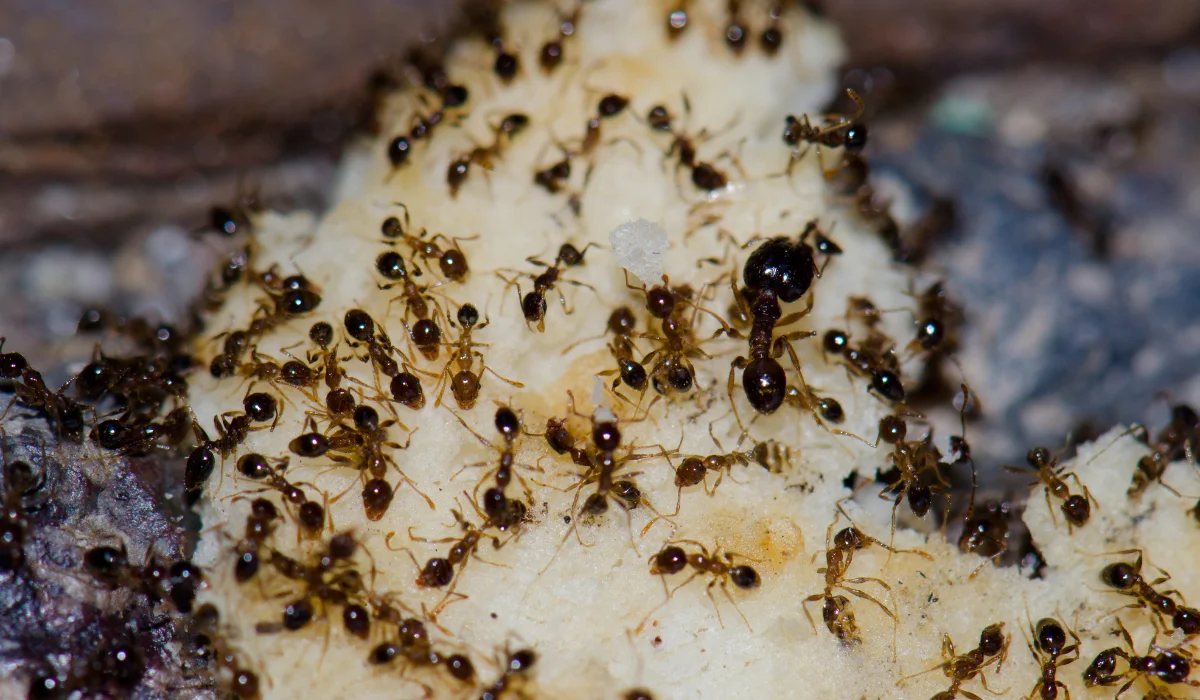
Argentine ants are small, brown ants that form massive ant colonies outdoors. They often nest in moist soil near foundations, gutters, and potted plants. From there, worker ants enter homes through tiny cracks and entry points.
Argentine ants attack other ant species and often take over large areas. Sealing entry points with caulk and managing moisture helps, but professional pest control is usually needed to eliminate entire colonies.
Fire Ants
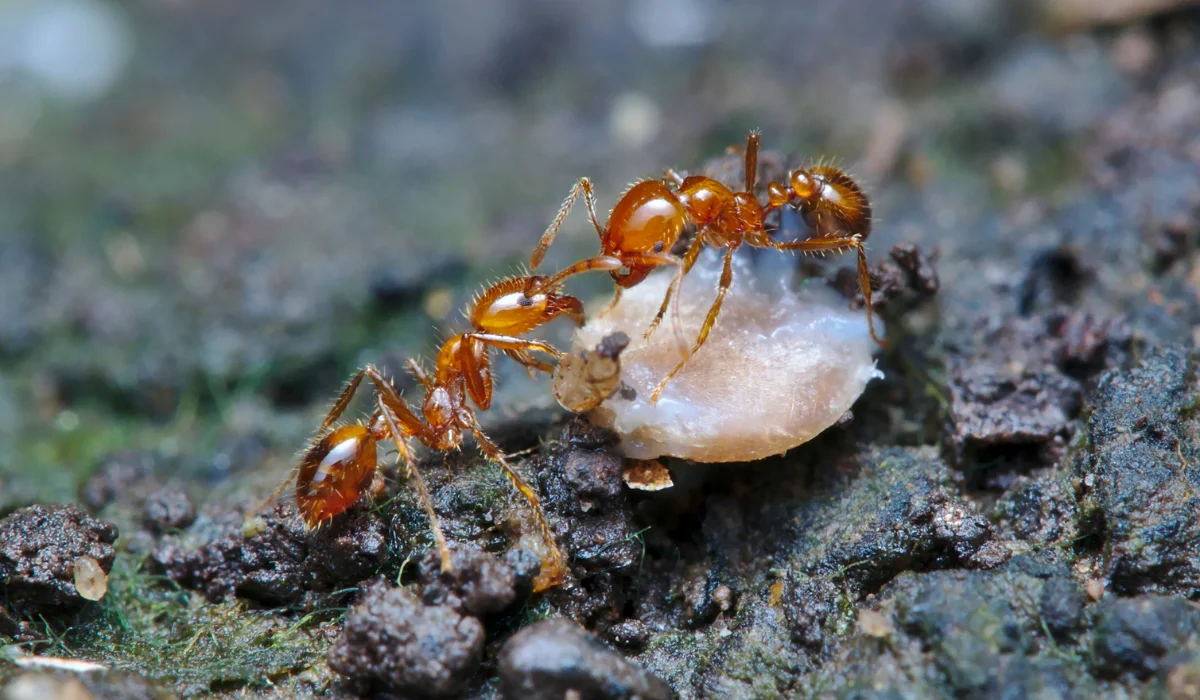
Fire ants are reddish-brown and known for their painful stings. In Fort Lauderdale, fire ants build soil mounds in lawns, near sidewalks, and around foundations. After rain, colonies may spread and form new nests quickly.
Fire ants pose a significant risk to families and pets. Professional treatment is the safest way to manage fire ants and prevent new colonies from forming near your Florida home.
Homeowners often confuse these ant species, which makes proper identification essential for effective ant control.
At Native Pest Management, we offer a comprehensive ant control service for Fort Lauderdale homes. Our team identifies the ant species in your home before delivering the appropriate treatment.
What Do the Different Types of Ants in Fort Lauderdale Look Like?
Correct identification begins with observing size, color, and behavior. Most infestations start when workers enter in search of food or water.
Ghost ants look pale and nearly transparent, making them difficult to see. Sugar ants are darker and slightly larger. Odorous house ants release a noticeable smell when crushed. Pharaoh ants are light yellow and very small. Argentine ants are brown and move in heavy trails. Fire ants are darker red and more aggressive outdoors.
Because ants can be mistaken for termite swarmers, especially during humid months, professional identification helps ensure proper treatment for both ant and termite concerns.
Our team can accurately identify ant species and recommend safe, pet-friendly solutions for homes in Fort Lauderdale.
Where Do Different Types of Ants Hide in Fort Lauderdale Homes and Yards?
Ants choose nesting areas based on food, moisture, and shelter. Inside Fort Lauderdale homes, ants commonly nest in wall voids, under baseboards, behind appliances, and around leaky pipes.
Kitchens and bathrooms are common problem areas because crumbs, spills, and humidity attract workers seeking food and water. Pantries and countertops often become active once ants establish steady trails.
Outdoors, ant colonies form in protected, damp areas such as under pavers, in mulch beds, near gutters, and along foundations. Potted plants are another common hiding spot, mainly when the soil stays moist.
From these outdoor nests, ants use small cracks and entry points to move indoors, particularly during heavy rain or extreme heat. If you want to keep ants away from your yard, you can try several DIY solutions, like pouring boiling water and using diatomaceous earth.
Sealing entry points, fixing leaky pipes, and regular cleaning can reduce ant activity, but these steps rarely eliminate an established ant problem. Once colonies are hidden behind walls or beneath structures, professional pest control is often needed to locate nests and fully get rid of ants.
Which Types of Ants in Fort Lauderdale Are Dangerous or Destructive?
Most tiny ants found in Fort Lauderdale homes are considered nuisance pests, but some species pose greater risks than others.
Fire ants are one of the biggest concerns outdoors. Fire ant stings rank 1 out of 4 on the Schmidt pain index. Their painful stings can cause welts, infections, or allergic reactions, especially for children and pets. Homeowners should always handle fire ant mounds near walkways, lawns, or entry points with care.
Pharaoh ants are another concern indoors. While they don’t sting, they can contaminate food as worker ants move through pantries, countertops, and food storage areas.
According to a study by the University of Florida IFAS, pharaoh ants can transmit more than a dozen pathogens, including Salmonella. Carpenter ants, though larger than tiny ants, can damage damp or rotting wood, potentially leading to costly repairs if left unchecked.
Ants are also sometimes mistaken for termite activity, particularly when winged insects appear indoors. Termites cause severe structural damage by feeding on wood from the inside out.
Because ant and termite activity can overlap in humid Florida homes, professional inspections help identify the pest correctly and protect your home from long-term damage.
Making the Right Ant Control Choice for Your Fort Lauderdale Home
Tiny ants may seem minor at first, but they often signal a larger ant problem hidden behind walls or under floors. Seeing worker ants indoors usually means there’s already an established colony nearby.
At Native Pest Management, we use proven ant baits and targeted treatments that eliminate colonies rather than just surface activity. Our pet-friendly approach helps keep Fort Lauderdale homes pest-free while addressing ants and reducing the risk of future infestations.
Contact us today to schedule an ant inspection.
FAQs
Why are tiny ants so common in Fort Lauderdale, FL?
Tiny ants are common in Fort Lauderdale because the warm, humid climate supports year-round ant activity. Frequent rain, sandy soil, and dense neighborhoods give ants easy access to moisture, food, and shelter. Homes with plumbing, kitchens, and small entry gaps often attract worker ants searching for resources.
How can I identify different types of tiny ants quickly?
You can identify tiny ants by checking color, size, trails, and behavior. Ghost ants look pale and hard to see, while odorous house ants smell when crushed. Heavy trails often point to Argentine ants. If ants keep returning or spreading indoors, a professional inspection can help confirm the species.
Do certain types of tiny ants only appear in certain seasons?
In Fort Lauderdale, tiny ants remain active year-round, but activity increases during warmer, wetter months. Heavy rain often pushes ants indoors, while dry heat sends them searching for water. Homeowners should watch for sudden trails near sinks, baseboards, and kitchens during seasonal weather changes.