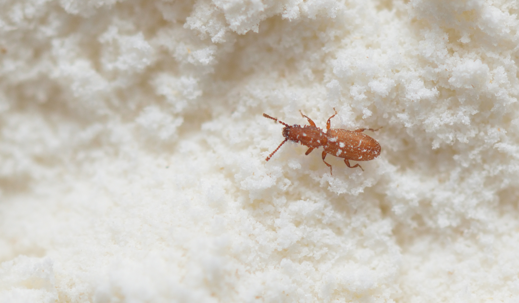
Tiny Crawling Bugs In My Kitchen In Miami, FL: What To Do
Seeing tiny crawling bugs in your kitchen can be stressful, especially in Miami. You might spot small black bugs near the sink, along baseboards, or inside cabinets. Even clean Miami kitchens can attract pests because they thrive on warmth, water, and humidity.
The problem often starts small. A few bugs may show up near the garbage disposal or behind appliances. Because Florida remains warm, many pests remain active year-round. When they find water and food, they lay eggs and grow rapidly.
This guide explains why tiny crawling insects appear in Miami kitchens, what their presence means, how to get rid of them, and how to prevent them from coming back. You will also learn when to call for professional pest control in Miami, FL.
Key Takeaways
- Tiny crawling bugs in Miami kitchens usually follow moisture and food. Leaky sinks, damp cabinets, and easy access to food provide pests with everything they need to remain active.
- Florida’s weather enables infestations to grow quickly. Warm temperatures and high humidity allow pests survive and reproduce year-round.
- Cleaning alone rarely removes the entire infestation. Many bugs hide behind walls, under appliances, or inside cabinets where surface cleaning cannot reach.
- Professional pest control offers lasting protection. Targeted treatments stop pests at the source and help keep Miami kitchens pest-free long term.
Video Guide: How To Identify Weevils In Your Miami Kitchen
Not sure if the tiny crawling bugs in your kitchen are weevils or something else? This video helps Miami homeowners spot weevils, understand where they come from, and tell them apart from other common kitchen pests mentioned in this article.
Why Are There Tiny Crawling Bugs In your Kitchen In Miami, FL?
Tiny crawling insects show up in Miami kitchens because kitchens provide them with what they need to live. Water, warmth, and food make kitchens prime locations for pests in Florida homes.
Roaches, ghost ants, fire ants, pantry pests, fruit flies, mites, and fleas can all show up in kitchens. Pantry pests, such as weevils, often enter through food packaging. Millipedes may also enter kitchens when water accumulates near sinks, baseboards, or exterior walls.
Once pests enter cabinets, some lay eggs and spread to nearby food areas. Roaches can slip through small gaps around pipes and walls, even in newer homes.
Miami’s climate also plays a big role. High humidity keeps cabinets damp longer. Heavy rain pushes pests indoors. Overflowing gutters can cause water to accumulate near the home and provide entry points for pests. Even without basements, Florida homes have spaces within the walls that can retain heat and moisture.
When these conditions persist, bug activity can increase rapidly. A local pest control professional can help find the cause and treat it.
What Does It Mean When You Find Tiny Crawling Bugs In Your Kitchen?
If you see tiny crawling bugs in your Miami kitchen, it is usually not by chance. One bug often means more are hiding. Many pests move at night and hide during the day, so the problem can be easy to miss.
Look for signs such as droppings in cabinets, shed skins near baseboards, or larvae near food storage. Pantry pests chew through packaging. Cockroaches leave droppings behind appliances. Spotting antennae without seeing the full bug often indicates roaches nearby.
Some pests can affect your health. Roaches cantrigger allergies. Fleas can enter kitchens when pets walk through. Mites can spread from houseplants or stored boxes. Bed bugs do not live in kitchens, but they can crawl through from other rooms. Termites rarely live in kitchens, but wet wood near sinks can attract them nearby.
If bugs keep showing up or spread past the kitchen, a pest control professional can identify the pest and stop the problem early.
How Do You Get Rid Of Tiny Crawling Bugs In Your Kitchen In Miami, FL?
Getting rid of tiny crawling insects in your kitchen in Miami, FL, takes more than a quick cleaning. Warm weather, high humidity, and hidden entry points allow bugs to stay active and return quickly. The best results come from acting promptly and addressing the conditions that attract them.
This step-by-step approach helps remove active bugs, clean the kitchen, and reduce the risk of recurrence.
Step-by-Step Immediate Actions
Start by safely removing any visible crawling insects. Use a vacuum cleaner instead of wiping or crushing them, especially near food-prep areas. Vacuuming removes bugs, droppings, and eggs simultaneously. Throw the vacuum bag away outside right away.
Next, clean the kitchen thoroughly. Wash counters, shelves, cabinet floors, and baseboards with soap and water. Pay close attention to corners, cracks, and areas near the sink, stove, and refrigerator where bugs often hide.
Check food items and storage areas. Discard any food, boxes, or packaging that show signs of insects, holes, or larvae. Leaving infested items behind is one of the main reasons homeowners struggle to get rid of pantry bugs for good.
If tiny crawling insects keep reappearing after these steps, contact a pest control company in Miami, FL. A professional inspection can identify hidden activity and address the root cause.
If you use store-bought products, always follow the EPA safe pesticide guidelines to protect your family and pets.
Room-Specific Removal Techniques for Kitchens
Deep clean kitchen surfaces, including counters, cabinet interiors, and pantry shelves. Remove all food sources and store dry food and pet food in airtight containers. Clean under and behind appliances where crumbs and moisture build up.
Seal gaps behind stoves, refrigerators, and dishwashers with caulk to block entry points. Reducing moisture and sealing hiding spots helps keep small crawling insects out of Miami kitchens over the long term.
When DIY Works and When it Doesn’t
DIY steps can help with a few fruit flies or a small pantry pest problem. DIY often fails once pests lay eggs or move into the walls. If bugs keep showing up after cleaning, the problem may be in the walls or behind appliances.
At that point, professional pest control is often the safest choice. Our team can treat hidden areas and help prevent recurring issues.
What Attracts Tiny Crawling Bugs To Kitchens In Miami, FL?
If tiny crawling bugs keep coming back, something is attracting them. Moisture is the biggest reason. Leaky pipes, damp cabinet floors, and standing water near the sink create ideal conditions for pests. Even small drips or pipe sweat can attract bugs in Florida’s humidity.
Food is the next big reason. Crumbs on counters and grease on cabinets feed pests. Thin food packages and pet bowls also give pests food. Gunk in the garbage disposal can also feed pests.
Cardboard boxes absorb moisture and provide insects with hiding places, so do not store them in cabinets. Houseplants can attract mites or other tiny insects that crawl from the soil to nearby cabinets and counters.
Florida weather intensifies these issues. According to the University of Florida, many insects are sensitive to temperature changes and respond favorably to even slight increases.
Heavy rain pushes pests indoors when outdoor areas flood. High humidity keeps kitchens damp longer than expected, even with air conditioning running. Gutters that overflow allow moisture to collect near the foundation, creating easy entry points for pests seeking shelter.
At Native Pest Management, we identify these attractors during inspections and help homeowners eliminate them to prevent pests from returning to Miami kitchens.
How Do You Prevent Tiny Crawling Bugs From Coming Back To Your Kitchen In Miami, FL?
Preventing tiny crawling insects from returning to your kitchen in Miami, FL, requires consistent habits and whole-home care. Because Florida stays warm and humid, bugs stay active year-round. If food, moisture, or entry points remain, bugs often return even after cleaning.
Using the checklist below helps reduce pest attractants and lower the risk of recurring problems.
Room-Specific Prevention Checklist
- Control moisture: Dry the sink and counters every day. Fix leaking pipes and check under cabinets for damp spots. Run the exhaust fan while cooking to lower humidity. In very humid homes, a small dehumidifier near the kitchen can help.
- Seal entry points: Use caulk to seal gaps around plumbing, baseboards, cabinet corners, and wall openings. Check around windows, vents, and behind appliances. Even tiny gaps can let bugs inside Miami kitchens.
- Reduce attractants: Store dry food and pet food in airtight containers. Remove trash daily and rinse trash cans regularly. Wipe cabinets to remove grease. Avoid storing cardboard, paper bags, or other clutter in cabinets, as these items retain moisture and provide hiding spots for insects.
- Improve airflow and lighting: Good airflow helps surfaces dry faster. Keep cabinets organized and avoid overcrowding. Well-lit areas make it easier to spot early signs of insect activity before it spreads.
Learn how quarterly pest control plans and exclusion services can help support long-term kitchen prevention.
Whole-Home Prevention Steps
Kitchen prevention is most effective when the rest of the home is protected. Seal exterior gaps around doors, windows, and utility lines. Keep gutters clear so water drains away from the foundation.
Reduce standing water in the yard and keep mulch away from the home’s exterior. Because of Miami’s climate, schedule seasonal inspections to catch pest issues early.
When Should You Call A Professional For Tiny Crawling Bugs In Your Kitchen?
Call a professional if tiny crawling bugs appear daily, spread beyond the kitchen, or return after you clean. Lots of small black bugs, droppings in cabinets, or daytime bug activity can mean a bigger problem. These signs can point to pests hiding in walls, under appliances, or deep in cabinets.
Health risks matter too. Roaches can trigger allergies and breathing problems, especially in kids. Fleas can spread fast when pets walk through the kitchen. Mites can irritate skin. Bed bugs can crawl through kitchens and spread to other rooms. Termites may not live in kitchens, but wet wood near sinks can draw them close to the home.
If you cleaned, sealed gaps, and tried store-bought products but bugs return within a few days, call a professional. A local pest control company can inspect your home, treat the source, and help stop repeat problems.
Making The Right Choice For Tiny Crawling Bugs In Your Kitchen In Miami, FL
Many Miami residents see tiny crawling insects in their kitchens because moisture, easy access to food, and Florida’s climate create ideal conditions for pests. Kitchens often remain warm and damp, allowing insects to stay active year-round. Even clean homes can deal with this problem.
At Native Pest Management, we specialize in Miami pest control, using safe, effective methods tailored to Florida homes.
Contact us today to schedule a free inspection and prevent tiny crawling bugs from becoming a larger infestation.
FAQs
Why are tiny crawling bugs common in Miami kitchens?
Miami kitchens attract pests because Florida stays warm and humid year-round. Moist areas, frequent rain, and easy access to food allow pests to survive and multiply indoors.
Are tiny bugs in one room a sign of a bigger problem in Miami homes?
Yes. In Miami, pests spread quickly. Bugs in the kitchen often mean activity inside walls or nearby rooms, especially with cockroaches, mites, or pantry pests.
What’s the fastest way to get rid of tiny crawling bugs in your kitchen in Miami, FL?
Cleaning helps in the short term, but the fastest long-term solution for Miami homes is professional pest control from Native Pest Management, which removes the source and prevents repeat infestations.