
Spiders are a common sight in Florida homes, especially in areas like garages, attics, basements, and crawlspaces. While most are harmless, some species can become a nuisance or even pose health risks.
Here’s a look at some of the most common house spiders in Florida and what you need to know about them.
Key Takeaways
Pest assessment
Native Field Report
Florida homes host spiders ranging from medically significant to genuinely beneficial — here are seven to know.
1. Southern Black Widow
VenomousWhat it is
Glossy black body, red hourglass on abdomen
Where it turns up
Woodpiles, garages, crawlspaces
The Native read
Bites are painful and warrant medical attention.
2. Brown Widow
VenomousWhat it is
Light brown body, orange hourglass underside
Where it turns up
Outdoor furniture, eaves, mailboxes
The Native read
Potent venom; injects less than black widow.
3. Brown Recluse
Rarely found hereWhat it is
Violin-shaped mark on back
Where it turns up
Attics, basements, storage areas
The Native read
Not common in Florida; seek care if bitten.
4. Sac Spider
Mild venomWhat it is
Small, pale; builds silk sacs in corners
Where it turns up
Wall and ceiling corners, closets
The Native read
Bites can irritate; not considered dangerous.
5. Wolf Spider
Low concernWhat it is
Large, hairy; does not build webs
Where it turns up
Garages, crawlspaces, basements
The Native read
Bites cause mild irritation; not dangerous.
6. American House Spider
NuisanceWhat it is
Small, dark brown or gray; messy cobwebs
Where it turns up
Closets, basements, garages
The Native read
Bites rare; only mild irritation reported.
7. Jumping Spider
BeneficialWhat it is
Small, fuzzy; large front eyes
Where it turns up
Windowsills, walls, ceilings
The Native read
Actively hunts insects; low concern indoors.
Less product. Solved sooner.
- Florida homes have spiders like house spiders, jumping spiders, and cellar spiders that are harmless to people.
- Some spiders, like black widows and brown recluses, have venomous bites that may need medical attention.
- Keeping spiders out means sealing gaps, cleaning up clutter, removing webs, and controlling other bugs.
- Pest control services offer inspections, custom treatments, web removal, and long-term protection.
 1. American House Spider
 1. American House Spider
The American house spider is one of the most frequently encountered spiders in Florida homes. These small, dark brown, or gray spiders build messy cobwebs in quiet, undisturbed areas such as closets, basements, and garages.
Though they may look intimidating, these domestic house spiders are not dangerous to humans. Their bites are rare and generally cause only mild irritation.
2. Southern House Spider
 2. Southern House Spider
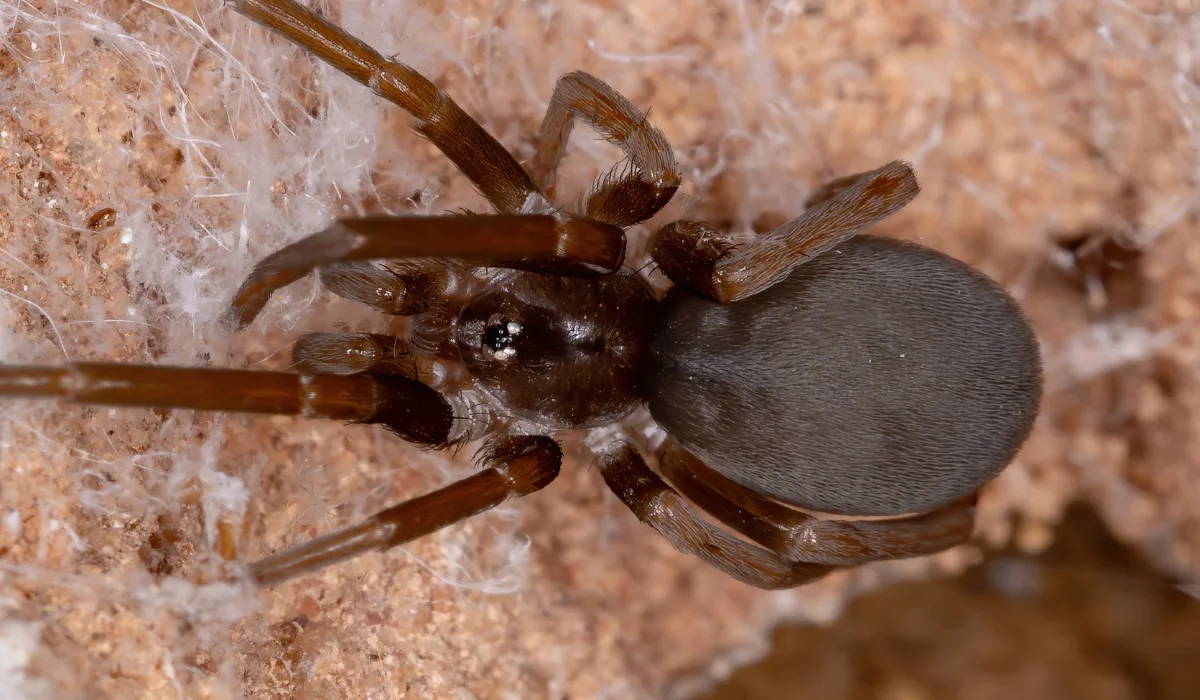
The southern house spider is often mistaken for the more dangerous brown recluse spider due to its dark brown color and similar body shape.
However, unlike the brown recluse, it does not have a violin-shaped mark on its back. These spiders are commonly found in crevices around windows, doors, and attics.
While they are large and fast-moving, they are harmless to humans.
3. Southern Black Widow Spider
 3. Southern Black Widow Spider
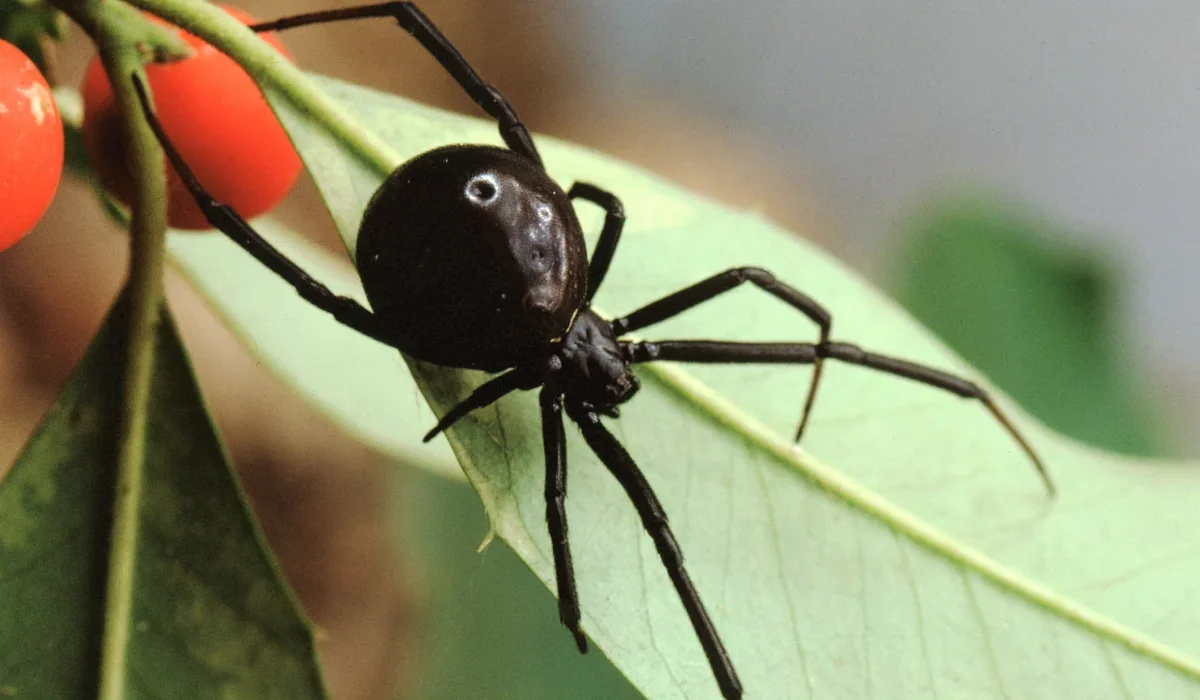
The southern black widow spider is one of Florida’s most well-known venomous spiders. It can be identified by its glossy black body and the distinctive red hourglass marking on its abdomen.
Black widows prefer dark, sheltered spaces like woodpiles, garages, and crawlspaces. Their bites can be painful and require medical attention, though they are rarely fatal.
4. Brown Widow Spider
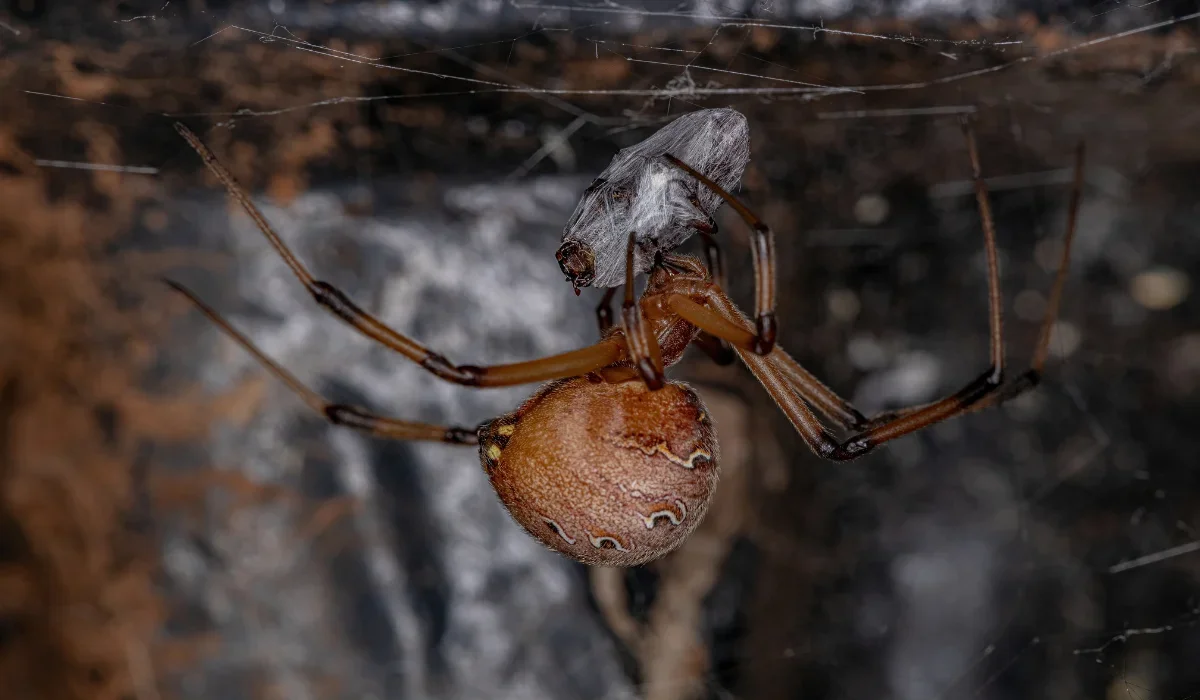 4. Brown Widow Spider
Closely related to the black widow, the brown widow spider has a lighter brown body with an orange hourglass shape on its underside.
Unlike its black cousin, the brown widow is more likely to hide in outdoor furniture, under eaves, and in mailboxes. Its venom is potent, but it injects less than a black widow, making bites less severe.
5. Brown Recluse Spider
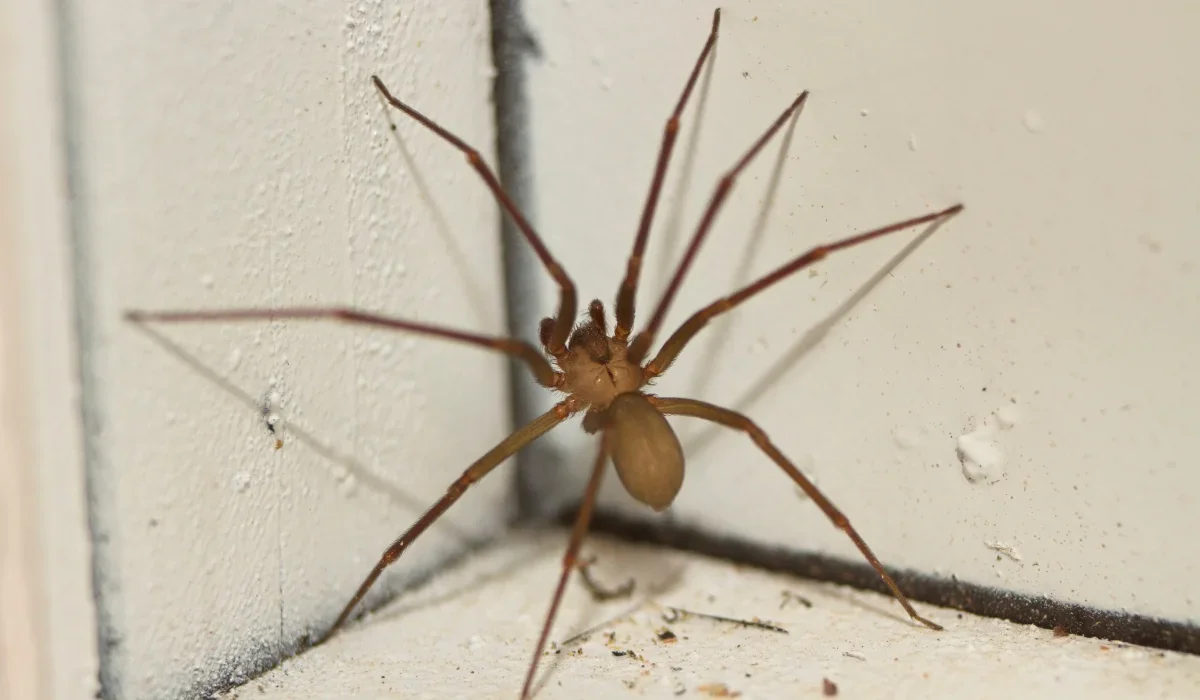 5. Brown Recluse Spider
The brown recluse spider is not as common in Florida as other house spiders, but it can occasionally be found in attics, basements, and storage areas. This spider is known for its violin-shaped mark on its back.
Brown recluse bites can cause serious skin reactions, including necrosis, so it’s important to seek medical attention if bitten.
6. Wolf Spider
 6. Wolf Spider
Wolf spiders are large, hairy spiders that do not build webs. Instead, they actively hunt their prey. Often found in garages, crawlspaces, and basements, these spiders may look intimidating but are not dangerous to humans.
Their bites can be painful but typically cause only mild irritation.
7. Jumping Spiders
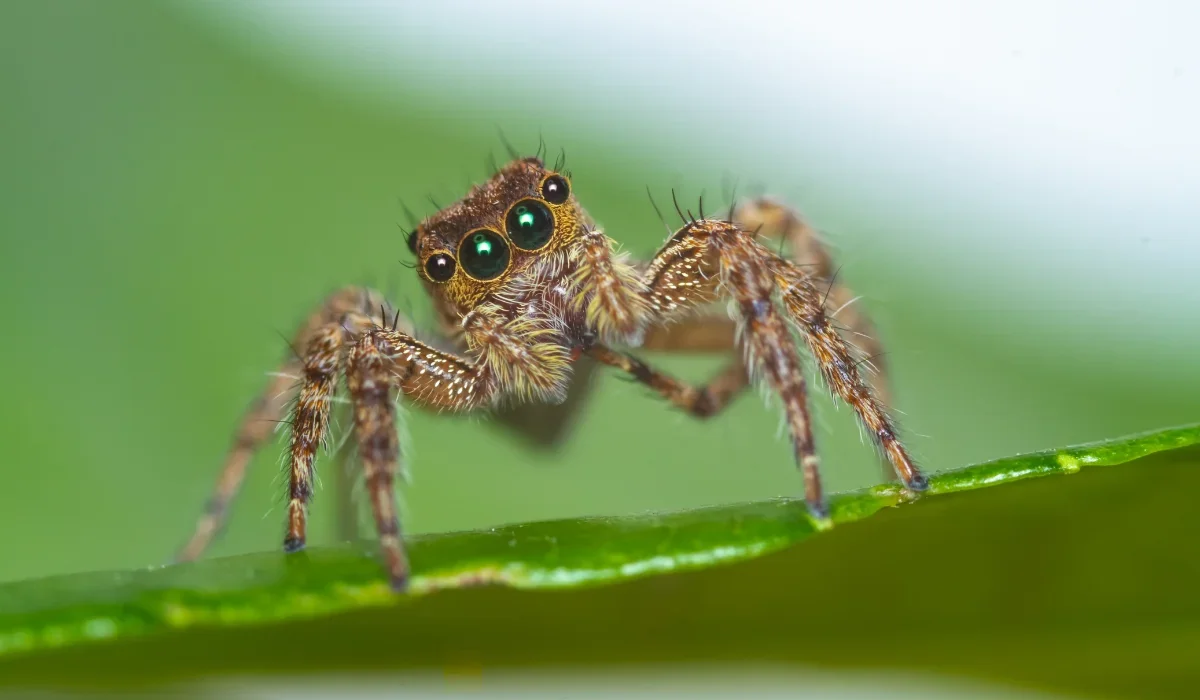 7. Jumping Spiders
Jumping spiders are small, fuzzy spiders known for their large front eyes and quick movements. They are often found on windowsills, walls, and ceilings, hunting for small insects.
These spiders are harmless to humans and can even help control pest populations in the home.
8. Sac Spider
 8. Sac Spider
Sac spiders are small, pale spiders that build silk sacs in corners of walls, ceilings, and closets. They are nocturnal hunters and do not rely on webs to catch prey.
While their bites can be irritating, they are not considered dangerous.
9. Cellar Spiders
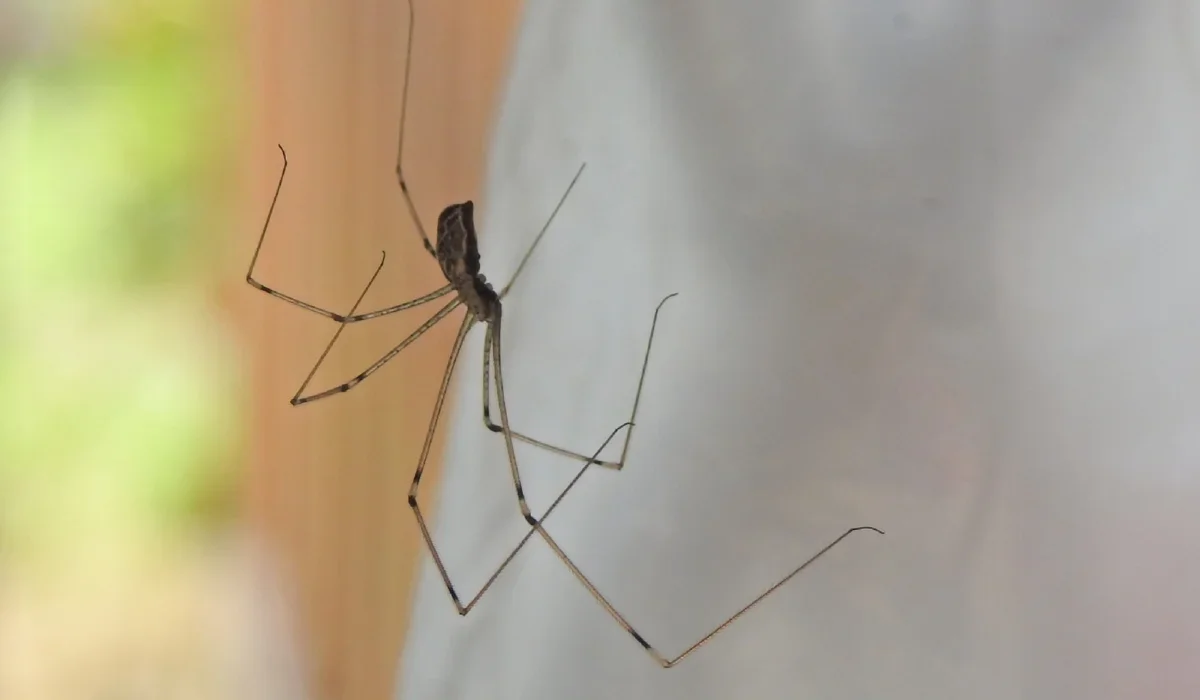 9. Cellar Spiders
Cellar spiders, commonly referred to as daddy long legs, are thin-legged spiders that build large, tangled webs in basements, attics, and garages. These spiders are harmless and are known for vibrating in their webs when disturbed.
10. Orb Weaver Spiders
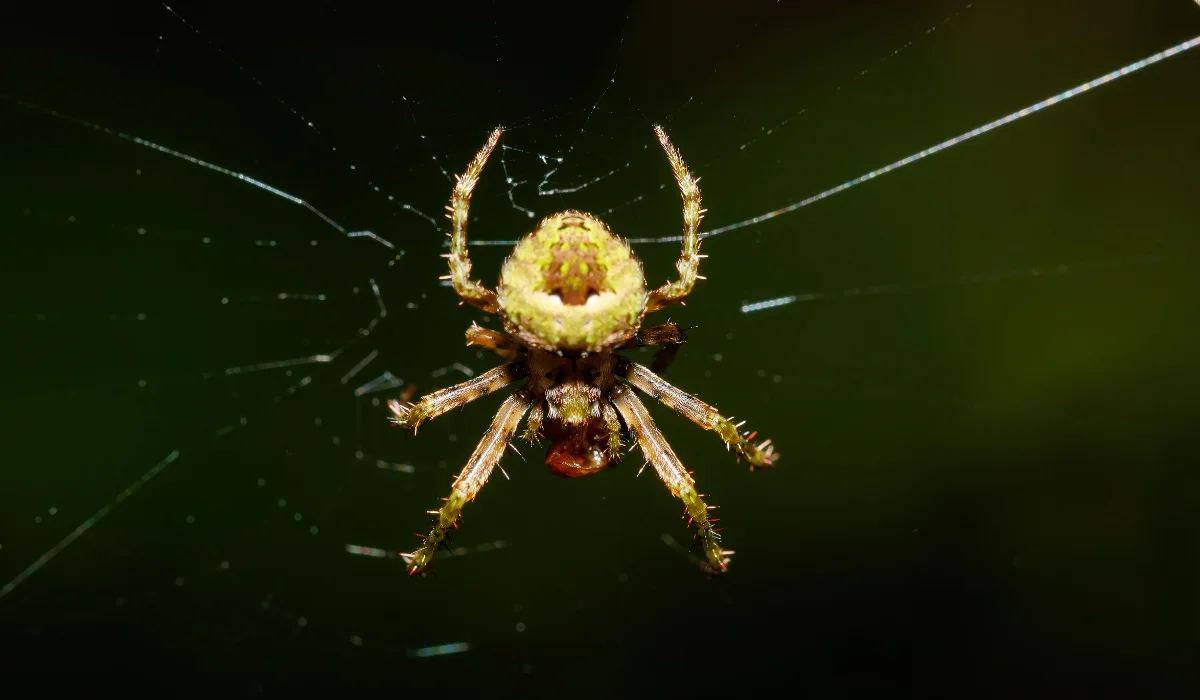 10. Orb Weaver Spiders
Orb weaver spiders are often seen outdoors, but they sometimes find their way into homes, particularly in crawlspaces or around windows. They build large, circular webs to trap flying insects.
Orb weavers are beneficial and completely harmless to humans.
11. Huntsman Spider
 11. Huntsman Spider
The huntsman spider is one of the largest spiders found in Florida homes.
With long legs and a flat body, it often hides behind furniture, in attics, and in garages. Despite their size, huntsman spiders are not aggressive and help control other pest populations.
How to Prevent a Florida Spider Infestation
Spiders enter homes in search of food sources, shelter, and accessibility. While most are harmless, keeping them out can prevent webs, surprise encounters, and potential spider bites.
As homeowners, here’s what you can do to keep these arachnids away:
- Seal crevices and gaps in walls, doors, and windows to limit entry points.
- Reduce clutter in closets, basements, attics, and garages to eliminate hiding spots.
- Remove cobwebs regularly to discourage spiders from settling.
- Address other pest infestations—spiders follow their prey, so managing insects like ants and termites can reduce spider populations.
- Use professional pest control services if you have a severe spider problem.
When to Call Professional Spider Control
If you’re dealing with spider infestations in your Florida home, consider professional pest management for a pest-free living space.
At Native Pest Management, we know how frustrating it can be to find any of these species of spiders in your home—whether they’re lurking in the corners, spinning webs in your garage, or hiding in your attic.
That’s why we offer:
- Thorough Home Inspection
- Customized Treatment Plans
- Web Removal & Prevention
- Ongoing Protection