Florida fire ants are a common problem in lawns, parks, gardens, driveways, and landscaped areas. They are especially frustrating because their mounds can appear quickly after rain, and the ants defend those nests aggressively when disturbed.
For homeowners, the issue is not just the mound you see above ground. Fire ant colonies extend below the soil, which is why kicking over a mound or spraying only the surface rarely solves the problem. If fire ants are making your yard unsafe or uncomfortable, Native Pest Management can help with professional ant control in Florida.
Key Takeaways
- Florida fire ants are most often noticed by their soil mounds and aggressive stinging behavior.
- Fire ant mounds may look smaller in sandy Florida soil than in heavier clay soils.
- Fire ants can bite, sting, and cause painful red bumps or pustules.
- Control works best when the colony is targeted, not just the visible mound.
- Professional treatment can help when mounds keep returning around lawns, patios, and play areas.
What Do Fire Ants Look Like?
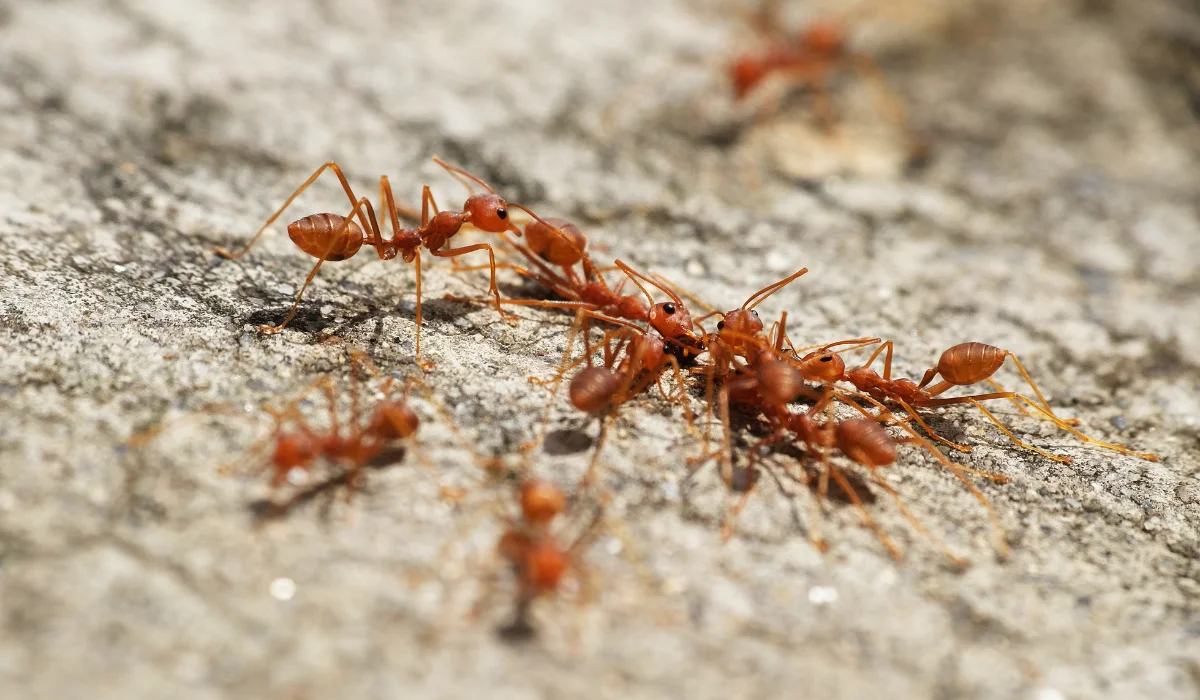
Fire ants are small reddish-brown to dark ants. Workers vary in size, so you may see both smaller and larger ants moving around the same mound. That size variation is one clue that you may be dealing with imported fire ants instead of another ant species.
Common fire ant signs include:
- Reddish-brown ants moving quickly when disturbed
- Soil mounds in lawns, garden beds, or open sunny areas
- No obvious central opening at the top of the mound
- Ants rushing out when the mound is touched
- Painful stings after stepping near or disturbing a nest
Mounds can vary in shape and size. In Florida’s sandy soils, they may not always look tall or well-formed. Some colonies may also nest under pavement, around tree roots, near building foundations, or beneath landscape materials.
Why Fire Ants Are So Common in Florida
Fire ants do well in Florida because the state gives them warmth, moisture, open lawns, irrigated landscapes, and plenty of nesting areas. They are often found in sunny spaces, but they can also nest near sidewalks, driveways, patios, and landscape beds.
Florida yards often create ideal fire ant conditions when they have:
- Irrigated lawns
- Loose or sandy soil
- Mulch and landscape borders
- Open sunny turf
- Pavers or pavement edges
- Tree stumps or root zones
- Outdoor food sources
- Areas disturbed by rain or lawn work
Fire ants may become more noticeable after rain because colonies rebuild mounds and move soil upward. A yard can look clear one week and show new mounds after a wet stretch.
Fire Ant Mounds in Florida Lawns
Fire ant mounds are the most obvious sign of activity, but they do not show the full colony. The visible mound is only part of the nest system. Workers, queens, brood, and tunnels can extend deeper into the soil.
A Florida fire ant guide explains that red imported fire ants often build visible dirt mounds, but sandy Florida soil can make those mounds less dramatic than the larger mounds seen in clay-heavy areas.
That matters because homeowners sometimes underestimate a mound that looks small or flat. Even a low mound can contain many ants ready to defend the colony.
What Fire Ant Stings Look and Feel Like
Fire ants can bite and sting. The bite helps them grip the skin, and the sting injects venom. That is why people often feel a sharp burning sensation after stepping into or disturbing a mound.
The CDC’s outdoor worker guidance describes fire ant stings as causing a burning sensation, followed by red bumps that can become white fluid-filled pustules within a day or two.
Common sting reactions may include:
- Burning or sharp pain
- Redness
- Itching
- Swelling
- Small white pustules
- Multiple sting marks in one area
Do not scratch or pop pustules. That can increase the chance of irritation or infection. If someone has trouble breathing, facial swelling, dizziness, widespread hives, or other severe symptoms after fire ant stings, seek emergency medical care.
Are Fire Ants Dangerous?
Fire ants are not just annoying. They can make outdoor areas difficult to use, especially for children, pets, older adults, and anyone with a known allergy to insect stings.
The main concerns are:
- Painful stings
- Multiple stings when a mound is disturbed
- Allergic reactions in sensitive people
- Mounds in lawns, playgrounds, and high-traffic areas
- Ant activity near patios, pools, and outdoor seating
- Colonies that return after surface-level treatment
One mound may be manageable. Repeated mounds across a yard can turn into a bigger problem, especially if they are near places where people walk, sit, garden, or play.
Where Fire Ants Build Nests
Fire ants often choose open, sunny areas, but they can adapt to many parts of a property. You may find them in lawns, along sidewalks, near irrigation lines, or around landscape edges.
Check these areas carefully:
- Lawns and turf
- Garden beds
- Around tree bases
- Near patios and driveways
- Along sidewalks
- Around pool decks
- Under pavers or landscape stones
- Near utility boxes
- Around playground equipment
- Near fence lines
Use caution when inspecting. Do not kick or step on the mound to test it. Fire ants respond quickly when disturbed.
Why Fire Ants Keep Coming Back
Fire ants keep returning when the colony is not fully controlled or when nearby colonies move into the area. Surface sprays may kill some visible workers, but they may not reach the queen or the deeper colony.
Common reasons fire ants return include:
- Treating only the top of the mound
- Missing nearby colonies
- Heavy rain moving ants to new areas
- Irrigation keeping soil attractive
- Mounds hidden under grass or landscaping
- New colonies spreading from surrounding properties
Fire ant control usually needs a more complete approach. That may include baiting, mound treatment, monitoring, and reducing conditions that make the yard attractive.
Fire Ant Control Tips for Florida Homes
Fire ant prevention and control work best when you focus on the colony and the property conditions around it.
Start with these steps:
- Watch for new mounds after rain.
- Avoid disturbing mounds with your feet, tools, or lawn equipment.
- Keep children and pets away from active mounds.
- Remove food debris from patios and outdoor eating areas.
- Keep trash bins sealed.
- Reduce clutter near lawns, patios, and garden beds.
- Inspect edges around sidewalks, driveways, and pavers.
- Avoid using random DIY mixtures that can spread the colony or damage the lawn.
Over-the-counter products may help with small problems when used exactly as labeled. For large yards, repeated mounds, or colonies near high-use areas, professional fire ant control is often the safer and more effective option.
Why DIY Fire Ant Control Often Falls Short
Fire ants are difficult to control because the visible mound is not the whole colony. If the treatment does not reach the queen or enough workers, the colony may recover or relocate.
DIY treatment can also fail when:
- The product is applied at the wrong time
- The mound is disturbed before bait can work
- Rain washes away the treatment
- Nearby colonies are not treated
- Only visible mounds are addressed
- The wrong product is used for the ant species
Fire ant control is not just about knocking down a mound. It is about reducing active colonies and preventing new ones from taking over the yard.
How Native Pest Management Handles Fire Ants
At Native Pest Management, we identify where fire ants are active and choose treatment based on the level of activity around your property. Our team looks at lawns, landscape beds, pavement edges, patios, and high-traffic areas where stings are most likely to happen.
Our ant control service may include targeted mound treatments, baiting, exterior applications, and recommendations to help reduce future activity. We use pet and family friendly treatments and focus on long-term control instead of temporary surface fixes.
Because fire ants can return after rain or move in from nearby areas, ongoing prevention may be the best option for properties with recurring mound activity.
Get Help With Fire Ants in Florida
If fire ants are building mounds in your lawn, near your patio, or around areas where your family spends time, Native Pest Management can help identify the activity and recommend the right treatment plan. Request a quote for fire ant control in Florida.
Frequently Asked Questions
Are fire ants common in Florida?
Yes. Fire ants are common in Florida lawns, parks, gardens, and landscaped areas. They thrive in warm conditions and often become more visible after rain.
How do I know if I have fire ants?
Look for soil mounds in open sunny areas and reddish-brown ants that rush out when the mound is disturbed. Fire ants are also known for painful stings when people or pets step near a nest.
Why do fire ant mounds appear after rain?
Rain can change soil moisture and encourage fire ants to rebuild or move soil upward. That is why mounds may seem to appear suddenly after wet weather.
What should I do after a fire ant sting?
Clean the area, avoid scratching or popping pustules, and monitor the reaction. Seek medical help right away if there are signs of a serious allergic reaction, such as trouble breathing, swelling of the face or throat, dizziness, or widespread hives.
Can pest control get rid of fire ants permanently?
Fire ant control can reduce active colonies and help protect your yard, but new colonies may move in over time. In Florida, recurring prevention is often the best option for properties with ongoing fire ant pressure.