
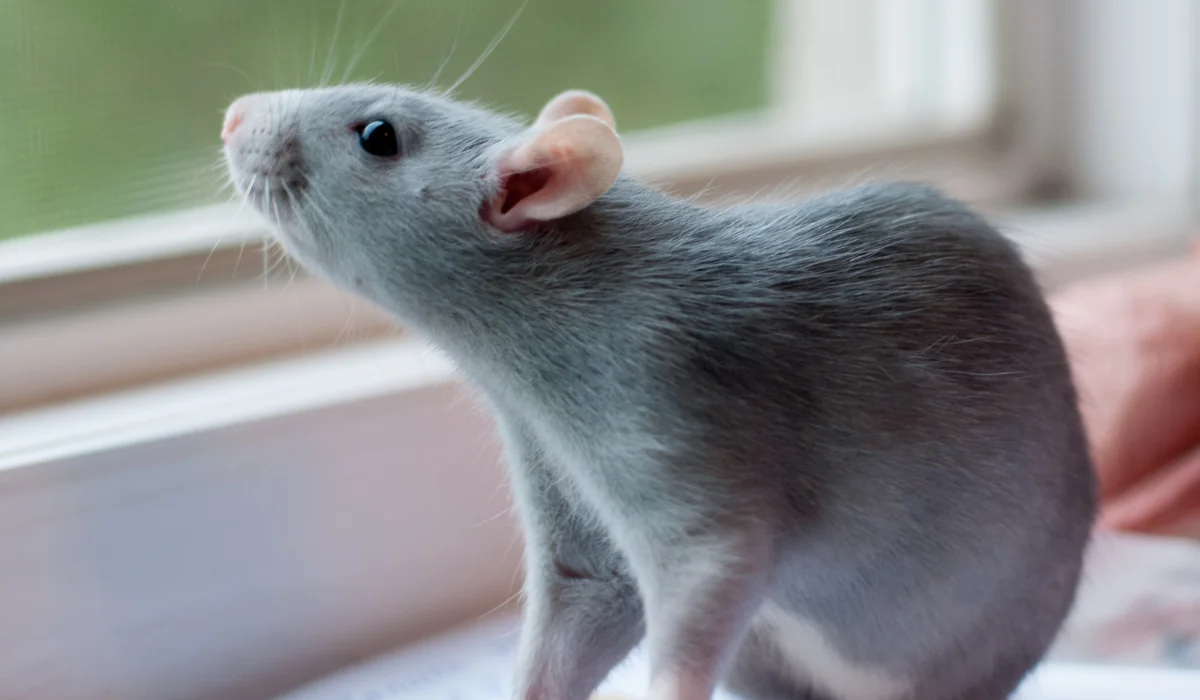
When it comes to differentiating between mice and rats, size is the most noticeable factor. Not only do their sizes differ, but their behavioral patterns and habitats vary significantly.
Are you wondering which one might be lurking in your walls or basements based on these habits? Keep reading to explore the unique characteristics and behaviors that can help you tell them apart.
Key Takeaways
- Rats and mice differ significantly in physical characteristics, behavioral patterns, nesting habits, health risks, and signs of infestations.
- Effective Rodent Control may involve sealing entry points, maintaining cleanliness, and using baits and traps strategically to manage infestations.
- Professional pest control services provide comprehensive solutions, including inspections, customized treatments, and prevention advice.
Mice vs. Rats: Key Differences
Pest assessment
Native Field Report
Two rodents, very different risks — here is how to tell them apart.
1. Rat
Structural riskWhat it is
7–9 in., stocky body, thick long tail
Where it turns up
Attics, walls, underground burrows
The Native read
Gnaws wires and wood; carries serious disease.
2. House Mouse
Disease carrierWhat it is
3–4 in., slender, pointed snout, large ears
Where it turns up
Hidden spots near food sources
The Native read
Smaller footprint, still a health concern.
Less product. Solved sooner.

At a glance, rats may look like mice, but they have distinct differences that affect identification, behavior, and the type of infestation they cause.
Physical Characteristics
Understanding the physical characteristics of mice and rats can significantly assist in identifying these common rodents. Here are fundamental differences in their body features:
Features | Mice | Rats |
Body Length | 3-4 inches | 7-9 inches |
Body Shape | Small, slender bodies | Stocky and robust bodies |
Tail | Thin tail, equal to body length | Thicker, long tail, exceeding body |
Head | Smaller head | Larger head |
Ears | Larger ears | Smaller ears |
Snout | Pointed and narrow | Wider and less pointed |
Whiskers | Visible and long whiskers | Less prominent |
Behavior Patterns
Examining their unique traits and survival strategies is essential to understand the distinct behaviors that differentiate mice and rats. Here are their behavioral differences:
Behavior | Mice | Rats |
Movement | Scurrying, fast | Climbing (roof rats), Burrowing (Norway rats) |
Preferred Habitat | Near food sources | Higher places (roof rats), lower places (Norway rats) |
Activity Level | Highly active, curious | Less curious, cautious |
Nesting Habits
Exploring the nesting habits of mice and rats reveals their strategic choices for materials and locations. Consider these differences in their nesting habits:
Nesting Habit | Mice | Rats |
Nesting Materials | Shredded paper, fabric, insulation | Vegetation and leaves (roof rats), Soil and twigs (Norway rats) |
Nest Location | Hidden, near food | High places (roof rats), Underground (Norway rats) |
Health Risks
Both mice and rats can carry diseases like leptospirosis and tularemia. However, certain risks are more prominent with each. Here’s a closer look at what you must know:
Health Risks | Mice | Rats |
Diseases | Hantavirus, Lymphocytic Choriomeningitis Virus | Plague, Rat-bite fever, Salmonellosis |
Contamination | Mouse droppings, urine, fur | Rat droppings, urine, fur |
Signs of Rodent Infestation
Detecting a house mouse with floppy ears or a wiggling rat tail can save you considerable trouble and expense. Here’s how you can tell your home has a rodent infestation:
Signs of Infestation | Mice | Rats |
Rodent Droppings | Small, rice-sized feces | Larger, pellet-sized feces |
Gnaw Marks | Food packaging | Wood, electrical wires |
Noise | Typically minimal | More likely at night, through walls/attics |
How to Keep Rodents Out
Whether they’re agile climbers or excellent burrowers, you can effectively maintain a rodent-free home with a strategic combination of preventive measures.
To keep rodents out of your home, follow these steps:
Eliminate Food Sources: Reduce their lifespans by storing food in airtight containers and keeping garbage in tightly sealed bins.
Fix Leaks: Repair any plumbing leaks and keep areas dry. Rats and mice are attracted to moisture.
Trim Vegetation: Keep shrubs and tree branches away from your home’s exterior.
Inspect Regularly: Check your home periodically for signs of rodent activity. Look for droppings, gnaw marks, and nesting materials.
Declutter: Reduce clutter in storage areas; it provides nesting sites for rodents. Keep cardboard boxes off the floor.
Is It Time to Call the Experts?
Rodent problems can quickly become overwhelming. So, figuring out when to call the experts is critical.
If DIY methods fail and they’re causing structural damage, the best move is to consider a professional pest control company (like us at Native Pest Management).
It’s easy to get started. We offer a free quote, which helps you understand the cost. Scheduling our services is hassle-free and can quickly lead to a pest-free home.