How to Identify Carpet Beetle Larvae in Melbourne Homes
Finding small, fuzzy larvae near a rug, closet, baseboard, or window can raise an immediate question: are carpet beetles damaging your belongings?
Carpet beetle larvae are easy to overlook because they hide in quiet areas and feed on materials that may sit undisturbed for long periods. The adult beetles are easier to notice near windows or light sources, but the larvae cause the damage. They may feed on wool, silk, leather, fur, feathers, pet hair, natural-bristle brushes, dead insects, and other animal-derived materials.
For Melbourne homeowners, the most useful first step is a careful inspection. This guide explains what carpet beetle larvae look like, where to check for activity, how to distinguish them from clothes moth larvae, and when recurring signs may justify professional pest-control support.
Key Takeaways: Identifying Carpet Beetle Larvae
- Carpet beetle larvae cause the damage. Adult beetles do not feed on clothing, rugs, or upholstery.
- Larvae are often brown or tan and covered with short hairs or bristles. Some species have visible hair tufts near the rear of the body.
- Brown, shell-like cast skins near damaged fabrics are one of the most useful clues.
- Carpet beetle larvae do not produce silk webbing. Webbing points more strongly toward clothes moth larvae.
- Inspect closets, baseboards, rug edges, upholstered furniture, pet bedding, vents, storage bins, and areas where lint or dead insects collect.
- A few adult beetles near a window do not automatically confirm an indoor fabric infestation.
- Vacuuming, laundering or dry-cleaning vulnerable items, and removing infested materials can help reduce activity.
- Use mothballs only as directed on the label inside airtight containers. Do not scatter them loosely in closets or living spaces.
- Request a professional inspection when larvae, cast skins, or new fabric damage continue after cleaning.
What Do Carpet Beetle Larvae Look Like?
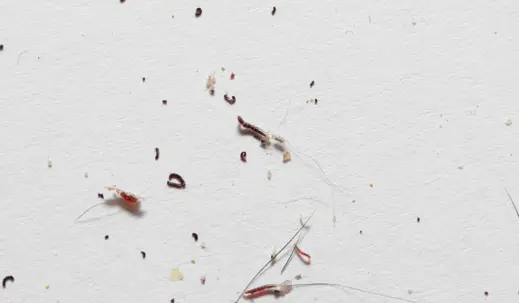
Carpet beetle larvae are small, slow-moving insects with bristly bodies. Their exact appearance varies by species, but they usually look brown, tan, or mottled and may resemble tiny fuzzy caterpillars.
The UC IPM guide to carpet beetles explains that larvae are covered with short, stiff hairs and often taper toward the rear. Black carpet beetle larvae may end in a tuft of longer hairs.
Brown or tan coloring
Larvae can range from light brown to dark brown or nearly black. Their coloring may blend into carpet fibers, wood flooring, lint, or dusty corners.
Use a flashlight when inspecting baseboards, closet floors, and the underside of rugs. A larva can be easy to miss when it remains still.
Bristly or fuzzy appearance
The visible hairs are one of the most useful identification clues. Depending on the species, the larva may look fuzzy, banded, or covered with short bristles.
Do not handle larvae with bare hands. Some people may develop irritation after contact with larval hairs, cast skins, or debris.
Hair tufts near the rear
Some larvae have longer bristles or tufts near the end of the body. The UF/IFAS profile of black carpet beetles describes older black carpet beetle larvae as having long, bristle-like tails.
Exact species identification can be difficult without a close look. For most homeowners, the more practical goal is to confirm carpet beetle activity and locate the materials supporting it.
Slow movement near hidden areas
Carpet beetle larvae tend to remain close to food sources and protected spaces. You may notice them moving slowly along a baseboard, beneath furniture, inside a closet, or near the edge of a rug.
Which Signs Suggest Carpet Beetle Larvae?
A larva is not always visible when damage first appears. Look for a combination of signs rather than relying on one clue.
Brown, shell-like cast skins
As larvae grow, they molt and leave shed skins behind. These cast skins may look brown, dry, bristly, and shell-like.
UC IPM notes that cast skins and the lack of webbing are useful clues when distinguishing carpet beetles from clothes moths. Check beneath damaged items, along baseboards, and inside storage areas.
Irregular fabric damage
Carpet beetle larvae may create irregular worn areas or holes in vulnerable fabrics. They can affect wool rugs, blankets, clothing, upholstered furniture, felt, fur, feathers, and other animal-derived materials.
Damage alone does not confirm the pest. Clothes moth larvae can affect similar materials, so inspect the surrounding evidence.
Lint, pet hair, and insect debris
Larvae may feed on pet hair, lint, dead insects, and other debris. A closet or baseboard area does not need to contain a valuable wool garment to support activity.
Pay attention to the spaces beneath furniture, near air vents, behind shelving, and along carpet edges where debris collects.
Adult beetles near windows
Adult carpet beetles may move toward sunlight and appear on windowsills or near doors. A few adults indoors do not automatically mean larvae are damaging fabrics.
UC IPM notes that carpet beetles frequently fly indoors from outdoor flowers and that a few adults inside should not be cause for alarm. Management becomes more important when you find larvae developing in fabrics or other areas of the home.
Carpet Beetle Larvae vs. Clothes Moth Larvae
Carpet beetles and clothes moths can damage similar materials, but the evidence they leave behind differs.
Carpet beetle larvae leave cast skins
Carpet beetle larvae often leave brown, bristly shed skins near damaged items. The larvae themselves also look fuzzy or hairy.
Clothes moth larvae leave silk webbing
Clothes moth larvae may leave silk threads, webbing patches, feeding tubes, or portable cases attached to fabric.
If you see webbing on wool clothing, a rug, or a stored blanket, clothes moth activity becomes more likely. Carpet beetle larvae do not spin silk webs.
Damage patterns can overlap
UC IPM explains that carpet beetles are more likely to damage a larger area on one part of a garment or carpet, while moth damage often appears as scattered holes. However, this difference is not absolute.
Use the surrounding evidence, especially webbing, bristly cast skins, and visible larvae, rather than relying on damage patterns alone.
Common Carpet Beetle Types Found in Homes
Several carpet beetle species may appear indoors. Their larvae can look similar, and the exact species may require close examination.
Black carpet beetles
Black carpet beetle larvae are narrow, elongated, and covered with short hairs. Older larvae may have longer bristles near the rear.
UF/IFAS notes that the larval stage causes damage and that cast skins may be visible on infested fabrics.
Furniture carpet beetles
Furniture carpet beetle larvae are oval and covered with brown hair. The UF/IFAS furniture carpet beetle profile explains that larvae can damage upholstered furniture by feeding on padding and coverings, as well as other animal-derived materials.
Common and varied carpet beetles
Common and varied carpet beetle larvae may also appear in homes and feed on similar materials. Their appearance can overlap with other carpet beetle species.
For a homeowner, the most important question is not always which species is present. The priority is locating the source, protecting vulnerable belongings, and preventing larvae from continuing to feed.
Where to Look for Carpet Beetle Larvae in a Melbourne Home
Carpet beetle larvae prefer quiet, dark, undisturbed spaces. A quick glance at the center of a room may miss the areas where activity is concentrated.
Closet floors and shelves
Inspect the floor, shelf corners, baseboards, and the spaces behind storage bins. Check wool sweaters, scarves, blankets, coats, and rarely used garments.
Rug edges and carpet borders
Look along the perimeter of rugs and carpeting, especially beneath furniture and in corners that receive less vacuuming.
Lift the edge of a rug carefully and check for larvae, cast skins, lint, and damage.
Upholstered furniture
Inspect seams, crevices, fabric folds, and protected areas beneath cushions. Furniture carpet beetle larvae may feed on padding, hair, upholstery, and other suitable materials.
Pet bedding and lint-filled areas
Pet hair and lint can support carpet beetle activity. Check pet bedding, laundry areas, vents, baseboards, and the spaces beneath appliances or furniture.
Storage containers and boxes
Inspect seasonal clothing, blankets, craft supplies, and other stored materials. Check both the contents and the surrounding shelf or floor.
Windowsills and door frames
Adult beetles near windows can help you identify where they are entering or gathering. However, inspect nearby fabrics before assuming larvae are active.
Areas where dead insects collect
Carpet beetle larvae may feed on dead insects. Check light fixtures, window tracks, attic access areas, and corners where insect debris accumulates.
Which Materials Can Carpet Beetle Larvae Damage?
Carpet beetle larvae feed on a wide range of animal-derived materials and household debris.
Wool, silk, leather, and fur
UC IPM lists wool, silk, leather, fur, hair brushes with natural bristles, pet hair, and feathers among the materials carpet beetle larvae may feed on.
Feathers and natural-bristle items
Inspect feather-filled pillows, decorative items, natural-bristle brushes, and stored accessories when larvae keep appearing.
Upholstery and felt
Furniture padding, carpet backing, felt, and similar materials can become food sources. A problem may continue even when clothing appears unaffected.
Some stored products
Some carpet beetle species may also affect stored goods, including certain spices and grains. Inspect pantry items when larvae appear near food storage rather than a closet or rug.
Synthetic fabrics usually are not the primary target
Synthetic fibers generally do not provide the same food source. However, a blended fabric may still be vulnerable when it contains wool or another animal-derived material.
Stains, lint, pet hair, and debris can also make a storage area more attractive to fabric pests.
Do Carpet Beetle Larvae Cause Skin Irritation?
Carpet beetle larvae do not bite people. However, their hairs, shed skins, and debris may irritate some people.
UF/IFAS notes that individuals in close contact with infested materials may experience allergic reactions after exposure to beetle fragments, cast skins, or dust. The reaction may be confused with an insect bite even though the larvae are not feeding on skin.
Avoid handling larvae with bare hands
Wear suitable gloves when cleaning an affected area or sorting through suspect materials.
Clean debris carefully
Vacuum cast skins, hairs, and debris from accessible surfaces. Empty the vacuum contents promptly afterward.
Seek medical advice for persistent symptoms
If you develop a persistent rash or other concerning symptoms, contact a healthcare professional. Pest identification can help clarify whether insect debris may be contributing to the irritation.
How to Inspect Your Home for Carpet Beetle Larvae
A structured inspection helps you identify the source instead of reacting only to the first larva you notice.
Step 1: Start where you found the larva
Check the nearby baseboards, shelves, rug edges, furniture, and storage containers. Look for cast skins, damage, lint, and pet hair.
Step 2: Inspect vulnerable fabrics
Review wool, silk, leather, fur, feathers, felt, and natural-bristle items. Check seams, folds, cuffs, undersides, and hidden surfaces.
Step 3: Look beyond the closet
Inspect nearby rugs, upholstery, pet bedding, vents, window tracks, and areas where dead insects collect.
Step 4: Vacuum carefully
Vacuum closet floors, shelves, baseboards, carpet edges, rug undersides, and furniture crevices. Remove lint, pet hair, dead insects, larvae, and cast skins.
Step 5: Clean or isolate affected items
Launder washable fabrics according to the care label. Take delicate garments to a professional dry cleaner when appropriate.
Place cleaned, pest-free items in airtight containers. Keep damaged or suspect materials separate until you decide whether they can be cleaned, treated, or discarded.
Step 6: Monitor for new activity
Continue inspecting the area after cleaning. Sticky traps may help monitor serious indoor activity when used as directed and placed away from children, pets, and vulnerable belongings.
How to Reduce Carpet Beetle Activity
Vacuum hidden areas regularly
Vacuuming is one of the most useful prevention steps. Focus on carpet edges, baseboards, closets, furniture crevices, vents, and the spaces beneath heavy furniture.
UF/IFAS emphasizes sanitation and vacuuming to remove pet hair, human hair, loose fibers, eggs, larvae, and adult beetles.
Clean clothing before storage
Wash or dry-clean vulnerable clothing before storing it for long periods. Place clean, dry items in sturdy containers with tight-fitting lids.
Reduce lint and pet hair
Clean pet bedding, laundry areas, vents, and corners where fibers collect. Removing debris can reduce the food available to larvae.
Inspect secondhand items
Check used rugs, furniture, clothing, and decorative textiles before bringing them into your home. Look along seams, folds, undersides, and hidden crevices.
Repair screens and gaps
Adult beetles may fly indoors through open windows or doors. Repair damaged screens and check whether windows and exterior doors close securely.
Remove infested items when necessary
Discard severely damaged items when cleaning or salvage is not practical. Seal infested materials before carrying them through the home.
Can You Use Mothballs for Carpet Beetles?
Mothballs are pesticides, not general closet fresheners or open-air repellents. They should not be scattered loosely inside closets, drawers, attics, or living areas.
The National Pesticide Information Center guidance on mothballs explains that mothballs should be used only as directed on the label inside tightly closed containers. The fumes should not accumulate in spaces where people or pets can breathe them.
Use only as directed on the label
Do not improvise a mothball treatment or use the product in an open closet.
Do not rely on mothballs as the only step
Cleaning, source removal, inspection, and secure storage remain important. A product inside one storage container will not address larvae feeding beneath a rug or inside furniture.
What Not to Do When Carpet Beetle Larvae Appear
Do not assume every fuzzy larva is a carpet beetle
Several small household pests can look similar. Use cast skins, feeding materials, webbing, and location as clues. Request professional identification when the source remains unclear.
Do not spray clothing or bedding
UC IPM advises against spraying clothing or bedding with insecticides. Focus on cleaning, removing sources, and treating appropriate cracks or crevices only when a product label allows it.
Do not ignore nearby rooms
Larvae can feed in hidden areas beyond the first closet or rug. Extend the inspection to adjacent storage areas, upholstered furniture, vents, and pet bedding.
Do not assume adult beetles confirm fabric damage
A few adults near a window may have entered from outside. Look for larvae, cast skins, and damage before treating the home.
Do not store uncleaned fabrics in sealed bins
A container protects clean, pest-free items. It does not solve an infestation already hidden in the fabric.
When to Request Professional Pest-Control Support
A small, isolated issue may improve after thorough cleaning, source removal, and secure storage. Professional support becomes more useful when the activity continues or the source remains difficult to find.
Consider requesting an inspection when:
- You continue finding larvae or cast skins after cleaning.
- New fabric damage appears in several areas.
- Larvae appear near rugs, closets, furniture, vents, or pet bedding.
- You cannot distinguish carpet beetles from clothes moths or another pest.
- High-value clothing, rugs, furniture, or stored textiles may be affected.
- Skin irritation continues alongside signs of carpet beetle activity.
- The source may be hidden inside furniture, wall voids, or inaccessible storage areas.
Native Pest Management provides residential pest-control services in Melbourne. A professional inspection can help identify the pest, locate overlooked feeding sources, and recommend the appropriate next step for your home.
What a professional inspection should cover
A professional inspection should examine the areas where larvae or damage appeared, including closets, rugs, baseboards, upholstered furniture, storage containers, vents, pet areas, window tracks, and nearby rooms.
The goal is to identify the food source and determine whether the activity is limited to one item or spread across several areas.
What a carpet-beetle control plan may include
The right plan depends on the scope of the infestation and the materials involved. Recommendations may include vacuuming, laundering, dry cleaning, source removal, secure storage, exclusion work, monitoring, and targeted treatment in appropriate areas.
Follow-up matters when larvae have dispersed or when hidden food sources remain difficult to remove.
Bottom Line: Look for Bristly Larvae and Cast Skins
Carpet beetle larvae are small, brown, and bristly. The most useful clues include fuzzy larvae, brown cast skins, irregular damage to animal-derived materials, and the absence of silk webbing.
Start with a thorough inspection. Check closets, baseboards, rugs, furniture, pet bedding, vents, and storage areas. Vacuum carefully, clean vulnerable items, and place pest-free fabrics into airtight containers.
If larvae, cast skins, or new damage continue appearing, request a free quote from Native Pest Management to discuss carpet beetle activity in your Melbourne home.
Frequently Asked Questions
What do carpet beetle larvae look like?
Carpet beetle larvae are small, brown or tan, and covered with short hairs or bristles. Some species have visible tufts near the rear of the body.
How can I tell carpet beetle larvae from clothes moth larvae?
Carpet beetle larvae are bristly and often leave brown cast skins. Clothes moth larvae may leave silk webbing, feeding tubes, or portable cases. Carpet beetle larvae do not spin silk webs.
Where do carpet beetle larvae hide?
Check closets, baseboards, rug edges, upholstered furniture, pet bedding, vents, storage bins, and areas where lint or dead insects collect.
Do adult carpet beetles damage clothing?
No. The larvae cause the damage. A few adult beetles near a window do not automatically confirm an active fabric infestation.
Can carpet beetle larvae damage more than carpets?
Yes. Larvae may feed on wool, silk, leather, fur, feathers, upholstery, natural-bristle brushes, pet hair, and some stored products.
Can carpet beetle larvae cause a rash?
The larvae do not bite, but hairs, shed skins, and debris may irritate some people. Contact a healthcare professional if symptoms persist or become concerning.
Should I use mothballs in my closet?
Do not scatter mothballs loosely in a closet or living area. Use them only as directed on the label inside airtight containers.
When should I call a pest-control professional?
Request an inspection when larvae, cast skins, or new damage continue after cleaning; several areas are affected; or the source remains difficult to identify.